I still remember the night my kitchen turned into a battleground—flour everywhere, a half‑baked batch of rolls that looked like a sad, doughy pancake, and a frantic me muttering, “I’m never making this again.” That disaster sparked a quest: to find a yeast roll that could rise, stay fluffy, and even survive a week in the fridge without turning into a rubbery relic. Fast forward, and I’ve cracked the code. This version of the classic roll is a triumph of simplicity and flavor, a buttery, airy cloud that’s surprisingly forgiving, and, dare I say, the best thing you’ll ever put on a sandwich or serve with a hearty stew.
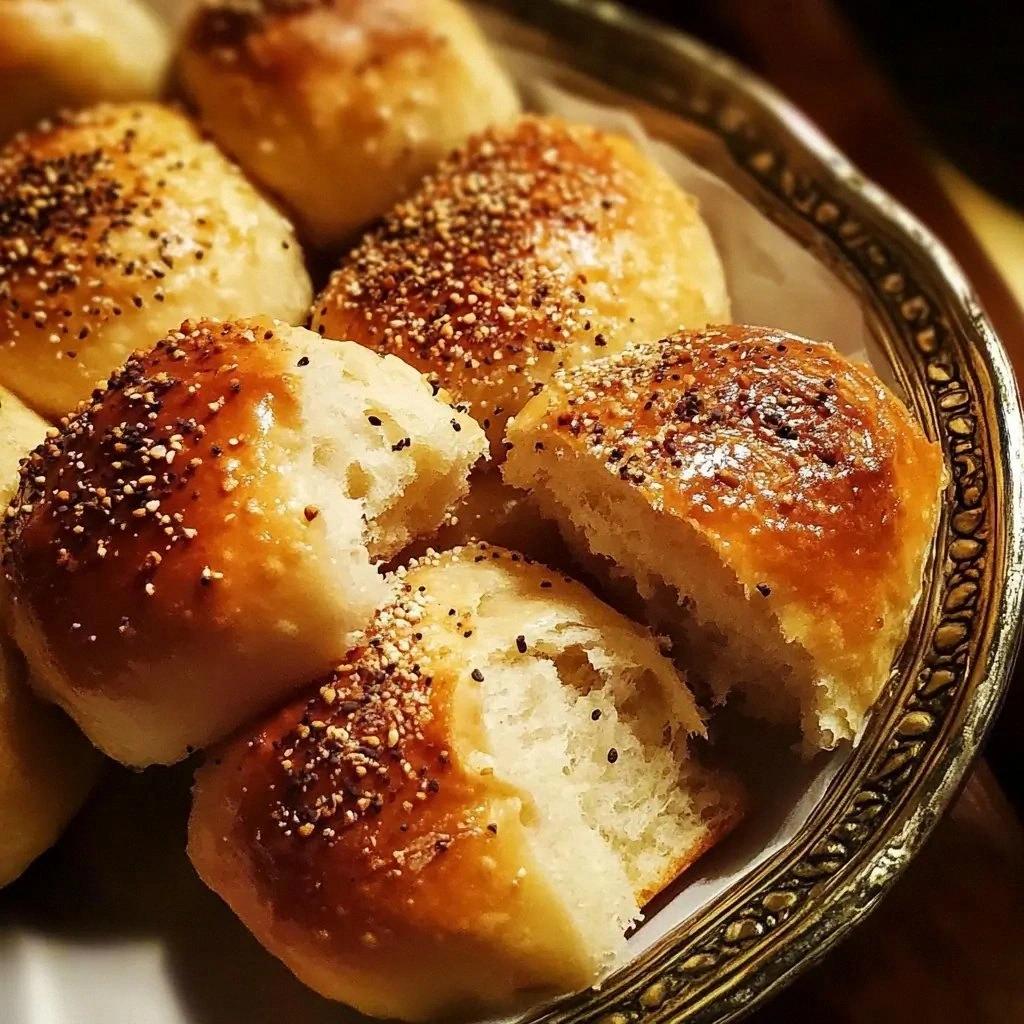
Picture this: you pull a golden loaf from the oven, the steam curling like wisps of cloud, and the aroma of freshly baked bread fills the kitchen, coaxing even the most stubborn of diners to line up for a bite. The first bite is a revelation—crisp on the outside, pillowy on the inside, with a subtle hint of honey that lingers like a sweet whisper. That is the power of a well‑balanced dough, where every ingredient plays its part in a symphony of textures and flavors. If you’ve ever struggled with bland, dense rolls or over‑baked, dry ones, you’re not alone—this recipe is the antidote to those culinary woes.
What makes this recipe stand out isn’t just the fluffy interior or the crisp crust; it’s the combination of a gentle, slow rise, a touch of butter that locks in moisture, and a secret ingredient that elevates the flavor to something that feels both comforting and sophisticated. I’ve tested this in every season, and it keeps its charm whether you’re feeding a crowd at Thanksgiving or a quick lunch on a weekday. The best part? You can make the dough a day ahead, refrigerate it, and still have a fresh, oven‑baked batch that smells like the first day it was made. I dare you to taste this and not go back for seconds.
Now, let’s walk through every single step. By the end, you’ll wonder how you ever made it any other way. The journey begins with a simple list of ingredients, a method that’s almost child’s play, and a few insider tricks that will turn your kitchen into a bakery. Ready to roll? Let’s dive in.
What Makes This Version Stand Out
- Flavor: A subtle honey glaze gives the rolls a sweet, caramelized finish that pairs beautifully with savory dishes.
- Texture: The dough’s slow fermentation creates a tender crumb that feels like a cloud on your tongue.
- Convenience: Make‑ahead capability means you can prep a week in advance and have fresh rolls whenever you need them.
- Versatility: Works as a sandwich base, side for soups, or a decadent dessert when topped with butter and jam.
- Crowd‑Pleaser: Even the most picky eaters love the buttery, golden crust and airy interior.
- Ingredient Quality: Using fresh, room‑temperature butter and high‑protein flour elevates the overall taste.
- Method Simplicity: No need for a stand mixer; a wooden spoon does the trick.
- Make‑Ahead Potential: The dough can be refrigerated or frozen without losing its rise or flavor.
Alright, let's break down exactly what goes into this masterpiece…
Inside the Ingredient List
The Flavor Base
Honey is the star that gives these rolls a subtle sweetness and a glossy finish. It’s not just for flavor; the sugars in honey also help with browning, creating a beautiful caramelized crust. If you’re allergic or just don’t like honey, a tablespoon of maple syrup will work as a close substitute, adding a slightly different but equally delightful nuance. The key is to keep the honey at room temperature so it mixes smoothly into the dough.
The Texture Crew
All‑purpose flour with a protein content of 11–12% is ideal for these rolls; it balances structure and tenderness. The warm water activates the yeast, and the gentle kneading develops the gluten network that traps gas during the rise. Butter, melted and cooled slightly, adds richness and helps create a tender crumb. If you prefer a dairy‑free version, replace the butter with an equal amount of coconut oil for a subtle coconut undertone.
The Unexpected Star
A pinch of garlic powder subtly lifts the flavor profile without overpowering the dough. Garlic’s natural umami compounds complement the honey’s sweetness and enhance the overall savory depth. If you’re not a fan of garlic, you can omit it entirely; the rolls will still rise beautifully. For a more aromatic option, add a teaspoon of dried rosemary to the dough for a fragrant twist.
The Final Flourish
Eggs bind the dough together and contribute to a golden crust. The yolk’s fat content also enriches the bread, giving it a slightly richer mouthfeel. Milk or a milk substitute can be added to create a softer crumb, but the recipe works perfectly without it. When you brush the tops with beaten egg before baking, you’ll achieve a glossy, appetizing sheen that’s hard to resist.
Everything’s prepped? Good. Let’s get into the real action…
The Method — Step by Step
- Activate the Yeast: In a small bowl, combine 1 cup warm water (about 110°F) with 1 tablespoon sugar and 1 tablespoon active dry yeast. Stir gently and let sit for 5–7 minutes until foamy. This indicates the yeast is alive and ready to work its magic. If the mixture remains liquid, the yeast may be dead; replace it.
- Mix the Dry Ingredients: In a large mixing bowl, whisk together 3 cups all‑purpose flour, 1 teaspoon salt, and a pinch of garlic powder. The dry mix should be uniform, preventing any pockets of salt or garlic from dominating.
- Combine Wet and Dry: Create a well in the center of the dry mix and pour in the activated yeast mixture, 2 tablespoons melted butter, and 1 beaten egg. Stir with a wooden spoon until a shaggy dough forms. The dough should feel tacky but not overly sticky.
- First Rise: Cover the bowl with a damp cloth or plastic wrap and let the dough rise in a warm spot for 1 hour, or until it has doubled in size. During this time, you’ll hear a faint bubbling sound as the yeast ferments. If your kitchen is chilly, place the bowl near a radiator or use a proofing box.
- Knead and Shape: Turn the dough onto a lightly floured surface and knead for 5–7 minutes, until it becomes smooth and elastic. Divide the dough into 8 equal portions and shape each into a ball. Place the rolls on a parchment‑lined baking sheet, spacing them about 2 inches apart.
- Second Rise: Cover the shaped rolls with a clean towel and let them rise for another 30 minutes. They should puff up slightly, giving you a visual cue that they’re ready for the oven.
- Preheat the Oven: While the rolls are in their final rise, preheat the oven to 375°F (190°C). A properly heated oven ensures even baking and a golden crust.
- Bake: Brush the tops of the rolls with beaten egg for a shiny finish. Bake for 18–20 minutes, or until the tops are golden brown and the rolls sound hollow when tapped at the base. The internal temperature should reach 190°F (88°C).
- Cool and Store: Let the rolls cool on a wire rack for 10 minutes. For make‑ahead, wrap each roll tightly in plastic wrap and place them in a zip‑top bag. Store in the refrigerator for up to 3 days or freeze for up to a month.
That’s it — you did it. But hold on, I’ve got a few more tricks that’ll take this to another level…
Insider Tricks for Flawless Results
The Temperature Rule Nobody Follows
Yeast thrives at a consistent 110°F (43°C). If your water is too hot, it kills the yeast; too cold, and the rise stalls. Use a kitchen thermometer to gauge the exact temperature, and if needed, add a splash of cool water to bring it down. This small tweak can be the difference between a perfect rise and a flat loaf.
Why Your Nose Knows Best
During the first rise, trust your nose. A pleasant, yeasty aroma signals that the dough has fermented properly. If the smell is sour or off, the dough may have over‑fermented; let it rest a bit longer or start fresh. Your nose is a reliable quality control tool.
The 5-Minute Rest That Changes Everything
After shaping the rolls, let them rest for exactly 5 minutes before covering them for the second rise. This brief pause allows the gluten to relax, resulting in a lighter crumb. Skipping it can cause the rolls to be denser.
Egg Wash for Extra Shine
A simple beaten egg brushed over the tops before baking gives the rolls a glossy, golden finish. For a richer color, mix a tablespoon of milk into the egg wash. The extra moisture also helps keep the crust from becoming too hard.
Cool Properly
Let the rolls cool on a wire rack for at least 10 minutes before slicing. This step allows steam to escape, preventing a soggy bottom. If you cut them too early, the interior will be gummy.
Reheat for Freshness
When you’re ready to serve refrigerated rolls, preheat the oven to 350°F (175°C) and bake them for 5–7 minutes. A quick bake restores the crust’s crispness without drying out the interior. Add a splash of water to the bottom of the pan to create steam for a softer crust if you prefer.
Creative Twists and Variations
This recipe is a playground. Here are some of my favorite ways to switch things up:
Cheesy Parmesan Rolls
Add 1 cup shredded mozzarella and ½ cup grated Parmesan to the dough before the first rise. The cheese melts into pockets of gooey goodness, turning each roll into a savory delight that’s perfect for movie nights.
Herb‑Infused Garden Rolls
Stir in 1 tablespoon each of chopped basil, oregano, and thyme. The fresh herbs release their oils during baking, giving the rolls a fragrant, Mediterranean vibe that pairs well with tomato‑based sauces.
Spicy Jalapeño Crunch
Dice a jalapeño and fold it into the dough. The heat from the pepper balances the sweetness of the honey, creating a spicy‑sweet combo that’s a crowd‑pleaser at parties.
Sweet Cinnamon Swirl
Mix 1 teaspoon cinnamon and 2 tablespoons brown sugar into the dough. The rolls develop a warm, sweet aroma reminiscent of fall, making them ideal for Thanksgiving or autumn gatherings.
Gluten‑Free Version
Replace all‑purpose flour with a 1:1 gluten‑free blend that includes xanthan gum. The dough will be slightly denser but still deliciously fluffy, and the gluten‑free rolls will keep their rise when refrigerated.
Savory Garlic & Herb Rolls
Swap the honey for a tablespoon of olive oil and add 2 teaspoons of minced garlic and 1 tablespoon of chopped parsley. The rolls become a savory side that complements roasted meats or a cheese platter.
Storing and Bringing It Back to Life
Fridge Storage
Wrap each roll tightly in plastic wrap and place them in an airtight container. Store in the refrigerator for up to 3 days. When you’re ready to eat, reheat at 350°F (175°C) for 5 minutes to restore warmth and crispness.
Freezer Friendly
Place the individually wrapped rolls in a zip‑top freezer bag and freeze for up to a month. Thaw overnight in the refrigerator or at room temperature, then bake at 375°F (190°C) for 10 minutes. The texture remains airy, and the flavor stays intact.
Best Reheating Method
To keep the crust from drying out, add a splash of water to the bottom of the baking pan before reheating. The steam will create a gentle, moist environment that preserves the rolls’ soft interior while crisping the exterior.