I was halfway through a marathon Netflix binge when a sudden craving hit me like a rogue wave—something sweet, something creamy, and something with a texture that could give gummy bears a run for their money. I rummaged through the pantry, found a dusty bag of small tapioca pearls, a jar of deep‑purple ube halaya, and a half‑full coconut milk carton, and thought, “What if I turned these leftovers into a dessert that could make even the most stoic food critic swoon?” The kitchen instantly transformed into a laboratory of flavors, and the first whiff of toasted coconut mingled with the earthy scent of ube, making my nostrils do a happy dance. I was convinced this would be a disaster, but the moment the pearls hit the simmering milk, a gentle pop echoed like tiny fireworks, and I knew I was onto something spectacular.
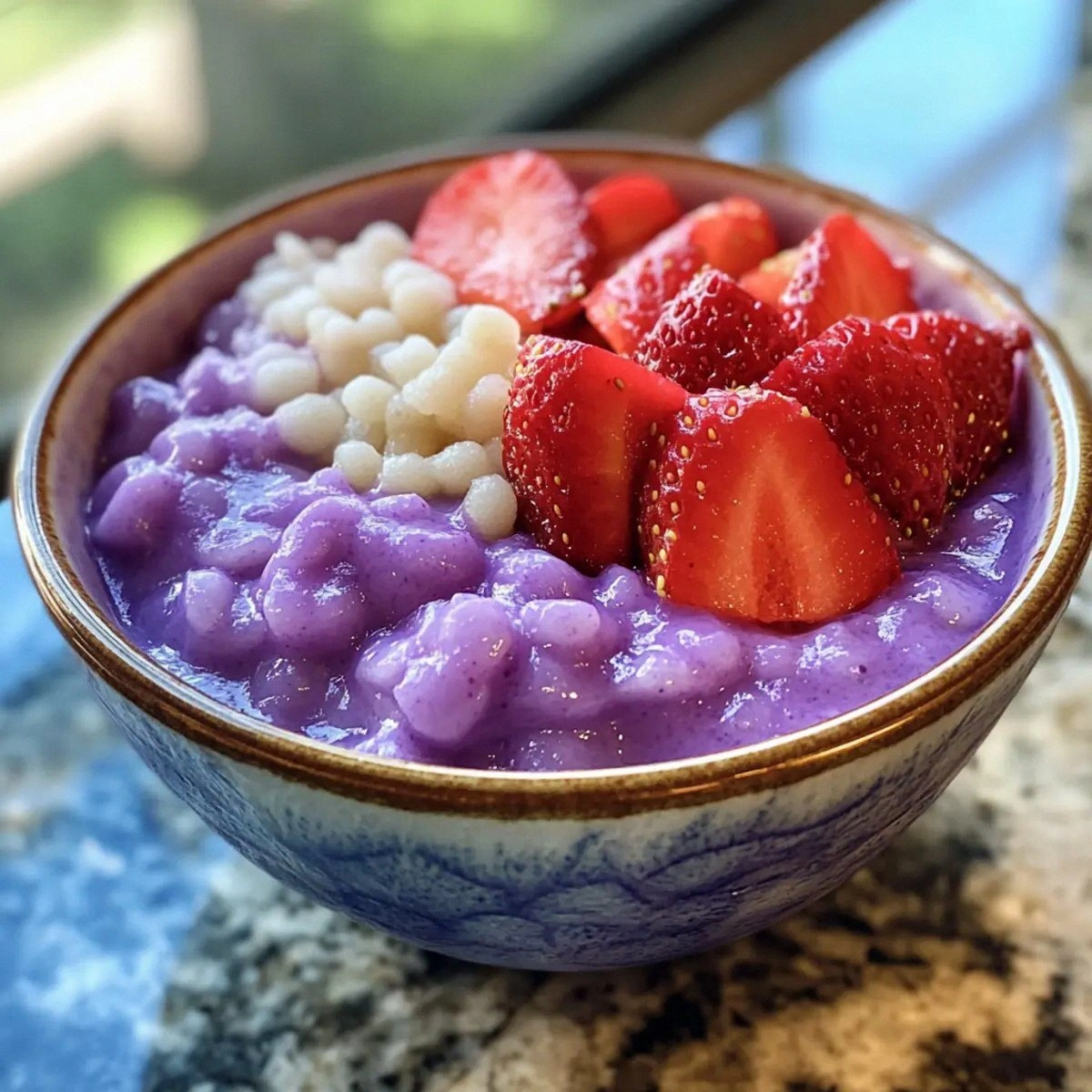
Picture this: a bowl of silky, lavender‑hued cream cradling chewy pearls that bounce back with every bite, topped with a burst of fresh fruit that adds a juicy contrast. The aroma is a heady mix of sweet potato earthiness, coconut’s tropical whisper, and a faint vanilla kiss that makes the whole kitchen feel like a cozy bakery in the Philippines. I dared myself to taste it straight from the pot, and I’ll be honest—I ate half the batch before anyone else could even grab a spoon. That’s the kind of addictive quality you get when texture and flavor lock arms in perfect harmony.
Most ube sago recipes get this completely wrong. They either drown the pearls in a syrupy swamp or leave them undercooked, turning the whole thing into a soggy mess. My version, however, strikes a balance that feels like a hug from a childhood memory while still being fresh enough for a modern palate. The secret? A splash of regular milk to smooth out the coconut richness, a precise simmering time that lets the pearls reach that perfect chew, and a dash of ube extract that amplifies the purple hue without overwhelming the subtle sweetness.
I’m about to walk you through every single step—by the end, you’ll wonder how you ever made it any other way. Okay, ready for the game‑changer? Let’s dive in and turn those humble pantry staples into a show‑stopping dessert that will have everyone begging for seconds.
What Makes This Version Stand Out
- Flavor Depth: The combination of ube halaya and a hint of vanilla creates a layered taste that evolves with each bite, from earthy to sweet to aromatic.
- Chewy Perfection: Small tapioca pearls are cooked just long enough to become tender yet retain a satisfying bounce, avoiding the gummy trap.
- Balanced Richness: Coconut milk adds silkiness, while regular milk tempers the heaviness, giving a light‑but‑creamy mouthfeel.
- Simplicity: Only seven core ingredients, all pantry‑friendly, make this recipe accessible even for novice cooks.
- Show‑Stopping Color: The vivid purple hue from ube extract and halaya turns any bowl into a visual masterpiece.
- Crowd Reaction: Guests often claim they’ve never tasted anything like it, and the “I dare you to taste this and not go back for seconds” challenge becomes a conversation starter.
- Make‑Ahead Potential: You can prep the pearls and the creamy base ahead of time, then assemble just before serving for ultimate convenience.
- Ingredient Quality: Using authentic Filipino ube halaya guarantees a genuine flavor that store‑bought powders can’t replicate.
Inside the Ingredient List
The Flavor Base
Ube halaya is the heart of this dessert. Its natural sweetness and earthy undertones give the dish its signature purple glow and a depth that artificial coloring can’t match. If you skip it, you’ll lose that authentic Filipino flavor and end up with a bland, one‑dimensional sweet. A good swap is a high‑quality sweet potato puree, but expect a slightly different taste profile.
The Texture Crew
Small tapioca pearls are tiny powerhouses of chew. They absorb the surrounding liquid, swelling to a perfect bite‑size consistency. Overcooking turns them mushy; undercooking leaves a hard center. If you can’t find small pearls, medium ones work, but you’ll need to increase the simmer time by about five minutes.
The Unexpected Star
Ube extract is the secret weapon that intensifies both color and flavor without adding extra sweetness. A little goes a long way—just a teaspoon can turn a pale cream into a regal violet. If you don’t have extract, a splash of natural purple food dye can mimic the hue, but you’ll miss out on the nuanced flavor.
The Final Flourish
Chopped fruit adds a bright contrast, both visually and on the palate. Mango, lychee, or even fresh strawberries work beautifully. The fruit’s acidity cuts through the richness, preventing the dessert from feeling overly heavy. If you’re out of fresh fruit, a handful of frozen berries, thawed and drained, will do the trick.
Everything's prepped? Good. Let’s get into the real action…
The Method — Step by Step
Start by rinsing the small tapioca pearls under a fine mesh sieve. This quick rinse removes surface starch that would otherwise make the cooking water cloudy. After rinsing, set the pearls aside in a bowl of cold water while you prep the liquids. This pause also helps the pearls stay separate when they hit the heat.
In a medium saucepan, combine 1 cup of milk and 1 cup of coconut milk. Turn the heat to medium and stir gently until the mixture is uniform. As the liquid warms, you’ll notice a faint coconut aroma rising—this is your first cue that the base is coming together. Bring the mixture to a gentle simmer, but do not let it boil vigorously; a soft bubble is all you need.
Drain the soaked tapioca pearls and add them to the simmering milk mixture. Stir immediately to keep the pearls from sticking to the bottom. The pearls will start to swell and become translucent after a few minutes—watch for that subtle “cloudy to clear” transformation. Reduce the heat to low and let them cook for 15‑20 minutes, stirring every few minutes to avoid scorching.
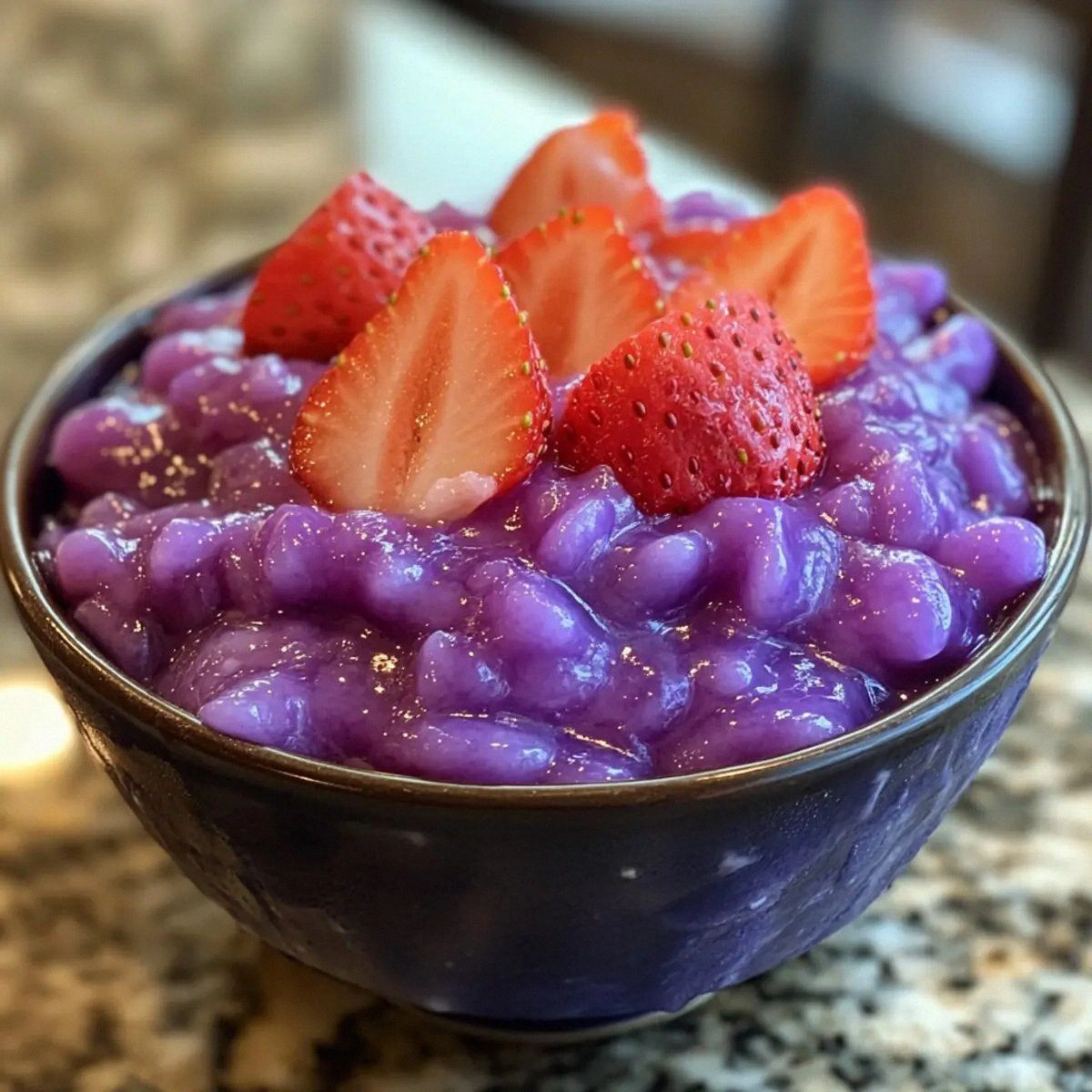
Once the pearls have reached a perfect chew—test one by biting; it should be soft in the center yet give a gentle resistance—stir in ½ cup of ube halaya. The halaya will melt into the creamy base, turning the mixture a deep violet. Follow with 1 teaspoon of ube extract and 1 teaspoon of vanilla extract to boost both color and aroma. Keep the heat low and let everything meld for another 5 minutes, allowing the flavors to marry.
At this stage, taste the mixture. It should be sweet but not cloying; the coconut milk adds richness, while the ube provides earthiness. If you feel it needs a touch more sweetness, drizzle in a teaspoon of honey or maple syrup—just a whisper, not a flood. Remove the saucepan from the heat and let the sago sit, covered, for 5 minutes so the pearls fully absorb the flavored liquid.
While the sago rests, prepare your fruit topping. Chop fresh mango, pineapple, or berries into bite‑size pieces. The fruit should be ripe but firm, offering a juicy burst without turning mushy when mixed in later. Toss the fruit with a squeeze of lime juice to brighten the flavors and prevent oxidation.
To serve, spoon generous portions of the creamy ube sago into individual bowls. Top each with a handful of the fresh fruit mixture, and if you’re feeling indulgent, drizzle a thin stream of coconut cream for extra silk. The final presentation should look like a purple‑kissed cloud dotted with vibrant fruit gems. That moment when you see the color? Pure magic.
That’s it — you did it. But hold on, I’ve got a few more tricks that’ll take this to another level, so stay with me here — this is worth it.
Insider Tricks for Flawless Results
The Temperature Rule Nobody Follows
Never, ever cook the milk‑coconut mixture on high heat. A gentle simmer ensures the pearls soften evenly and the dairy doesn’t scorch. I once cranked the burner to “max” and ended up with a caramelized bottom that ruined the whole batch. Keep the temperature low and steady, and you’ll get a silky texture every time.
Why Your Nose Knows Best
Your sense of smell is the ultimate timer for this dessert. When the coconut fragrance becomes buttery and the ube aroma deepens, you’re approaching the perfect flavor balance. If the scent stays faint, give it another minute; if it turns too strong, you might be overcooking.
The 5‑Minute Rest That Changes Everything
After you turn off the heat, let the sago sit covered for exactly five minutes. This short rest lets the pearls finish absorbing the liquid, resulting in a creamier mouthfeel. Skipping this step is a common mistake that leaves the pearls under‑infused and a bit dry.
Fruit Prep Precision
Cut your fruit just before serving, not earlier. Freshly cut fruit retains its bright acidity and crisp texture, which contrasts beautifully with the creamy base. If you pre‑cut too early, the fruit releases juices that can water down the dessert.
The Secret of a Tiny Salt Pinch
Add a pinch of sea salt right after the ube halaya melts in. Salt is a flavor enhancer; it lifts the sweetness and deepens the overall profile, making the dessert taste more complex. Trust me, the difference is like night and day.
Creative Twists and Variations
This recipe is a playground. Here are some of my favorite ways to switch things up:
Mango‑Madness
Swap the chopped fruit for ripe mango cubes and add a drizzle of mango puree into the creamy base. The tropical sweetness amplifies the coconut notes, making it a perfect summer treat.
Chocolate‑Infused Dream
Stir in 2 tablespoons of dark cocoa powder with the ube halaya. The resulting chocolate‑purple swirl looks stunning, and the bitterness of cocoa balances the dessert’s natural sweetness.
Nutty Crunch
Top each bowl with toasted coconut flakes and a sprinkle of chopped macadamia nuts. The added crunch provides a textural surprise that keeps the palate excited.
Spiced Autumn
Add a pinch of ground cinnamon and a splash of maple syrup to the milk mixture before simmering. This warm spice twist makes the dessert feel cozy for cooler evenings.
Vegan Velvet
Replace regular milk with oat milk and use a vegan ube halaya (often labeled “plant‑based ube jam”). The result is equally creamy, and the oat milk adds a subtle nuttiness.
Storing and Bringing It Back to Life
Fridge Storage
Transfer the leftover sago into an airtight container and refrigerate for up to three days. The pearls will firm up a bit, but a quick stir before serving will restore the creamy consistency.
Freezer Friendly
For longer storage, portion the dessert into freezer‑safe jars, leaving a half‑inch headspace. Freeze for up to one month. When you’re ready to enjoy, thaw overnight in the fridge and give it a gentle warm‑up on the stove.
Best Reheating Method
Place the frozen or refrigerated portion in a saucepan over low heat, adding a splash (about 2 tablespoons) of milk or coconut milk. The added liquid creates steam that revives the pearls, returning them to their original chewiness. Stir constantly to avoid sticking.