I’ll be honest — I ate half the batch before anyone else got to try it, and that’s because this vinaigrette is nothing short of a culinary love‑affair. It started on a rainy Tuesday when my roommate dared me to “make something that actually tastes like Greece without ordering takeout.” I was half‑asleep, the kitchen was a mess of half‑crushed garlic cloves and a lemon that looked like it had been through a war, and I was desperate for a splash of sunshine. The moment I whisked the lemon juice into the olive oil, a bright, citrusy perfume exploded, instantly banishing the gloom. I could hear the rain pattering against the window, but inside my tiny apartment the scent of oregano and red wine vinegar turned the whole place into a sun‑kissed Cava tavern.
The first bite was a revelation: the tang of the vinegar danced with the mellow fruitiness of the olive oil, while the honey whispered a subtle sweetness that made the whole thing feel like a celebration in a glass. Most vinaigrettes either drown in oil or scream with acid, but this one finds the sweet spot where every ingredient is heard, yet none overpowers. I dared you to taste this and not go back for seconds, because once you’ve experienced the perfect balance, the ordinary store‑bought stuff will feel like bland water. What makes this version truly stand out is a secret weapon — a splash of flavored olive oil that adds a depth you never knew vinaigrette could have.
If you’ve ever struggled with a vinaigrette that separates the moment you set it down, you’re not alone. I’ve watched friends pour a bottle of “salad dressing” over their greens only to see a greasy film form, and I’ve felt the embarrassment of a lumpy, over‑salted mess. This recipe fixes all of that with a simple emulsification technique that locks the flavors together like a tight‑knit Greek chorus. And the best part? It’s so simple you could throw it together while the kettle boils, yet it feels like a chef‑level masterpiece.
Picture yourself pulling a glossy, amber‑gold vinaigrette out of a mason jar, the whole kitchen smelling of lemon zest and fresh oregano, and a chorus of friends asking for the recipe. I’m about to walk you through every single step — by the end, you’ll wonder how you ever made it any other way. Okay, ready for the game‑changer?
What Makes This Version Stand Out
- Tangy Brightness: The double hit of lemon juice and red wine vinegar creates a citrus‑vinegar duet that awakens the palate without overwhelming it.
- Silky Emulsion: By whisking the oil into the acid slowly, the vinaigrette achieves a velvety texture that clings to greens like a second skin.
- Herbaceous Punch: Fresh oregano isn’t just garnish; it infuses the sauce with a piney, Mediterranean aroma that transports you straight to a Cava hillside.
- Sweet Balance: A teaspoon of honey or maple syrup tames the acidity, turning the vinaigrette into a harmonious symphony rather than a solo performance.
- Heat Whisper: A pinch of crushed red pepper flakes adds a subtle heat that lingers just long enough to keep you intrigued.
- Flavor‑Boosting Oil: A drizzle of flavored olive oil (think lemon‑infused or rosemary‑infused) adds layers of complexity you didn’t know a vinaigrette could have.
- Make‑Ahead Magic: This vinaigrette improves after a few hours in the fridge as the flavors meld, meaning you can prep it ahead of a dinner party and impress without stress.
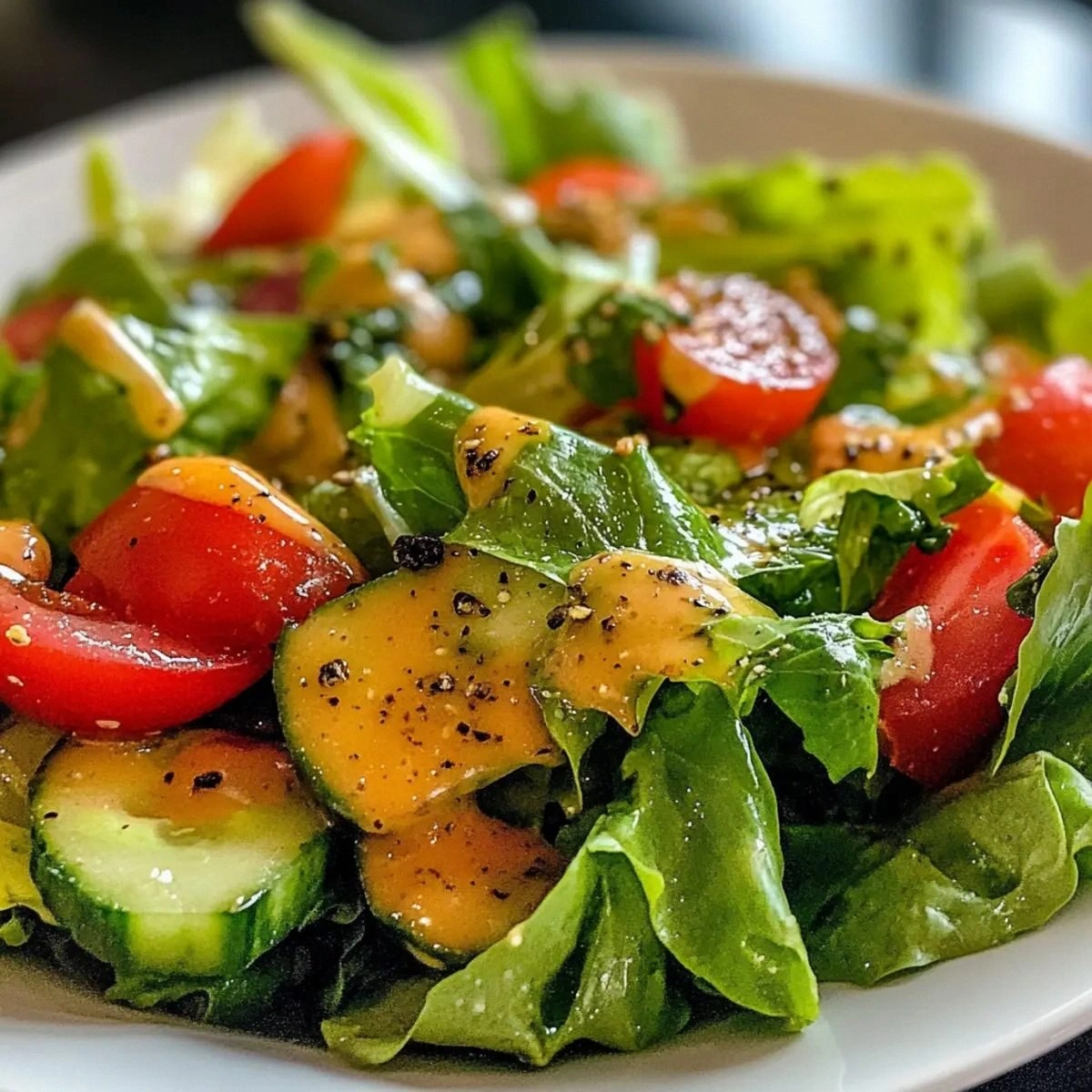
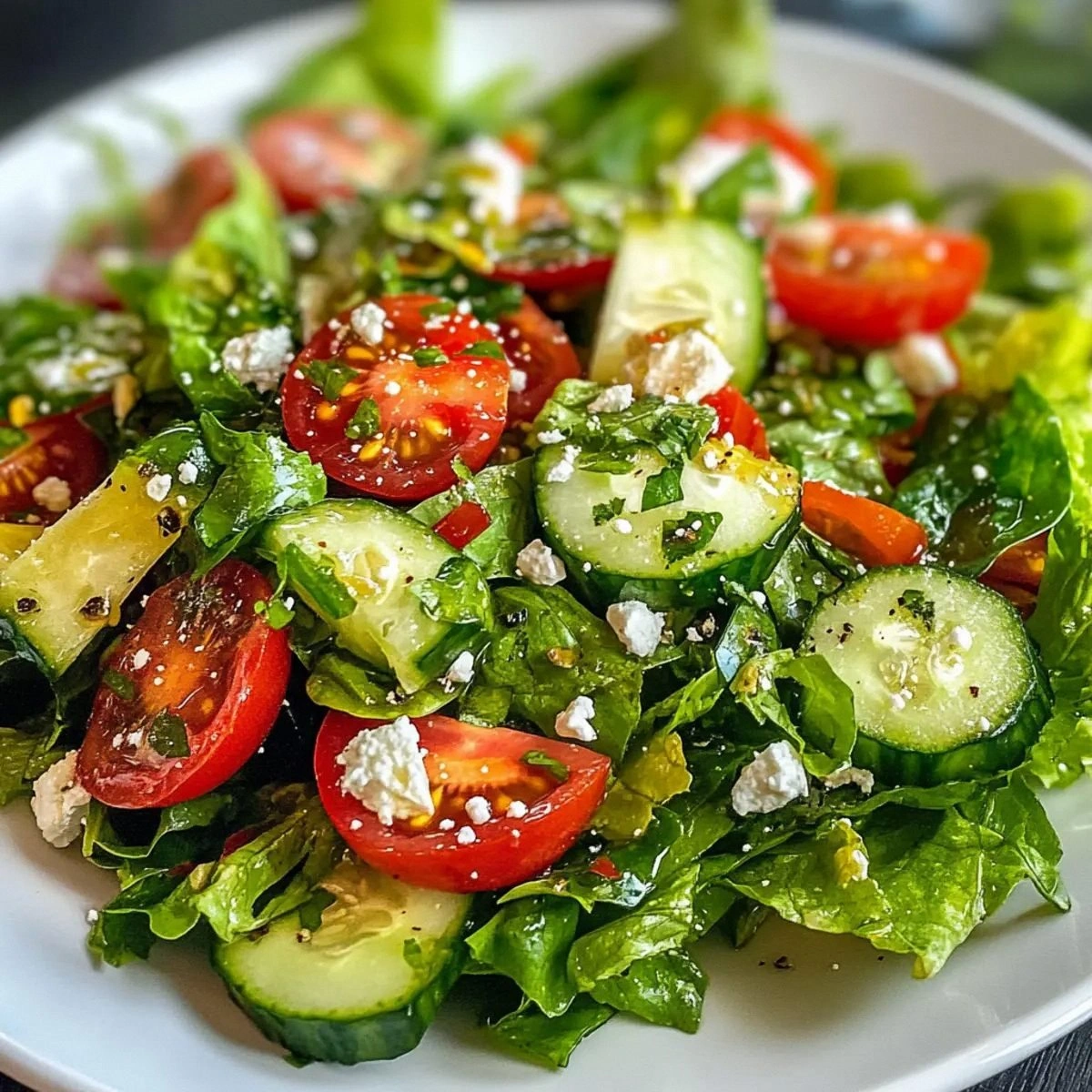
- Crowd‑Pleaser: Whether you’re drizzling it over a Greek salad, using it as a dip for pita, or marinating chicken, the reaction is always “more, please!”
Inside the Ingredient List
The Flavor Base
Garlic is the backbone of this vinaigrette, providing a pungent, aromatic foundation that balances the acidity. Two cloves, minced fine, release allicin, which not only adds depth but also has a subtle, almost buttery undertone when raw. If you skip the garlic, you’ll lose that savory depth, and the vinaigrette can feel flat. For a milder version, try roasting the garlic first — it will add a sweet, caramelized note that pairs beautifully with the lemon.
Lemon juice, measured at two tablespoons, brings a bright, citrusy zing that instantly lifts the other flavors. Freshly squeezed is non‑negotiable; bottled lemon juice lacks the essential oils that give that sunny snap. If you’re out of lemons, a splash of lime works, but expect a slightly different aromatic profile.
The Acidic Duo
Red wine vinegar contributes a mellow, fruity acidity that complements the sharpness of lemon without clashing. Two tablespoons are perfect for a balanced tang; more would make the vinaigrette too sharp, while less would mute its brightness. If you prefer a deeper flavor, substitute with sherry vinegar for an earthy undertone.
Dijon mustard is the unsung hero that acts as an emulsifier, binding the oil and acid into a cohesive emulsion. One tablespoon is enough to give a subtle heat and a silky mouthfeel. Skipping the mustard often results in a watery separation, so keep it in the mix unless you have a severe mustard allergy.
The Herb & Spice Crew
Fresh oregano, measured at one tablespoon, adds a piney, slightly bitter note that is quintessentially Greek. If you can’t find fresh, dried oregano works in a pinch, but use only half the amount because dried herbs are more concentrated.
Black pepper and salt, each at half a teaspoon, are the classic seasoning duo. The pepper adds a gentle heat and aromatic complexity, while the salt enhances all the flavors, making them sing. Taste as you go; if you’re using flavored olive oil with salt, you may want to reduce the added salt slightly.
The Oil & Sweetness
Extra virgin olive oil, at half a cup, provides the luxurious body and mouthfeel that carries the vinaigrette across your palate. Choose a robust, cold‑pressed oil for maximum flavor; a light, bland oil will make the vinaigrette feel thin. If you’re allergic to olives, a high‑quality avocado oil can substitute, though the flavor profile will shift toward buttery.
Honey or maple syrup, one teaspoon, is the secret sweetener that rounds out the acidity. It’s the difference between “sharp” and “balanced.” Use raw honey for a floral nuance, or pure maple syrup if you want a caramel‑like depth.
Flavored olive oils are the final flourish — a drizzle of lemon‑infused or rosemary‑infused oil adds an extra layer of aroma that makes the vinaigrette feel like a gourmet sauce. If you don’t have flavored oil, a few extra drops of the base olive oil will still work, but you’ll miss that nuanced finish.
The Heat Whisper
A pinch of crushed red pepper flakes injects a subtle heat that awakens the senses without overpowering the delicate balance. It’s the culinary equivalent of a wink — you notice it, but you can’t quite put your finger on it. Adjust to taste; more flakes will turn the vinaigrette into a fiery companion for grilled meats.
Everything’s prepped? Good. Let’s get into the real action…
The Method — Step by Step
Start by mincing the garlic as fine as possible; a micro‑dice ensures it distributes evenly and doesn’t leave big bites that could dominate the flavor. I like to use the flat side of my chef’s knife to crush it first, then finely chop. The aroma should be sharp and pungent, a signal that the garlic is ready to release its magic. Power tip: If you hear a faint sizzle as the garlic meets the bowl, you’re on the right track.
Kitchen Hack: Use the side of a grater to turn garlic into a paste; it emulsifies faster.In a medium bowl, combine the minced garlic, lemon juice, and red wine vinegar. Whisk them together vigorously for about 30 seconds until the mixture looks slightly frothy. This initial whisk begins the emulsification process, allowing the acid to coat the garlic particles fully. You’ll notice a faint citrus‑vinegar perfume that hints at the bright flavor to come.
Add the Dijon mustard to the acid mixture and whisk until it’s fully incorporated. The mustard acts like a bridge, binding the oil and acid together. At this point, the mixture should have a creamy consistency, almost like a light mayo. Watch Out: If the mustard lumps, keep whisking; the acidity will eventually smooth it out.
Watch Out: Adding oil too quickly will cause the mixture to split. Add it in a thin, steady stream while whisking constantly.Now the real magic: slowly drizzle the extra virgin olive oil into the bowl while whisking nonstop. The key is a slow, steady stream; this forces tiny droplets of oil to become suspended in the acid‑mustard matrix, creating a glossy emulsion. The vinaigrette should gradually thicken, taking on a silky, almost buttery sheen. If you pause too long, the mixture may start to separate, so keep the rhythm going.
Stir in the fresh oregano, black pepper, and salt. These dry ingredients should dissolve into the emulsion without clumping. The oregano’s green flecks will float like tiny islands, giving you a visual cue that the herb is well‑distributed. Taste at this stage; you should feel a bright acidity balanced by a gentle peppery heat.
Add the honey or maple syrup, and then the crushed red pepper flakes. Whisk just enough to blend the sweetener, which will smooth out any lingering sharp edges from the acid. The red pepper flakes should be barely visible, a whisper of heat that you’ll only notice as the vinaigrette coats your salad.
Finish with a drizzle of flavored olive oil — about one tablespoon. This final oil adds a nuanced aroma that elevates the vinaigrette from “good” to “wow.” Give it a gentle swirl with a spoon rather than whisking, to preserve the delicate layers you just built.
Kitchen Hack: If you plan to store the vinaigrette, add an extra teaspoon of mustard; it helps keep the emulsion stable over time.Transfer the vinaigrette to a clean glass jar with a tight‑fitting lid. Let it sit for at least 10 minutes before using; this resting period allows the flavors to meld, creating a harmonious blend. The vinaigrette will turn a deeper, richer amber as the herbs infuse. Give the jar a good shake before each use, and you’ll see the emulsion come back to life instantly.
That’s it — you did it. But hold on, I’ve got a few more tricks that’ll take this to another level. The next section reveals insider tips that will make your vinaigrette bullet‑proof, whether you’re serving it at a casual brunch or a fancy dinner party. Stay with me here — this is worth it.
Insider Tricks for Flawless Results
The Temperature Rule Nobody Follows
Never whisk a cold vinaigrette; room‑temperature ingredients emulsify much more readily. If your olive oil is straight out of the fridge, let it sit for 15 minutes before you start. The warmer oil will blend with the acidic base without clumping, giving you that glossy finish. I once tried to rush the process on a hot summer day, and the vinaigrette split like a bad breakup.
Why Your Nose Knows Best
Your nose is the ultimate quality control. After whisking in the oil, pause and inhale deeply. You should smell a balanced trio of citrus, herb, and a faint sweetness. If the aroma leans too heavily toward vinegar, add a touch more honey. Trust that instinct; it’s more reliable than a timer.
The 5‑Minute Rest That Changes Everything
Allowing the vinaigrette to rest for five minutes lets the garlic and oregano release their oils, deepening the flavor. This short pause is the secret behind why my friends claim the sauce tastes better the second time they try it. It’s also the moment when the oil and acid fully marry, preventing separation later on.
Shake, Don’t Stir (When Storing)
When you store the vinaigrette in a sealed jar, a quick shake before each use re‑emulsifies it instantly. This is a lifesaver for busy weeknights when you need a fast, consistent dressing. The shake also redistributes the crushed red pepper flakes, ensuring every spoonful has a hint of heat.
Flavor Layering with Flavored Oil
Adding a flavored olive oil at the end is like adding a final brushstroke to a painting. It should be drizzled gently, not whisked, to keep its aromatic compounds intact. If you love lemon, a lemon‑infused oil will amplify the citrus notes; if you prefer herbaceous depth, rosemary oil adds an earthy backdrop.
Creative Twists and Variations
This recipe is a playground. Here are some of my favorite ways to switch things up:
Mediterranean Citrus Burst
Swap half the lemon juice for freshly squeezed orange juice and add a pinch of sumac. The orange adds a sweet citrus note, while sumac contributes a tangy, almost berry‑like flavor that pairs beautifully with grilled halloumi.
Spicy Harissa Kick
Replace the crushed red pepper flakes with a teaspoon of North African harissa paste. The deep, smoky heat elevates the vinaigrette, making it perfect for drizzling over roasted cauliflower or as a dip for flatbread.
Herb Garden Medley
Mix fresh thyme, basil, and mint with the oregano for a garden‑fresh version. Each herb adds its own character: thyme brings earthiness, basil adds sweet pepper, and mint offers a cooling finish.
Maple‑Mustard Sweetness
Use pure maple syrup instead of honey and increase the Dijon mustard to 1½ tablespoons. This creates a richer, slightly tangy sweetness that works wonders on roasted sweet potatoes.
Umami Boost
Add a splash of soy sauce or a teaspoon of miso paste to the acid base. The umami depth balances the brightness and makes the vinaigrette an excellent glaze for grilled salmon.
Storing and Bringing It Back to Life
Fridge Storage
Transfer the vinaigrette to an airtight glass jar and store it in the refrigerator for up to one week. The flavors will meld and intensify, so the longer it sits, the richer it becomes. Before each use, give it a vigorous shake to re‑emulsify.
Freezer Friendly
Yes, you can freeze this vinaigrette! Portion it into silicone ice cube trays, freeze, then transfer the cubes to a zip‑top bag. It will keep for up to three months. When you need it, pop a cube into a bowl and whisk with a splash of water to bring it back to a pourable consistency.
Best Reheating Method
If the vinaigrette has thickened too much after refrigeration, place the jar in a bowl of warm (not hot) water for a minute. Add a tiny splash of water or extra lemon juice, then whisk gently. This gentle reheating restores its glossy texture without cooking off the fresh flavors.