Love this? Pin it for later! 📌
Budget-Friendly Roasted Carrot & Parsnip Casserole for Cold Nights
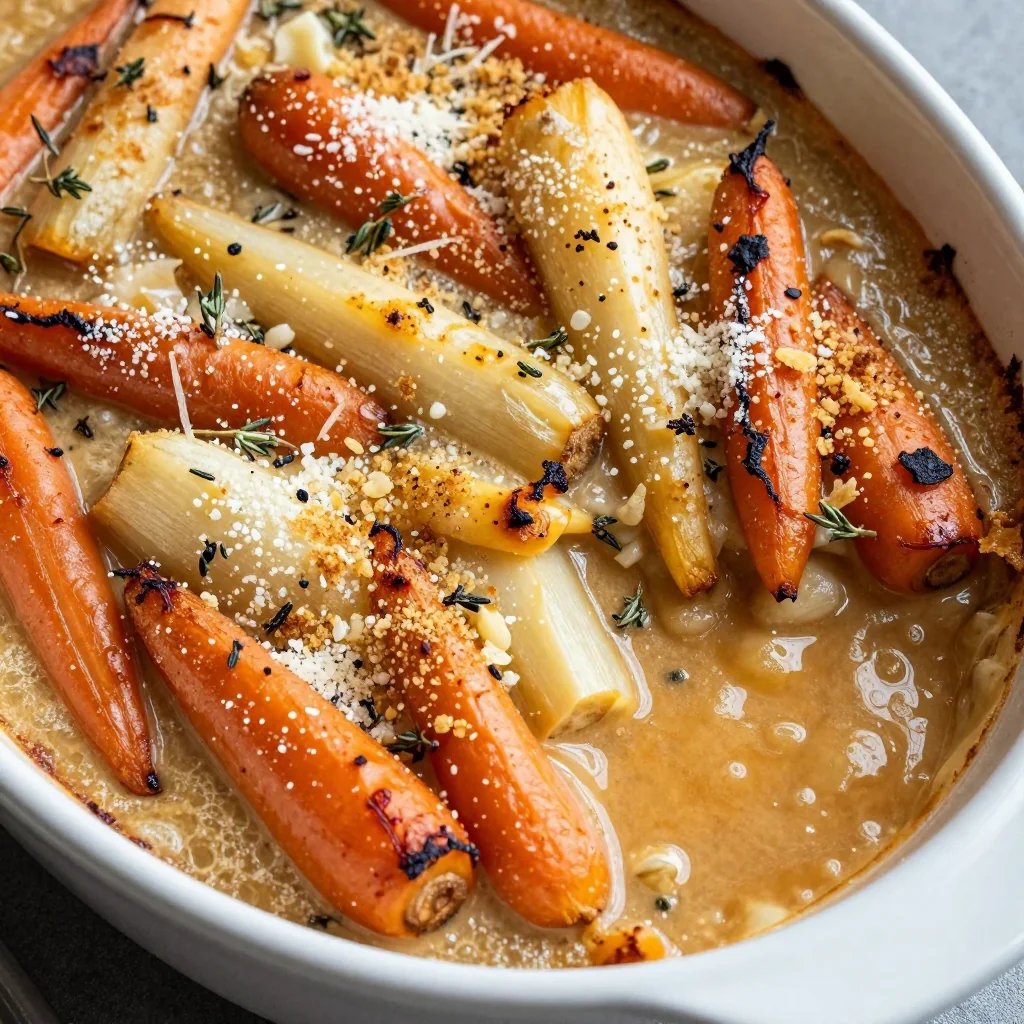
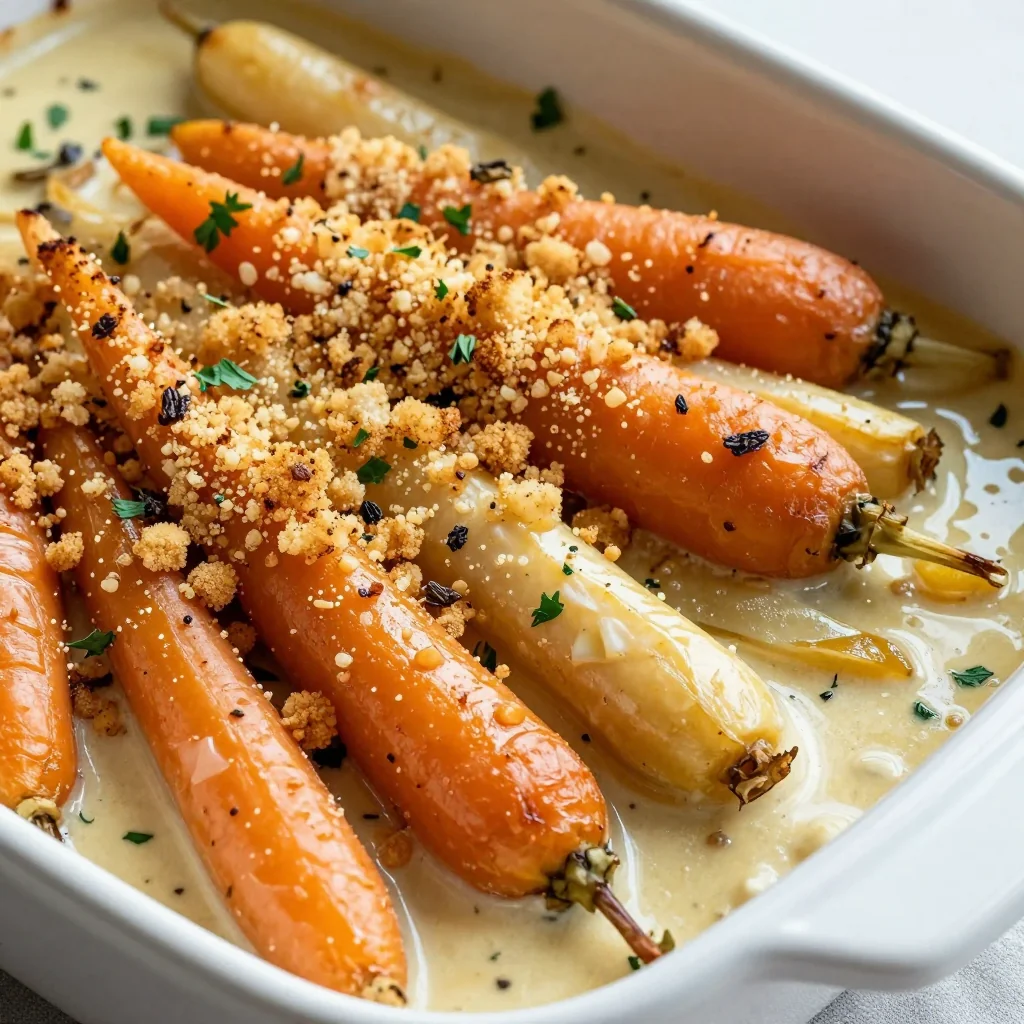
When the temperature drops and the wind howls outside my kitchen window, nothing brings me more comfort than pulling a bubbling, golden-topped casserole from the oven. This roasted carrot and parsnip beauty was born on one of those particularly brutal January evenings when my grocery budget was stretched thin, the fridge looked sparse, and my family needed something that felt like a warm hug on a plate. What started as a "clean out the crisper" experiment has become our most-requested winter supper—proof that humble roots can become pure magic when coaxed in a hot oven with a few pantry staples.
I still remember the skepticism on my teenager's face when I announced we were having "just vegetables" for dinner. An hour later, that same kid was scraping the casserole dish clean, declaring it "better than mac and cheese." The secret lies in the roasting process, which transforms the natural sweetness of carrots and parsnips into caramelized perfection, while a crispy breadcrumb topping provides the satisfying crunch that makes even the most devoted carnivores forget there's no meat in sight.
Why This Recipe Works
- One-pan wonder: Everything roasts together on a single sheet pan before transferring to your baking dish, minimizing cleanup.
- Budget hero: Carrots and parsnips cost pennies per pound, especially in winter when they're in peak season.
- Make-ahead magic: Prep everything up to 24 hours ahead; just pop in the oven when you're ready.
- Comfort food without the guilt: Creamy and satisfying without heavy cream or excess cheese.
- Endlessly adaptable: Swap herbs, add beans for protein, or throw in whatever vegetables need using up.
- Leftover legend: Tastes even better the next day, making it perfect for meal prep.
Ingredients You'll Need
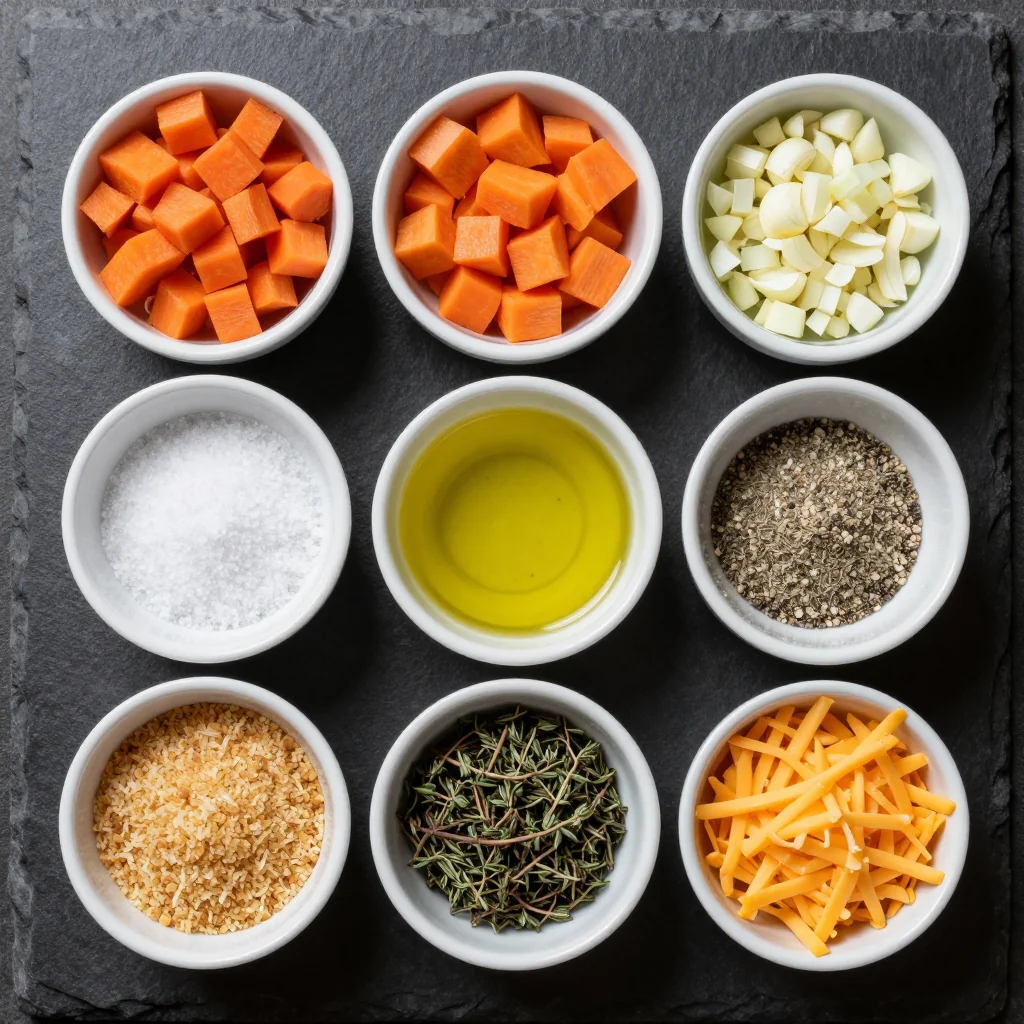
Before we dive into the method, let's talk about each ingredient and why it matters. This isn't just a list—understanding your ingredients is the difference between a good casserole and a spectacular one.
The Star Vegetables
Carrots: Look for medium-sized carrots that feel heavy for their size. Avoid the "baby" carrots sold in bags—they're actually mature carrots cut down and lack the concentrated flavor of whole carrots. If you can find bunches with tops still attached, even better; the greens indicate freshness. Peel them for the silkiest texture, but if your carrots are young and tender, a good scrub is sufficient.
Parsnips: These cream-colored roots look like albino carrots but pack a sweet, nutty flavor that's absolutely transformative when roasted. Choose small to medium parsnips; larger ones can have woody, fibrous cores that never quite soften. If you can only find large parsnips, simply cut out the tough center core after peeling.
The Flavor Builders
Yellow Onion: A single large onion, sliced into half-moons, provides the aromatic base that gives this casserole depth. Yellow onions are perfect here—they're inexpensive and their pungency mellows beautifully during roasting.
Garlic: Four cloves might seem like a lot, but roasting transforms harsh garlic into sweet, mellow nuggets of flavor. Don't substitute garlic powder here; fresh is essential for the complexity we're after.
The Pantry Staples
Olive Oil: Two tablespoons is all you need to coax maximum flavor from the vegetables. The oil helps conduct heat evenly and encourages that gorgeous caramelization we're after. Regular olive oil works fine here; save your expensive extra-virgin for finishing dishes.
Vegetable Broth: Just one cup creates the luscious sauce that brings everything together. Use low-sodium broth so you can control the salt level. In a pinch, water with a bouillon cube works, but homemade broth will take this to another level.
Fresh Thyme: This herb is a game-changer. Its earthy, slightly lemony flavor complements the sweet vegetables perfectly. If you must substitute, use half the amount of dried thyme, but fresh really makes a difference here.
The Topping
Breadcrumbs: I use plain, unseasoned breadcrumbs for maximum control. If you only have Italian-seasoned breadcrumbs, omit the additional herbs. Panko works beautifully for extra crunch, but regular breadcrumbs create a more traditional casserole topping.
Parmesan Cheese: Just a quarter cup provides that irresistible umami note that makes everyone ask for seconds. For a vegetarian version, look for vegetarian parmesan (made without animal rennet) or substitute nutritional yeast for a vegan option.
How to Make Budget-Friendly Roasted Carrot & Parsnip Casserole for Cold Nights
Prep and Preheat
Position your oven rack in the center and preheat to 425°F (220°C). This high temperature is crucial for proper caramelization. While the oven heats, peel and cut your vegetables: slice carrots and parsnips into 1-inch pieces on the diagonal—this increases surface area for maximum browning. Cut the onion from pole to pole into half-moons about 1/4-inch thick. Smash the garlic cloves with the flat side of your knife and remove the papery skins.
Season and Toss
In a large bowl, combine the chopped carrots, parsnips, onion, and garlic. Drizzle with olive oil, then sprinkle with salt, pepper, and fresh thyme leaves. Use your hands to toss everything together—yes, your hands! They're the best tool for ensuring every vegetable is evenly coated. The vegetables should glisten with oil but not be swimming in it. Spread the mixture on a large rimmed baking sheet in a single layer; overcrowding will steam rather than roast the vegetables.
First Roast
Slide the baking sheet into your preheated oven and roast for 25 minutes. During this time, resist the urge to stir too early—those gorgeous brown bits on the bottom are flavor gold. After 25 minutes, give everything a good stir with a spatula, scraping up any caramelized bits. Return to the oven for another 20-25 minutes, until the vegetables are tender and deeply golden around the edges.
Create the Sauce Base
While the vegetables finish roasting, prepare your casserole base. In a small saucepan, warm the vegetable broth over medium heat. You want it hot but not boiling—around 150°F if you're using a thermometer. This prevents shocking the hot vegetables and helps everything come together smoothly. If you're feeling fancy, add a bay leaf to the broth for extra aromatic depth.
Assemble the Casserole
Reduce the oven temperature to 375°F (190°C). Lightly grease a 2-quart baking dish with olive oil or butter. Transfer the roasted vegetables to the dish, spreading them in an even layer. Pour the hot vegetable broth over the top—it should come about halfway up the vegetables. The broth will create steam during baking, ensuring the vegetables stay moist while the top gets crispy.
Make the Crispy Topping
In a small bowl, combine the breadcrumbs, grated parmesan, and a pinch of salt and pepper. Add one tablespoon of olive oil and mix with your fingers until the mixture resembles wet sand. The oil is key here—it helps the topping brown evenly and prevents it from burning before the vegetables are heated through.
Top and Bake
Sprinkle the breadcrumb mixture evenly over the vegetables, making sure to cover the edges where they might dry out. Slide the casserole into the 375°F oven and bake for 25-30 minutes, until the topping is deep golden brown and you can see the sauce bubbling up around the edges. If the top browns too quickly, tent loosely with foil for the final 10 minutes.
Rest and Serve
This is the hardest part—waiting! Let the casserole rest for at least 10 minutes before serving. This allows the sauce to thicken slightly and prevents molten-hot vegetables from burning eager mouths. The casserole will stay warm for up to 30 minutes, making it perfect for busy weeknights when family members eat at different times.
Expert Tips
Maximize Caramelization
Cut vegetables into similar-sized pieces so they cook evenly. Smaller pieces = more surface area = more delicious browning.
Make-Ahead Magic
Roast the vegetables up to 3 days ahead. Store covered in the fridge, then assemble and bake when ready to serve.
Boost the Protein
Stir in a can of drained chickpeas or white beans before baking for a complete one-dish meal that satisfies even hearty appetites.
Dairy-Free Option
Replace parmesan with nutritional yeast for a vegan version that still delivers that addictive umami flavor.
Herb Swaps
No thyme? Use rosemary, sage, or a combination. Dried herbs work in a pinch—use one-third the amount.
Topping Upgrade
Mix in some chopped nuts (walnuts or pecans) with the breadcrumbs for extra crunch and healthy fats.
Variations to Try
Mediterranean Version
Add 1/2 cup chopped kalamata olives and 2 tablespoons capers to the roasted vegetables. Swap thyme for oregano and add a sprinkle of lemon zest to the breadcrumb topping.
Serves 6Spicy Southwest
Add 1 teaspoon smoked paprika and 1/2 teaspoon chipotle powder to the vegetables. Include a can of black beans and top with pepper jack cheese instead of parmesan.
Serves 6Creamy Indulgence
Replace 1/2 cup of the broth with heavy cream. Add 1 cup shredded sharp cheddar to the vegetable mixture for an ultra-decadent version.
Serves 6Storage Tips
Refrigeration
Store leftover casserole in an airtight container in the refrigerator for up to 5 days. The flavors actually improve after the first day as the herbs have time to meld. To reheat, cover with foil and warm in a 350°F oven for 20 minutes, or microwave individual portions for 2-3 minutes.
Freezing
This casserole freezes beautifully for up to 3 months. Cool completely, then wrap individual portions in plastic wrap and foil, or freeze the entire casserole. Thaw overnight in the refrigerator before reheating. The breadcrumb topping may lose some crunch after freezing, so consider adding fresh breadcrumbs when reheating.
Frequently Asked Questions
Absolutely! Sweet potatoes, turnips, rutabaga, or butternut squash all work beautifully. Just keep the total weight around 2 pounds and cut everything into similar-sized pieces. Avoid watery vegetables like zucchini or mushrooms—they'll make the casserole soggy.
The casserole itself is naturally gluten-free. Simply substitute gluten-free breadcrumbs or crushed gluten-free crackers for the topping. You can also use ground almonds mixed with a tablespoon of nutritional yeast for a protein-rich, gluten-free topping.
While you can cook the vegetables in a slow cooker, you'll miss the crucial caramelization that makes this dish special. If you must use a slow cooker, roast the vegetables in the oven first, then transfer to the slow cooker with the broth. Cook on low for 2-3 hours, add the topping, then transfer to the oven for the final browning.
This casserole is satisfying on its own, but pairs beautifully with crusty bread for sopping up the sauce. For a heartier meal, serve alongside roasted chicken or pork chops. A crisp green salad with a bright vinaigrette provides welcome contrast to the rich, sweet vegetables.
Large, mature parsnips can develop a bitter core. Always choose small to medium parsnips, and if yours are large, cut them in half lengthwise and remove the woody center core with a paring knife. The roasting process also helps mellow any bitterness by concentrating the natural sugars.
Ingredients
Instructions
- Prep and Preheat: Preheat oven to 425°F. Peel and cut vegetables into 1-inch pieces.
- Season and Toss: Combine vegetables with 2 tablespoons oil, salt, pepper, and thyme. Spread on baking sheet.
- First Roast: Roast 25 minutes, stir, then roast 20-25 minutes more until golden.
- Prepare Base: Warm vegetable broth in small saucepan; add bay leaf if using.
- Assemble: Reduce oven to 375°F. Transfer vegetables to greased 2-quart baking dish. Pour broth over top.
- Make Topping: Mix breadcrumbs, parmesan, and remaining 1 tablespoon oil with fingers.
- Top and Bake: Sprinkle topping over vegetables. Bake 25-30 minutes until golden and bubbly.
- Rest: Let stand 10 minutes before serving to allow sauce to thicken.
Recipe Notes
For extra caramelization, broil the casserole for the final 2-3 minutes, watching carefully to prevent burning. The vegetables should be tender but not mushy, with crispy edges and a creamy interior.