Picture this: you’re in the middle of a busy week, the fridge is a chaotic mix of leftovers, and your craving for something comforting hits you like a tidal wave. You open the pantry, pull out a pork tenderloin you’d forgotten about, and decide to give it a shot. The result? A dish that melts in your mouth, a sauce that glistens like a freshly poured paint, and a kitchen filled with aromas that make your neighbors stop by for a taste. I’m about to share the exact version that turned my ordinary dinner into a headline act on my Instagram feed, and trust me, it’s going to become your new go-to.
I’ve spent years testing countless pork recipes, and every time I’ve come back to the same realization: the key to a juicy tenderloin is in the balance between searing and gentle simmering, plus a sauce that doesn’t just coat but transforms the meat into a silky, savory masterpiece. That’s why I’ve perfected this version with a Dijon mustard kick, a splash of heavy cream, and a whisper of thyme that lingers long after the last bite. The sauce is thick enough to cling to the pork, yet light enough to let the natural flavors shine. If you’re tired of dry, bland pork, this recipe is your antidote.
I dare you to taste this and not go back for seconds. The first bite should feel like a velvet ribbon of flavor, with the mustard’s sharpness cutting through the richness of the cream, and the thyme adding a subtle earthiness that keeps the dish grounded. The pork’s exterior will crackle like thin ice, giving you that satisfying contrast before you slide into the melt‑in‑your‑mouth interior. Most recipes get this completely wrong, either over‑cooking the meat or under‑seasoning the sauce; here, everything works together like a well‑orchestrated symphony.
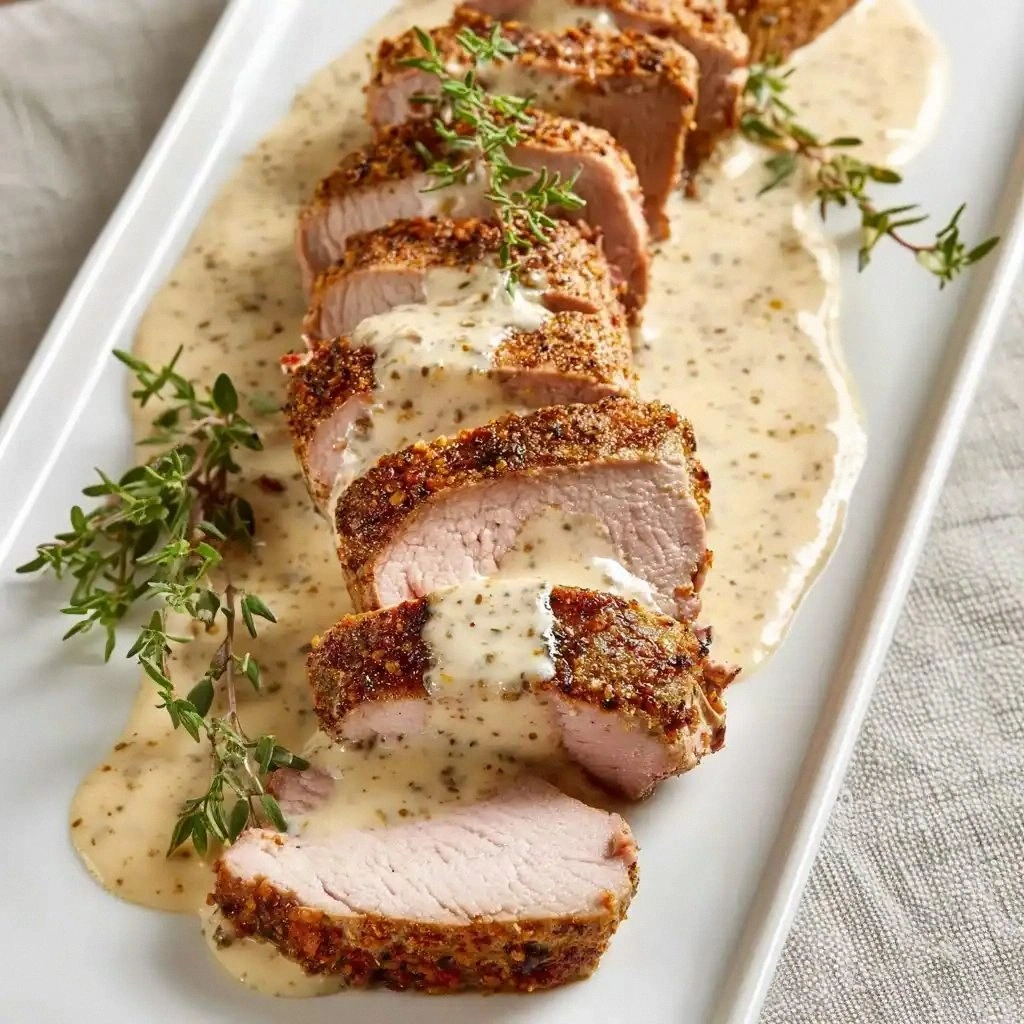
Picture yourself pulling this out of the oven, the whole kitchen smelling incredible, and the family’s faces lighting up as they see the glossy, golden surface of the tenderloin. The moment you carve into it, the juices burst forth like a spring, and the sauce glistens like a jewel. I’ve been told that this dish is hands down the best version you’ll ever make at home, and that’s not an exaggeration. Let me walk you through every single step — by the end, you’ll wonder how you ever made it any other way.
What Makes This Version Stand Out
- Juiciness: The pork tenderloin is seared to lock in moisture before finishing in a low‑heat oven, ensuring a succulent center that stays moist even after resting. The result is a juicy core that doesn’t dry out after a few minutes on the plate. This technique is the secret that keeps the meat tender.
- Flavor Layering: A blend of Dijon mustard, heavy cream, and thyme creates a sauce that is both tangy and creamy, with a depth that elevates the pork beyond simple seasoning. The mustard’s bite cuts through the richness of the cream, while the thyme adds an herbal whisper. This combination delivers a multi‑dimensional taste.
- Texture Contrast: The crust on the pork is crisp and caramelized, giving a satisfying bite that contrasts with the tender interior. The sauce coats the meat like velvet, providing a silky mouthfeel that lingers. Together, these textures create a memorable eating experience.
- Ease of Prep: With only ten ingredients and a straightforward method, this recipe is perfect for busy weeknights. The steps flow naturally, and no fancy equipment is required. Even a novice can achieve restaurant‑quality results.
- Versatility: The sauce’s balanced profile makes it a great accompaniment to a variety of sides, from mashed potatoes to roasted vegetables. You can also use it as a base for other meats, turning it into a versatile sauce that adapts to your cravings. The recipe invites creative experimentation.
- Make‑Ahead Friendly: The dish can be prepared in advance, allowing the flavors to meld and the pork to rest. You can reheat it gently, and the sauce will still cling beautifully to the meat. This feature makes it ideal for meal prep.
- Crowd‑Pleaser: Friends and family rave about the tenderness and the sauce’s rich taste. It’s a dish that gets compliments and repeat orders. The confidence you gain from serving this recipe is immeasurable.
Alright, let's break down exactly what goes into this masterpiece…
Inside the Ingredient List
The Flavor Base
The Dijon mustard is the star of the sauce, providing a sharp, tangy kick that cuts through the richness of the cream. Its bright flavor brightens the dish, ensuring it doesn’t feel heavy or cloying. If you can’t find Dijon, a good quality yellow mustard will work, but the profile will be slightly milder.
Heavy cream is the backbone of the sauce’s silkiness. It adds body and a luxurious mouthfeel that coats the pork like a velvet ribbon. If you’re watching calories, a light cream or half-and-half can be used, though the texture will be slightly thinner.
Butter is added at the end to finish the sauce with a glossy sheen and a buttery richness. It also helps balance the acidity of the mustard. A small amount of unsalted butter is sufficient; salted butter can make the sauce taste too salty.
The Texture Crew
Garlic and shallot bring aromatic depth and a subtle sweetness that rounds out the sauce. Mince the garlic finely so it distributes evenly; this prevents any single clove from overpowering the dish. If you prefer a milder garlic flavor, reduce the number of cloves to one.
Chicken broth or dry white wine adds a savory liquid base that helps dissolve the mustard and cream into a cohesive sauce. The broth brings a subtle depth that complements the pork; wine adds a fruity brightness. Either can be substituted with vegetable stock for a vegetarian option.
Fresh thyme provides a fragrant herbal note that anchors the sauce’s flavor profile. The leaves are delicate, so you can use whole sprigs or finely chopped stems. If thyme is out of season, dried thyme will work, but fresh is preferable for brightness.
The Unexpected Star
Fresh parsley is the finishing touch that adds a pop of color and a hint of green freshness. It also brightens the dish, preventing it from feeling too heavy. A tablespoon of chopped parsley is enough to make a noticeable difference.
Salt and pepper are the unsung heroes that bring everything together. They enhance each ingredient’s natural flavors and help balance the sauce’s richness. Use coarse salt for a subtle crunch and freshly ground pepper for a peppery finish.
Everything's prepped? Good. Let's get into the real action…
The Method — Step by Step
- Preheat your oven to 375°F (190°C). While the oven warms, pat the pork tenderloin dry with paper towels and season generously with salt and pepper. This step ensures a crisp exterior and prevents the meat from steaming. The aroma of the seasoned pork should already hint at the dish’s depth. If you’re feeling adventurous, add a pinch of smoked paprika for extra flavor.
- Heat a large oven‑proof skillet over medium‑high heat and add a splash of oil. Once the oil shimmers, place the pork in the pan and sear each side until a golden brown crust forms, about 2–3 minutes per side. The sear is essential for flavor; watch the sizzle—it’s the first sign of success. If you’re using a cast‑iron skillet, the heat distribution will be even, giving you a perfect crust.
- Remove the pork from the skillet and set aside. In the same pan, reduce the heat to medium and add the minced garlic and diced shallot. Sauté until translucent, about 2 minutes, letting the aromatics release their sweet perfume. This creates the base for the sauce, and you’ll notice the kitchen filling with savory notes.
- Stir in the Dijon mustard, ensuring it coats the garlic and shallot evenly. The mustard will begin to melt into the aromatics, forming a fragrant paste. The color change signals that the mustard’s sharpness is mellowing into a richer profile. This step is where the sauce starts to take shape.
- Pour in the chicken broth or white wine, scraping the bottom of the pan to lift any browned bits. Let the liquid reduce by half, which concentrates the flavor and creates a silky base for the cream. The reduction should thicken slightly, and you’ll hear a gentle hiss as the liquid evaporates.
- Lower the heat to a gentle simmer and stir in the heavy cream. The sauce should thicken to a glossy consistency that coats the back of a spoon. Keep the heat low to avoid curdling the cream; a steady, mild simmer is key. This is the moment the sauce transforms into a velvety coating.
- Add the fresh thyme leaves, then return the pork to the skillet, nestling it into the sauce. Spoon a little sauce over the pork to ensure even coverage. The aroma will intensify, and the pork will begin to absorb the sauce’s flavors. This step brings the dish together.
- Transfer the skillet to the preheated oven and bake for 15–18 minutes, or until the internal temperature reaches 145°F (63°C). The pork should remain juicy and the sauce should be thick enough to cling to the meat. Use a meat thermometer for precision, or slice a small piece to check doneness.
- Remove the skillet from the oven and let the pork rest for 5 minutes before slicing. This resting period allows the juices to redistribute, ensuring each bite is moist. While the pork rests, stir in the butter to finish the sauce, creating a glossy, silky finish that coats the meat. Plate the slices, drizzle with the remaining sauce, and garnish with fresh parsley for a pop of color.
That's it — you did it. But hold on, I've got a few more tricks that'll take this to another level…
Insider Tricks for Flawless Results
The Temperature Rule Nobody Follows
Many cooks think the oven temperature is the only thing that matters, but the real secret lies in the pork’s internal temperature. A thermometer is your best friend; aim for 145°F, not the higher 160°F that many recipes suggest. This small adjustment keeps the meat juicy and prevents it from becoming rubbery. I’ve seen people overcook pork, and the result is a dry, disappointing meal.
Why Your Nose Knows Best
As the pork cooks, the aroma changes dramatically, giving you a reliable cue for doneness. When the scent becomes nutty and slightly caramelized, the meat is almost ready. Trust your nose; it’s a sensory shortcut that many seasoned cooks rely on. If you’re unsure, a quick taste of a small slice can confirm it’s perfect.
The 5-Minute Rest That Changes Everything
Resting the pork for five minutes after baking allows the juices to redistribute throughout the meat. This small pause makes a huge difference in moisture retention. Slice the pork against the grain after resting for maximum tenderness. Many people skip this step, resulting in unevenly juicy bites.
Use a Cast-Iron Skillet for Even Heat
Cast iron retains heat better than stainless steel or non-stick pans, ensuring a consistent sear and preventing hot spots that can burn the pork. Preheat the skillet for a few minutes before adding the meat; this creates an immediate crust. The result is a beautiful, caramelized exterior that adds texture.
Add a Dash of Brown Sugar for Sweetness
A pinch of brown sugar can balance the mustard’s sharpness, adding a subtle caramel note that complements the pork’s natural sweetness. Sprinkle it over the pork before searing for a quick caramelization. This trick is especially effective if you’re serving the dish with a sweet side like roasted sweet potatoes.
Finish with Fresh Herbs for Brightness
A handful of chopped parsley or chives added at the very end gives the sauce a fresh, green pop that brightens the dish. The herbs also add a layer of aroma that lifts the entire plate. This finishing touch turns a good dish into a great one.
Creative Twists and Variations
This recipe is a playground. Here are some of my favorite ways to switch things up:
Citrus Zest Explosion
Add a tablespoon of orange zest to the sauce for a bright, citrusy twist that cuts through the richness. The zest pairs beautifully with the mustard and thyme, adding a fresh layer of flavor. This variation works well with a side of quinoa or a green salad.
Smoky Chipotle Cream
Stir in a teaspoon of chipotle powder or a splash of chipotle in adobo for a smoky heat that complements the pork’s natural sweetness. The smoky undertones give the dish a bold, adventurous character. Pair it with corn‑roasted potatoes for a fiesta vibe.
Herb‑Infused Dijon
Blend a handful of fresh basil, mint, or oregano into the Dijon mustard before adding it to the sauce. The herbs infuse the sauce with aromatic complexity, turning the dish into a fragrant herb garden. This is a great option for summer gatherings.
White Wine Reduction
Replace the chicken broth with a dry white wine and let it reduce to a syrupy consistency before adding the cream. The wine adds a subtle fruitiness that elevates the sauce’s elegance. This variation is ideal for a dinner party where you want a touch of sophistication.
Mushroom Medley
Sauté sliced mushrooms with the garlic and shallot before adding the mustard and broth. The earthy mushrooms deepen the sauce’s flavor profile and add texture. This version works wonderfully with a side of garlic mashed potatoes.
Storing and Bringing It Back to Life
Fridge Storage
Cool the pork and sauce completely before refrigerating in an airtight container. Store in the fridge for up to 3 days. When reheating, add a splash of water or broth to prevent the sauce from drying out. Gently warm on low heat, stirring occasionally to re‑emulsify the sauce.
Freezer Friendly
Wrap the cooked pork and sauce tightly in foil or plastic wrap, then place in a freezer bag. Freeze for up to 2 months. When ready to eat, thaw overnight in the fridge. Reheat slowly on the stovetop, adding a little water if needed to revive the sauce’s silky texture.
Best Reheating Method
The safest way to reheat is on low heat in a pan, stirring constantly to keep the sauce from separating. If you’re in a hurry, microwave on low power for 1–2 minutes, then finish in a pan with a splash of broth. A quick stir will restore the sauce’s glossy sheen and ensure the pork remains tender.