Picture this: it’s a rainy Thursday, the kitchen light flickers like a nervous candle, and your fridge is a lonely, cold void. I’m standing there with a single chicken breast and a bag of flour, feeling the familiar dread of “what am I even supposed to make?” Then, in a flash of culinary inspiration, I remember a childhood memory of my grandma’s creamy chicken stew that could turn any dreary night into a warm hug. I grabbed a pan, a splash of butter, and a whisper of lemon, and the kitchen filled with an aroma that said, “I’m about to do something good.”
That moment turned into a dare: I’d cook the ultimate version of a dish that’s been on my mind for weeks, and I’d share every detail so you could taste the triumph. I’ll be honest—when I first tasted the first bite, I almost had to pause, because the sauce clung to the chicken like velvet, and the lemon cut through the richness with a bright, almost rebellious bite. The heat from the pan was a comforting roar, the butter a buttery whisper, and the garlic a subtle, lingering echo. I couldn’t help but think, “I dare you to taste this and not go back for seconds.”
Fast forward to today, and this recipe is the culmination of trial, error, and a sprinkle of kitchen magic that I’ve learned over the years. The secret? A simple, buttery roux that transforms ordinary chicken into a silky, savory masterpiece. It’s hands down the best version you’ll ever make at home, with a sauce that coats the meat so perfectly it’s almost a hug in a bowl. And if you’ve ever struggled with creamy chicken dishes that turn out too thick or too thin, you’re not alone—and I’ve got the fix. Picture yourself pulling this out of the oven, the whole kitchen smelling incredible, and everyone asking for the recipe—then watching your friends devour it with that satisfied, “I told you so” grin.
Let me walk you through every single step—by the end, you’ll wonder how you ever made it any other way. I’ll keep it playful, witty, and a little opinionated, because cooking is personal, and so is this dish. Ready to turn a simple chicken breast into a creamy, lemony delight that will have you shouting “This is amazing!”? Let’s dive in.
What Makes This Version Stand Out
- Richness: The sauce isn’t just thick; it’s a velvety blanket that swirls around the chicken, leaving a lingering buttery finish that feels like a cozy blanket on a cold night.
- Balance: Lemon juice gives a bright counterpoint to the cream, preventing the dish from feeling heavy and ensuring each bite is a harmonious dance of flavors.
- Texture: The roux creates a silky base that coats the chicken like a fine glaze, while the chicken stays tender and juicy inside.
- Time: Under 45 minutes from prep to plate, this dish is the perfect quick comfort for busy evenings or when you need a comforting meal fast.
- Ingredient Quality: Using fresh herbs and high‑quality butter elevates the dish from ordinary to extraordinary, proving that simple ingredients can shine when handled with care.
- Versatility: Whether you’re serving it over pasta, rice, or a bed of sautéed greens, this sauce adapts, making it a go‑to for many dinner scenarios.
Alright, let’s break down exactly what goes into this masterpiece. Each ingredient has a purpose, and the combination creates a dish that feels both indulgent and comforting.
Inside the Ingredient List
The Flavor Base
The foundation of this dish starts with the buttery roux. Flour, when toasted in butter, develops a nutty aroma that sets the stage for the creamy sauce. If you skip the roux, the sauce will be thin and watery, lacking that rich, velvety mouthfeel. A good tip: toast the flour until it turns a light golden brown; this brings out a subtle caramel note that balances the cream’s sweetness.
The Texture Crew
Chicken breasts are the star, but their texture is what makes or breaks the dish. Slicing the chicken into bite‑sized pieces ensures even cooking and quick absorption of the sauce. If you use whole breasts, they’ll take longer to cook, and the sauce may separate. A trick: season the chicken with salt and pepper before browning to lock in moisture.
The Unexpected Star
Lemon juice might seem like a small detail, but it’s a game‑changer. The acidity cuts through the richness of the cream, brightening the entire dish. Skipping the lemon will result in a heavy, flat flavor profile. If you’re not a fan of citrus, a splash of white wine or a pinch of vinegar can offer a similar lift.
The Final Flourish
Fresh herbs, whether thyme or parsley, add a burst of green freshness that contrasts the cream’s heaviness. They also bring a subtle earthiness that grounds the dish. If you’re out of fresh herbs, dried herbs will work, but use half the amount to avoid overpowering the sauce.
Everything’s prepped? Good. Let’s get into the real action.
The Method — Step by Step
- Start by patting the chicken breasts dry with a paper towel; this helps them brown nicely. Season both sides generously with salt and pepper. Heat a large skillet over medium‑high heat, add 2 tablespoons of butter, and let it foam. Once the butter is shimmering, drop the chicken in and sear for 3–4 minutes per side until a golden crust forms. The edges will pull away from the pan, signaling they’re ready to flip. I’ve learned that letting the chicken sit without moving it too early creates a beautiful crust that locks in juices.
- Remove the chicken from the pan and set it aside on a plate. In the same pan, reduce the heat to medium and add the remaining 2 tablespoons of butter. Once melted, sprinkle the 1/2 cup of flour over the butter. Stir constantly with a wooden spoon, allowing the flour to toast for about 1 minute until it turns a light golden hue. This is the roux stage—watch the aroma; it should smell nutty, not burnt.
- Gradually pour in the 1 cup of chicken broth, whisking vigorously to avoid lumps. The mixture will thicken almost immediately, forming a smooth, glossy base. Let it simmer for 2 minutes, then stir in the 1 cup of heavy cream. The sauce should thicken further, coating the back of a spoon. The key is to keep the heat moderate to avoid curdling the cream.
- Add the minced garlic (2 cloves) and diced shallots (2 tablespoons). Sauté for an additional 1–2 minutes until the shallots soften and the garlic releases its fragrance. If the mixture starts to look too thick, add a splash of water or broth to reach the desired consistency.
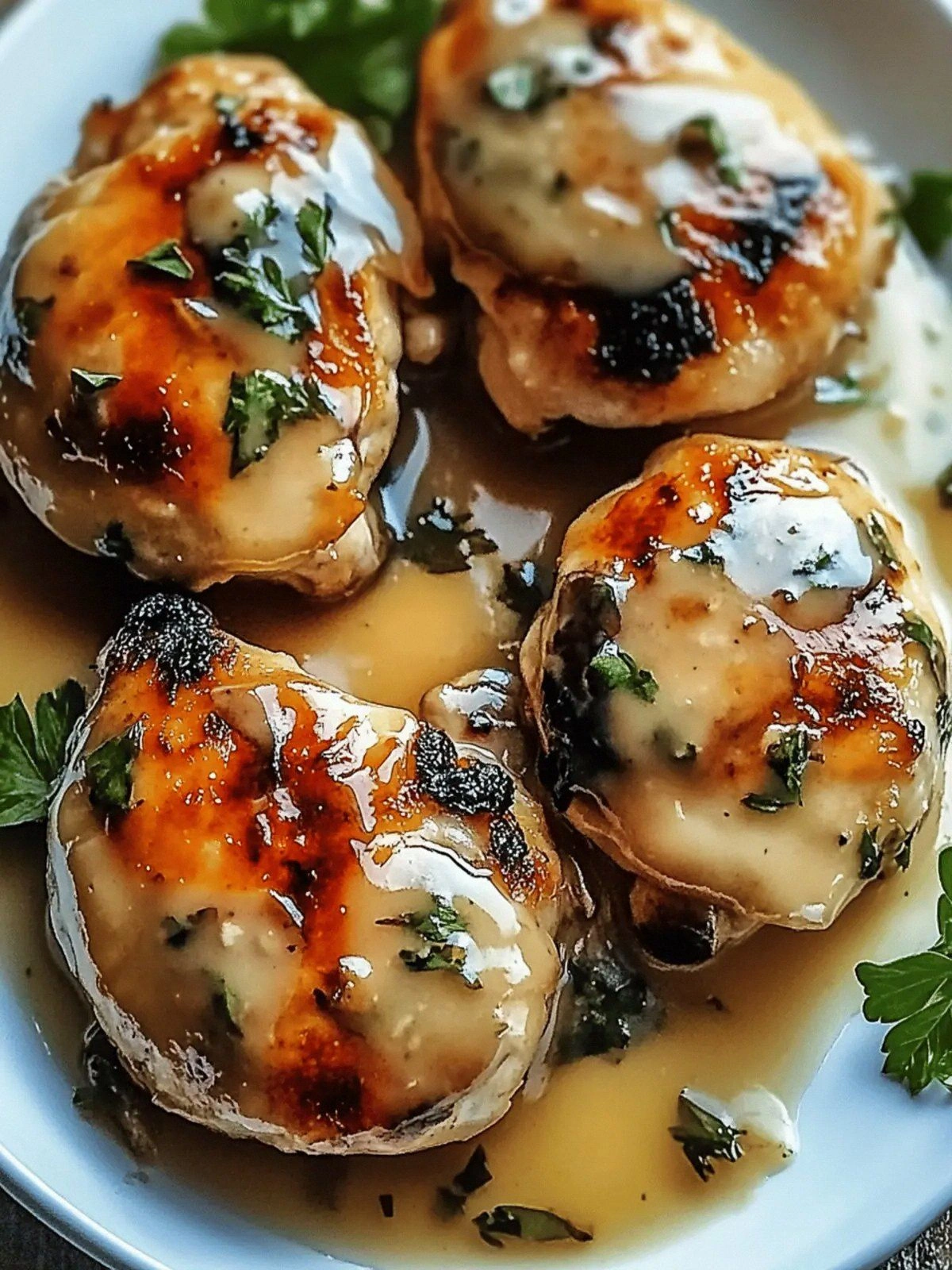
- Return the seared chicken to the pan, spooning some sauce over the top. Reduce the heat to low, cover, and let the chicken simmer in the sauce for 5–7 minutes. The chicken should be cooked through (internal temperature 165°F) and the sauce should have thickened to coat the back of a spoon. This step allows the flavors to meld, creating a unified, silky sauce.
- Stir in the 2 tablespoons of lemon juice and 1 tablespoon of fresh herbs. The lemon will brighten the dish, and the herbs will add a fresh, green note. Taste and adjust seasoning with salt and pepper as needed. The sauce should be a harmonious balance of creamy, citrusy, and herbaceous.
- Serve immediately over a bed of rice, pasta, or sautéed greens. Garnish with a sprinkle of fresh herbs and a drizzle of olive oil if desired. The dish should look glossy, the sauce shimmering around the chicken, and the aroma should be invitingly buttery with a citrus kick.
- If you’re plating for a crowd, keep the sauce warm on the stove or in a slow‑cooker set to low. This prevents it from thickening too much as it sits. Remember, the sauce is the star—don’t let it lose its silky texture.
That’s it—you did it. But hold on, I’ve got a few more tricks that will take this to another level.
Insider Tricks for Flawless Results
The Temperature Rule Nobody Follows
Cooking the chicken at the right temperature is crucial. Many people start on high heat and end up over‑cooking the outside while the inside stays underdone. I’ve found that a medium‑high heat for searing followed by a low simmer for the sauce ensures even cooking and a juicy interior. The trick is to let the pan heat up properly before adding the chicken—this creates a sear that locks in moisture.
Why Your Nose Knows Best
Smell is a powerful indicator of flavor development. When the roux starts to turn a golden hue, the aroma will shift from raw flour to nutty, almost toasted. That scent is your cue to add the broth slowly. If you skip this step, the sauce might be too thick or too thin. Trust your nose; it’s the best guide for the perfect sauce.
The 5‑Minute Rest That Changes Everything
After cooking, let the chicken rest for 5 minutes before cutting. This allows the juices to redistribute, making each bite tender and flavorful. Cutting into the chicken immediately will cause the juices to escape, leaving the meat dry. I always set a timer for 5 minutes and then slice with a sharp knife for a clean presentation.
The Fresh Herb Boost
If you’re using dried herbs, use only half the amount suggested for fresh herbs. Dried herbs are concentrated, and over‑herbifying can overwhelm the delicate creaminess. A small pinch of dried thyme or parsley works wonders, especially if you’re short on fresh herbs.
The Butter Switch
If you’re looking to cut calories, replace half the butter with a neutral oil like grapeseed or canola. The flavor will change slightly, but the sauce will still be creamy and rich. If you prefer a buttery taste, stick with butter; it’s the secret to that luxurious mouthfeel.
Creative Twists and Variations
This recipe is a playground. Here are some of my favorite ways to switch things up:
Garlic‑Infused Cream
Roast the garlic cloves before adding them to the sauce for a sweet, caramelized flavor that pairs beautifully with the lemon. This adds depth and a subtle sweetness that contrasts the acidity.
Spinach & Mushroom Swirl
Sauté sliced mushrooms and fresh spinach in the same pan before adding the sauce. The earthy mushrooms and vibrant spinach bring color and a new layer of flavor that makes the dish feel like a hearty lunch.
Spicy Kick
Add a pinch of red pepper flakes or a splash of hot sauce to the sauce. The heat will cut through the richness and give the dish a lively, adventurous edge.
Pesto Twist
Stir in a spoonful of basil pesto before adding the cream. The pesto adds a herby, nutty flavor that transforms the sauce into a Mediterranean‑inspired delight.
Citrus Swap
Replace lemon juice with orange or lime juice for a different citrus profile. Orange gives a sweeter, fruitier note, while lime adds a sharper, more vibrant acidity.
Cheese Lover’s Edition
Fold in a handful of grated Parmesan or shredded mozzarella at the end of cooking. The cheese melts into the sauce, creating a gooey, decadent texture that’s perfect for a comfort‑food craving.
Storing and Bringing It Back to Life
Fridge Storage
Cool the dish completely before transferring it to an airtight container. Store in the refrigerator for up to 3 days. When reheating, add a splash of water or broth to restore moisture and prevent the sauce from thickening too much.
Freezer Friendly
For longer storage, freeze the dish in a freezer‑safe container for up to 2 months. Thaw overnight in the refrigerator, then reheat gently on the stove, adding a bit of water or cream to loosen the sauce. The flavor remains intact, and the texture stays silky.
Best Reheating Method
Reheat on low heat, stirring frequently. If the sauce thickens, add a small amount of water or broth to reach the desired consistency. Finish with a dash of fresh herbs and a squeeze of lemon to bring back the brightness.