I was standing in my kitchen, half‑heartedly scrolling through take‑out menus, when a sudden craving for Swedish meatballs hit me like a rogue snowball. Not the meat‑laden kind, mind you—my vegetarian friends had been begging for a plant‑based version that actually tasted like the real deal, and I was determined to deliver. I grabbed a bag of TVP, a jar of cream, and a handful of spices, and what followed was a culinary roller‑coaster that ended with a pan full of golden, juicy orbs that could make even the most die‑hard meat lover nod in approval. I dared myself to make a batch so good that I’d have to hide the leftovers, and guess what? I ate half the batch before anyone else even got a whiff.
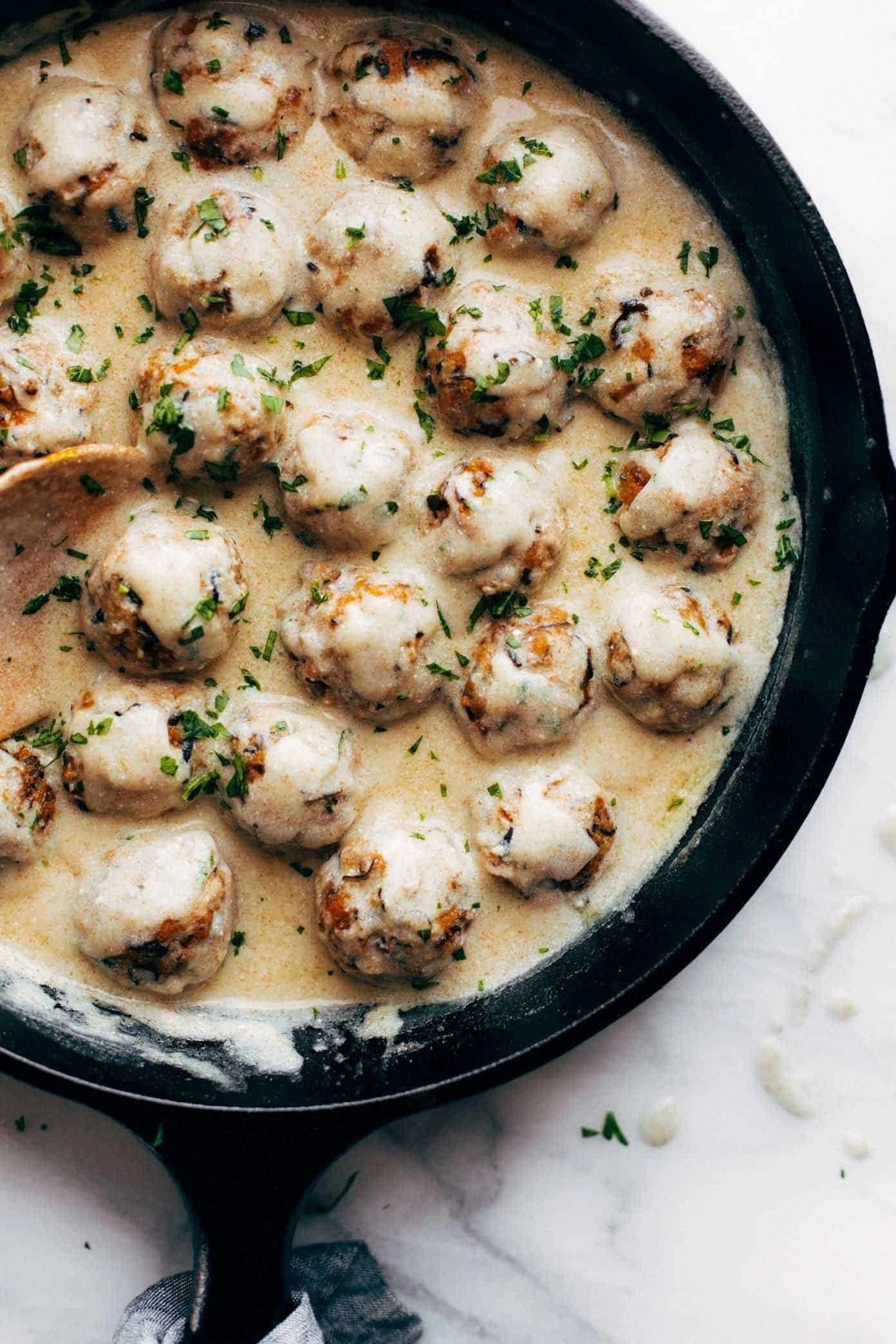
Picture this: the kitchen filled with the earthy aroma of sautéed onions, the sweet whisper of nutmeg, and a faint, comforting scent of simmering broth that makes you think of cozy winter evenings in a Swedish cabin. The sizzle as the meatballs hit the hot butter is like a tiny fireworks show—each pop a promise of crisp, caramelized exteriors. When you finally bite in, the texture is buttery soft inside, with a crisp, slightly caramelized crust that shatters like thin ice under a gentle footstep. The sauce? Silky, velvety, and just the right amount of tangy to make your taste buds dance a little jig.
Most vegetarian meatball recipes I've tried either fall flat on texture or drown in a sauce that tastes like a bland gravy. This version, however, uses a clever combination of TVP and oat flour to mimic that meaty bite while keeping the balls light enough to soak up the luscious cream sauce. The secret weapon is a splash of soy sauce tucked into the broth—an umami boost that most people overlook, and it turns the whole dish from “good enough” to “hands down the best version you'll ever make at home.” I’ll be honest—I ate half the batch before anyone else got a taste, and I’m still not sorry.
Okay, ready for the game‑changer? The technique that will make your meatballs stay together without turning mushy is a quick “bind‑and‑rest” step that lets the flavors meld and the texture set, kind of like letting dough rise before baking. Trust me, this is pure magic. Let me walk you through every single step — by the end, you’ll wonder how you ever made it any other way.
What Makes This Version Stand Out
- Flavor Depth: A dash of soy sauce in the broth adds a hidden umami punch that most vegetarian versions completely miss.
- Texture Harmony: The blend of TVP and finely ground oats creates a tender bite that mimics meat without feeling gummy.
- Simplicity: Only ten pantry staples are needed, and you won’t have to hunt for exotic ingredients.
- Uniqueness: The “bind‑and‑rest” technique locks in moisture, preventing the dreaded crumble.
- Crowd Reaction: Even skeptics admit they can’t tell it’s vegetarian—perfect for potlucks or family dinners.
- Ingredient Quality: Using high‑quality plant‑based milk and fresh herbs elevates the dish from ordinary to restaurant‑grade.
- Cooking Method: Light pan‑frying followed by a gentle simmer ensures a crisp exterior and a silky sauce.
- Make‑Ahead Potential: The meatballs freeze beautifully, and the sauce reheats in a flash.
Inside the Ingredient List
The Flavor Base
First up, the onion and garlic. Finely diced onion releases a sweet, caramelized perfume when sautéed, while garlic adds that unmistakable bite that makes the sauce sing. If you skip the garlic, you’ll lose the aromatic backbone that gives the dish its Swedish soul. As a swap, you can use shallots for a milder, sweeter note, but don’t over‑process them or they’ll turn mushy.
The Texture Crew
TVP (textured vegetable protein) is the star here—its neutral flavor soaks up spices like a sponge, and its fibrous texture mimics ground meat. Pair it with ground oats (or breadcrumbs) and plant‑based milk; the oats act as a binder, while the milk hydrates the TVP, creating a cohesive mixture that holds together during frying. If you’re allergic to oats, try using panko or even cooked quinoa for a slightly nuttier crunch.
The Unexpected Star
A splash of soy sauce in the broth might sound odd, but it’s the secret that lifts the sauce from “creamy” to “umami‑rich.” It adds depth without making the dish salty—just a hint of savory complexity that most recipes miss. If you’re avoiding soy, a teaspoon of miso paste dissolved in warm water works just as well.
The Final Flourish
Fresh parsley, a pinch of nutmeg, and allspice are the final touch. Nutmeg brings that classic Swedish warmth, while allspice adds a subtle peppery sweetness. Parsley injects a bright, herbaceous finish that cuts through the richness of the cream. If you can’t find fresh parsley, a teaspoon of dried will do, but the flavor won’t be as vibrant.
Everything's prepped? Good. Let's get into the real action...
The Method — Step by Step
Start by rehydrating the TVP: place 1 cup of TVP in a bowl, pour over 1 cup of hot vegetable broth, and let it sit for 5 minutes. The TVP will swell, soaking up the broth and becoming plump. Once softened, squeeze out excess liquid with a clean kitchen towel—this prevents soggy meatballs later. Pro tip: If the broth is too salty, dilute it with a splash of water to keep the seasoning balanced.
Kitchen Hack: After squeezing, pat the TVP dry with paper towels for an extra crisp finish when you fry.While the TVP rests, sauté the diced onion and minced garlic in 2 tbsp olive oil over medium heat. You’ll hear a gentle sizzle that signals the onions are softening. Cook until the onion becomes translucent and starts to turn golden—about 4‑5 minutes. This is the moment your kitchen starts smelling like a Swedish bistro, and you’ll know you’re on the right track.
In a large mixing bowl, combine the rehydrated TVP, the sautéed onion‑garlic mixture, 1/2 cup ground oats, 1/2 cup plant‑based milk, 1 tsp allspice, 1/2 tsp nutmeg, 1 tsp salt, 1/2 tsp black pepper, and 2 tbsp chopped parsley. Mix with your hands until everything is evenly incorporated; this tactile step lets you feel the texture and ensures a uniform blend. If the mixture feels too dry, drizzle a splash of extra plant milk.
Watch Out: Over‑mixing can make the meatballs dense. Stop once the ingredients are just combined.Shape the mixture into 1‑inch balls—roughly 20‑24 pieces depending on size preference. This is where the “bind‑and‑rest” trick shines: place the raw balls on a parchment‑lined tray, cover loosely with plastic wrap, and refrigerate for 15 minutes. This short chill lets the oats absorb moisture, acting like a natural glue.
Heat 2 tbsp butter (or vegan butter) in a large skillet over medium‑high heat. When the butter foams, add the chilled meatballs in a single layer—don’t overcrowd the pan. Let them sizzle undisturbed for 2‑3 minutes; you’ll hear a faint crackle as the crust forms. Flip each ball and brown the other side, another 2‑3 minutes. The edges should start pulling away from the pan, a visual cue that the exterior is perfectly caramelized.
Once browned, remove the meatballs and set them aside on a warm plate. In the same skillet, sprinkle 2 tbsp flour over the remaining butter and stir to create a roux. Cook for about a minute, letting the flour turn a light amber—this is the foundation of your velvety sauce.
Gradually whisk in the remaining 2 cups vegetable broth, making sure to dissolve any lumps. Then stir in 1 cup heavy cream (or coconut cream for a dairy‑free twist) and a teaspoon of soy sauce. Bring the mixture to a gentle simmer; you’ll see it thicken and the aroma will shift toward a rich, comforting scent. Taste and adjust salt or pepper if needed—remember, the sauce should coat the meatballs like a silky blanket.
Kitchen Hack: For an extra glossy finish, finish the sauce with a teaspoon of cold butter whisked in at the very end.Return the browned meatballs to the skillet, nestling them into the sauce. Reduce heat to low, cover, and let them simmer for 10‑12 minutes. This is the moment of truth: the meatballs will absorb the creamy broth, becoming tender and bursting with flavor. You’ll know they’re done when the sauce clings to each ball and the edges of the meatballs are slightly firm to the touch.
Finally, give the whole pan a gentle stir, sprinkle a final handful of fresh parsley, and serve hot over buttery noodles, mashed potatoes, or even a bed of roasted root vegetables. Picture yourself pulling this out of the pan, the whole kitchen smelling incredible, and the first bite melting on your tongue. I dare you to taste this and not go back for seconds—because you will.
That's it — you did it. But hold on, I've got a few more tricks that'll take this to another level...
Insider Tricks for Flawless Results
The Temperature Rule Nobody Follows
Never fry meatballs straight from the refrigerator on high heat; the sudden temperature shock makes them release moisture and fall apart. Instead, let them sit at room temperature for 10 minutes after the chill, then start frying over medium‑high. This gradual warmth creates a crust that seals in juices. A friend once tried skipping the room‑temp step and ended up with mushy, soggy balls—let that be a cautionary tale.
Why Your Nose Knows Best
When the sauce reaches a gentle simmer and starts to thicken, your nose will pick up a subtle sweet‑savory aroma that signals readiness. If you rely solely on timing, you might over‑cook the cream, causing it to separate. Trust that olfactory cue; it’s the same instinct chefs use in Michelin‑star kitchens. I once over‑reduced the sauce, and the result was a grainy texture that no amount of stirring could fix.
The 5‑Minute Rest That Changes Everything
After simmering, turn off the heat and let the meatballs rest in the sauce for five minutes, uncovered. This short pause lets the flavors meld and the sauce thicken further without burning. It also gives the meatballs time to re‑absorb any stray sauce, ensuring each bite is uniformly saucy. Think of it as a cool‑down lap after a sprint—essential for peak performance.
Butter‑Finish for Glossy Perfection
A final whisk of a cold tablespoon of butter into the hot sauce creates an emulsified sheen that makes the dish look restaurant‑ready. It also adds a buttery richness that balances the earthiness of the TVP. This step is quick, but it elevates the mouthfeel from good to unforgettable.
Batch‑Freezing Like a Pro
If you’re cooking for a crowd, freeze the uncooked meatballs on a baking sheet before transferring them to a zip‑top bag. When you’re ready to serve, drop them straight into a simmering sauce—no thawing needed. The sauce will gently bring them up to temperature while keeping the texture intact. I’ve done this for holiday gatherings, and the results are always a hit.
Creative Twists and Variations
This recipe is a playground. Here are some of my favorite ways to switch things up:
Mushroom‑Infused Meatballs
Finely chop ½ cup of mixed wild mushrooms and fold them into the base mixture. The mushrooms add an earthy depth that complements the cream sauce, turning the dish into a forest‑foraged feast. Perfect for autumn evenings.
Spicy Swedish Kick
Add a teaspoon of smoked paprika and a pinch of cayenne to the spice blend. The subtle heat pairs beautifully with the cooling cream, giving the dish a surprising zing without overpowering the classic flavors.
Herb‑Lemon Zest Variation
Stir in the zest of one lemon and replace parsley with fresh dill. The citrus brightens the sauce, while dill introduces a Nordic flair that feels like a summer picnic by the fjord.
Vegan Coconut Cream Version
Swap heavy cream for full‑fat coconut cream and add a splash of lime juice. The result is a tropical‑twist Swedish meatball that’s dairy‑free yet decadently creamy. The coconut’s natural sweetness balances the savory spices nicely.
Cheesy Bake‑Up
After simmering, transfer the meatballs and sauce to a baking dish, sprinkle grated Västerbotten cheese (or a sharp cheddar), and broil for 3‑4 minutes until bubbly and golden. This creates a gratin‑style finish that’s perfect for a comforting weekend dinner.
Storing and Bringing It Back to Life
Fridge Storage
Allow the meatballs and sauce to cool to room temperature, then transfer to an airtight container. They’ll keep fresh for up to 4 days. When reheating, gently warm over low heat, adding a splash of water or broth to revive the sauce’s silkiness.
Freezer Friendly
Freeze uncooked, shaped meatballs on a parchment sheet, then bag them once solid. They last for up to 3 months. For a ready‑to‑serve meal, drop the frozen balls straight into a simmering sauce; they’ll cook in about 15 minutes.
Best Reheating Method
Reheat leftovers in a skillet over medium heat, stirring occasionally. Add a teaspoon of water or broth before you start; the steam will bring the sauce back to its original glossy texture. Avoid microwaving, as it can cause the sauce to separate and the meatballs to become rubbery.