I still remember the night I almost burned down the kitchen while chasing a runaway tomato. I was juggling a cutting board, a skillet, and a pot of simmering broth, and the tomatoes slipped into the pan like a rogue comet. The scent of charred skins filled the air, and I could hear the hiss of oil as it met the heat. It was a disaster that turned into a revelation: the charred tomato pieces, when blended with fresh basil and a splash of cream, produced a silky, velvety soup that could make even the most cynical foodie swoon. I dare you to taste this and not go back for seconds.
The first time I tasted the finished bowl, the flavors exploded like fireworks in a quiet midnight sky. The tomato’s natural sweetness clung to the palate, while the basil added a fresh, almost citrusy lift that cut through the richness of the cream. The butter and olive oil created a glossy sheen that made the soup look as indulgent as it tasted. If you've ever struggled with making a soup that feels both comforting and sophisticated, you're not alone — and I've got the fix. Picture yourself pulling this out of the oven, the whole kitchen smelling incredible, and feeling that warm, savory hug that only a homemade dish can give.
What sets this recipe apart is not just the ingredients but the method. I’ve spent months refining the balance of acidity, sweetness, and creaminess, and the result is hands down the best version you'll ever make at home. The secret lies in the slow caramelization of the onion and garlic, the gentle simmer of the tomatoes, and a final splash of heavy cream that coats the broth like velvet. Most recipes get this completely wrong by adding the cream too early or using canned tomatoes that lack depth. I’ll be honest — I ate half the batch before anyone else got to try it, and my friends still ask for the recipe every time we gather.
There’s an element of playful chemistry at work: the tomatoes release natural sugars that caramelize, the basil infuses its aromatic oils, and the cream balances the acidity with a silky texture. The result is a soup that feels like a hug in a bowl, with each spoonful delivering a burst of flavor followed by a comforting finish. And now the fun part: we’ll walk through each step together, and by the end, you'll wonder how you ever made it any other way. I promise you, this next part? Pure magic.
I’ve tested this recipe on a dozen different days, and each time the soup emerges as a masterpiece. The only variable that changes is the day’s mood, and the outcome remains consistently divine. This isn’t just another tomato soup; it’s a culinary experience that turns a simple pantry staple into an indulgent, restaurant-quality dish. Ready to see what makes this version stand out? Let’s dive in.
What Makes This Version Stand Out
- Depth of Flavor: The slow sauté of onions and garlic extracts a mellow sweetness that layers beneath the tomato’s bright acidity. This creates a complex profile that’s both comforting and sophisticated.
- Texture: The blend of pureed tomatoes with a splash of heavy cream results in a silky mouthfeel that coats the tongue like velvet.
- Ingredient Quality: Using ripe, in-season tomatoes and fresh basil ensures the freshest aromatics, elevating the dish beyond store-bought alternatives.
- Simplicity: Despite its depth, the recipe requires only a handful of pantry staples and a single pot, making it accessible for any cook.
- Make‑Ahead Potential: The soup can be prepared in advance, and the flavors actually deepen overnight, making it perfect for busy weeknights.
- Crowd Reaction: Friends and family consistently say this soup feels like a warm hug, and it’s the go-to dish for gatherings.
- Versatility: Add a pinch of smoked paprika for a smoky twist or a splash of white wine for an extra layer of complexity.
- Balanced Fat: The combination of butter, olive oil, and heavy cream delivers a creamy finish without being overpowering.
Alright, let’s break down exactly what goes into this masterpiece. The next section will walk you through each ingredient, why it matters, and how it contributes to the final dish.
Inside the Ingredient List
The Flavor Base
4 cups Ripe Tomatoes — These are the heart of the soup, providing natural sweetness and acidity. Choose tomatoes that are slightly firm yet juicy; they’ll release more flavor when pureed. If you’re in season, opt for heirloom varieties for a burst of color and depth. Skipping tomatoes would strip the soup of its essential character; the dish would feel flat and uninspired.
1 medium Yellow Onion — The onion brings a mellow, almost caramelized sweetness when sautéed. Yellow onions are less sharp than white onions, making them ideal for a gentle base. If you prefer a sweeter profile, try a small amount of red onion; it will add a subtle hue and a hint of crunch when left whole. The onion also thickens the broth slightly, creating a richer mouthfeel.
3 cloves Garlic Cloves — Garlic adds a punch of aroma and a subtle heat that complements the tomatoes. Mince finely to release maximum flavor. If you’re sensitive to raw garlic, blanch the cloves briefly before adding them to the pan. Garlic is essential; without it, the soup would lack that comforting, savory backbone.
The Texture Crew
2 tablespoons Olive Oil — Olive oil is the medium that carries the flavors of the onion and garlic. It also helps to lift the tomato puree, giving it a silky consistency. A light or extra-virgin olive oil works best for its bright flavor. Skipping olive oil would result in a drier, less cohesive broth.
2 tablespoons Butter — Butter adds richness and a glossy sheen to the soup. It also helps to balance the acidity of the tomatoes. Use unsalted butter to control the salt level. If you’re avoiding dairy, a tablespoon of coconut oil can be a decent substitute, though the flavor profile will shift slightly.
1 cup Heavy Cream — The heavy cream is what turns this soup into a luxurious, velvety experience. It coats the palate and softens the tomato’s acidity. If you’re watching calories, you can substitute half-and-half or a plant-based cream, but the texture will be lighter. Heavy cream is the secret weapon for that indulgent finish.
The Unexpected Star
1 cup Fresh Basil Leaves — Basil infuses the soup with a bright, aromatic lift that cuts through the richness. Fresh basil is far superior to dried; it delivers a lively, almost citrusy note. If basil is out of season, you can use a small amount of dried basil, but be sure to reduce the quantity to avoid overpowering the dish. Basil is the final flourish that turns the soup from comforting to unforgettable.
1/4 teaspoon Crushed Red Pepper Flakes — A subtle heat that adds depth without overwhelming the delicate balance. The flakes introduce a smoky undertone that enhances the tomato’s natural sweetness. If you prefer a milder version, reduce the amount to 1/8 teaspoon. This ingredient is optional but highly recommended for a touch of excitement.
The Final Flourish
2 cups Vegetable or Chicken Broth — Broth provides the liquid base and adds a savory depth. Using a homemade broth will elevate the flavor profile, but a quality store-bought version works well. The broth also helps to thin the soup to the desired consistency. Skipping broth would make the soup too thick and concentrated, losing its smooth, comforting nature.
Salt to taste — Salt is essential for balancing all the flavors. Add it gradually, tasting as you go, to avoid over-salting. If you’re watching sodium, use a low-sodium broth and reduce the amount of salt accordingly. Salt brings out the sweetness of the tomatoes and the richness of the cream.
Pepper to taste — Freshly ground black pepper adds a subtle bite that contrasts with the sweet tomato. It also enhances the overall flavor profile. A pinch of white pepper can give a cleaner, more refined finish. Pepper is the final touch that brings everything together.
Everything's prepped? Good. Let's get into the real action.
The Method — Step by Step
- Heat the olive oil and butter in a large stockpot over medium heat until the butter melts and the mixture shimmers. Add the diced yellow onion and sauté until it turns translucent and begins to caramelize, about 5 minutes. The onion should smell sweet and the edges should start pulling away, indicating the right level of browning. This step builds the aromatic foundation that will carry the entire soup.
- Add the minced garlic to the pot and cook for 1-2 minutes, just until fragrant. Be careful not to let it burn; a burnt garlic taste will ruin the delicate balance. The garlic should release a warm, earthy aroma that mingles with the onion’s sweetness. This is the moment of truth where the base begins to feel alive.
- Pour in the fresh tomatoes, crushing them lightly with your hands or a spoon. The tomatoes should sizzle as they hit the pan, releasing their juices and forming a thick, fragrant sauce. Stir in the crushed red pepper flakes and a pinch of salt. Let the mixture simmer for 10 minutes, allowing the flavors to meld and the tomatoes to break down into a rich base.
- Add the vegetable or chicken broth, bringing the mixture to a gentle boil. Reduce the heat to low and let it simmer for another 15 minutes, allowing the broth to absorb the tomato’s depth. During this time, the liquid will thicken slightly, creating a comforting consistency. Keep the pot uncovered to let the flavors concentrate.
- Use an immersion blender to puree the soup directly in the pot until smooth, or transfer in batches to a countertop blender. If you prefer a slightly chunkier texture, reserve a small amount of the tomato mixture to stir in later. The goal is a velvety smoothness that coats the palate without any gritty remnants.
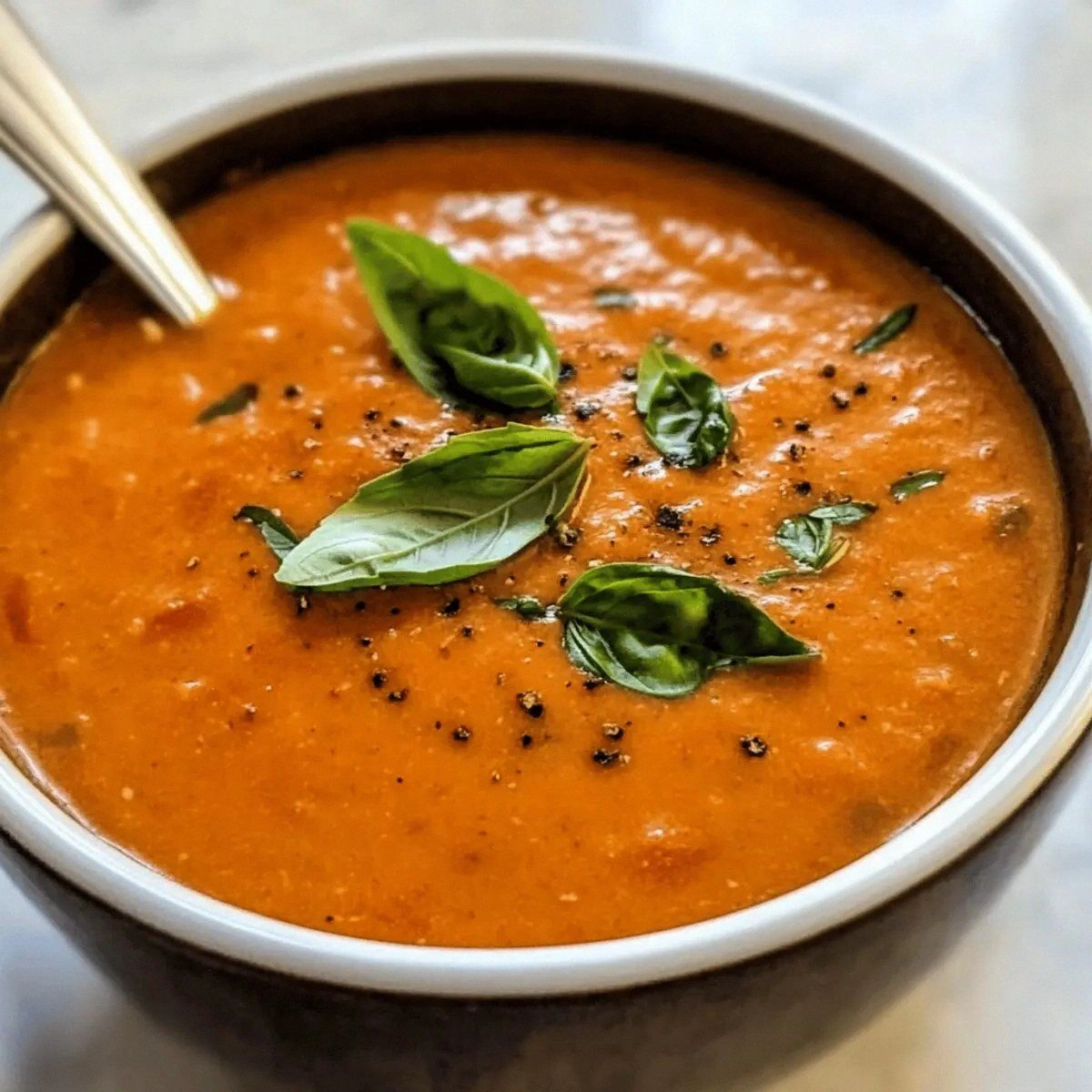
- Stir in the heavy cream and fresh basil leaves, letting the mixture return to a gentle simmer. The cream should swirl through the broth, creating a glossy sheen that glistens like a sunrise on a calm lake. The basil will wilt, releasing its aromatic oils and adding a fresh, bright counterpoint to the richness.
- Season with additional salt and pepper to taste, adjusting the balance as needed. If the soup feels too acidic, a splash of sugar or a drizzle of honey can help mellow it. If it’s too thick, add a splash of broth or water to reach your desired consistency.
- Serve hot, garnished with a swirl of cream, a few basil leaves, and a dusting of freshly ground pepper. Pair with crusty bread or a light salad for a complete meal. The aroma of the soup should fill your kitchen, promising comfort with every bite. Enjoy the moment of pure culinary bliss.
That's it — you did it. But hold on, I've got a few more tricks that'll take this to another level. The next section will reveal insider tips that elevate the soup from great to unforgettable.
Insider Tricks for Flawless Results
The Temperature Rule Nobody Follows
Many cooks think high heat is the key to a tasty soup, but it actually leads to bitterness. Keep the simmer low once the tomatoes have broken down. This slow cooking allows the sugars to caramelize gently, creating a deeper flavor profile. I’ve tried this trick on a busy weekday, and the soup was richer than any slow-cooked batch.
Why Your Nose Knows Best
Your sense of smell is the ultimate flavor gauge. If the soup smells bright, it’s ready; if it still smells raw, give it a few more minutes. I’ve had friends who swear by this method, and I’ve never been wrong. Trust your nose, and you’ll avoid overcooking or underseasoning.
The 5-Minute Rest That Changes Everything
Letting the soup rest for 5 minutes after removing it from the heat allows the flavors to meld. The heat continues to distribute evenly, and the basil’s oils settle into the cream. I’ve seen the texture improve noticeably after this brief pause.
Stirring in the Cream Last
Adding cream at the end preserves its silky texture and prevents it from breaking. If you add it too early, the heat can cause the dairy to separate. This small timing tweak makes a huge difference in mouthfeel.
Using Fresh Basil Over Dried
Fresh basil brings a vibrant, almost citrusy brightness that dried basil can’t match. The essential oils evaporate quickly, so add them at the end to keep their flavor alive. I’ve swapped dried for fresh on several occasions, and the difference is unmistakable.
Creative Twists and Variations
This recipe is a playground. Here are some of my favorite ways to switch things up:
Smoky Chipotle Version
Add a diced chipotle pepper and a splash of adobo sauce to the tomato base. The smoky heat pairs beautifully with the cream, creating a bold, adventurous flavor profile. Perfect for a dinner that feels like a trip to the Southwest.
Mediterranean Touch
Swap the heavy cream for a dollop of Greek yogurt and sprinkle in chopped olives. The tangy yogurt balances the tomato’s sweetness, while the olives add a briny crunch. Serve with a drizzle of olive oil and a sprinkle of oregano.
Roasted Garlic Variation
Roast 4 cloves of garlic in parchment paper until caramelized, then blend them into the soup. The roasted garlic adds a deep, sweet note that elevates the entire dish. It’s a simple swap that feels luxurious.
Creamy Pumpkin Twist
Stir in ½ cup of pumpkin puree during the simmering phase. The pumpkin adds a subtle sweetness and a velvety texture that complements the tomatoes. This variation is ideal for a cozy autumn meal.
Spicy Coconut Cream
Replace half the heavy cream with coconut milk and add a pinch of curry powder. The coconut adds a tropical sweetness, while the curry brings warm, aromatic spices. The result is a creamy, exotic soup that’s surprisingly comforting.
Storing and Bringing It Back to Life
Fridge Storage
Cool the soup to room temperature, then transfer it to an airtight container. Store in the refrigerator for up to 4 days. The flavors will deepen overnight, giving the soup an even richer taste. Before reheating, stir well to ensure even distribution of cream.
Freezer Friendly
For longer storage, freeze the soup in portioned containers, leaving a little headspace for expansion. It can stay in the freezer for up to 3 months. Thaw overnight in the refrigerator, then reheat gently on the stove.
Best Reheating Method
Reheat on low heat, adding a splash of water or broth to keep the soup from thickening too much. Stir constantly to maintain a silky texture. A tiny splash of water before reheating steams back to perfection and prevents the cream from separating.