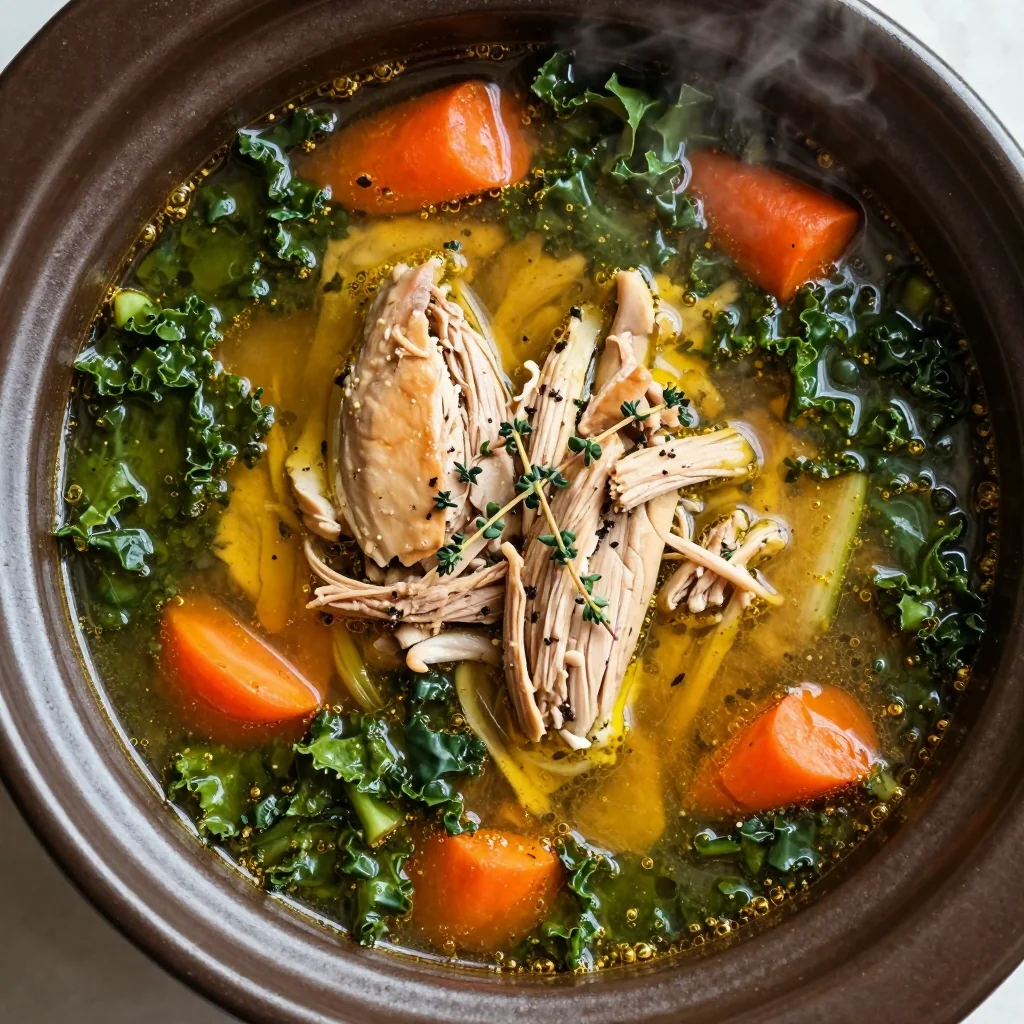
I still remember the first time I made Thai Chicken Curry Soup. It was one of those gray, drizzly Tuesdays that makes you want to crawl under a blanket and hibernate until spring. My fridge was practically empty except for some chicken, half a can of coconut milk, and a jar of red curry paste I'd bought on a whim. I was cold, cranky, and absolutely convinced I was about to create the most depressing dinner of my life. Fast forward forty-five minutes, and I was standing over my stove, spoon in hand, slurping what might have been the most soul-warming soup to ever grace my kitchen. The aroma had floated through every room like an invitation, drawing my roommate out of her cave with the classic question, "What smells so incredible?" That first spoonful was a revelation — creamy, spicy, tangy, and somehow both comforting and exciting at the same time.
Since that accidental masterpiece, I've become obsessed with perfecting this Thai Chicken Curry Soup. I've tested dozens of variations, from fancy restaurant versions to sad cafeteria attempts, and I've discovered what actually works versus what sounds good on paper. Most recipes get the balance completely wrong — they're either timid and bland or so aggressively spicy that you can't taste anything else. This version? It's the Goldilocks of curry soups. The broth is luxuriously silky from coconut milk and peanut butter, but it doesn't sit in your stomach like a brick. The heat builds slowly, warming your throat without making you reach for a fire extinguisher. And the chicken stays impossibly tender because of a simple technique that takes zero extra time but makes all the difference.
Here's what I love most about this soup: it feels like you spent hours crafting something special, but you can absolutely pull it off on a weeknight when you're running on fumes. The ingredients list looks long, but it's mostly pantry staples you probably already have. Once you start cooking, everything moves fast — sizzling aromatics, bubbling broth, noodles slurping up flavor. Before you know it, you're ladling what looks like liquid sunshine into bowls and watching people's eyes go wide with that first taste. I've served this to Thai food skeptics who claimed they "didn't like curry" and watched them go back for thirds. I've made it for dinner parties where guests hovered around the pot like moths to a flame. I've even frozen portions for future me, only to receive grateful texts from myself at 2 AM after a particularly rough day.
What makes this version different from every other Thai curry soup on the internet? I'm glad you asked. We're going to toast the curry paste until it blooms into something magical, use a sneaky ingredient that adds depth without anyone being able to pinpoint it, and finish with a squeeze of lime that transforms everything from good to absolutely unforgettable. By the end of this, you'll have a restaurant-quality soup that costs a fraction of takeout and tastes better than most places I've tried in Bangkok. Picture yourself pulling this together after work, the kitchen filling with that intoxicating smell, knowing you're about to sit down to something that'll make you close your eyes and sigh with contentment. Let me walk you through every single step — by the end, you'll wonder how you ever made it any other way.
What Makes This Version Stand Out
Flavor Bomb: Most curry soups taste flat and one-note, but this one builds layers like a symphony. We start with toasted curry paste that releases essential oils, add peanut butter for nutty richness, then finish with lime juice that makes every ingredient sing. The result is complex but balanced — you'll taste sweet, salty, spicy, and tangy in every spoonful.
Chicken That Actually Tastes Like Something: Forget dry, stringy chicken that sits there like a sad protein obligation. We season and sear the chunks first, creating caramelized edges that stay tender even after simmering. The chicken absorbs the curry broth like little flavor sponges, so every bite explodes with taste instead of just providing texture.
Weeknight Friendly: Despite tasting like you spent hours perfecting it, this whole operation takes under an hour from prep to table. While the soup simmers, your noodles cook in the same pot, saving dishes and time. I've made this after 10 PM on a Tuesday and still had time to binge-watch my shows.
Restaurant Quality, Home Kitchen Budget: That $14 bowl from your local Thai place? You can make four generous servings for less than the cost of one takeout order. Plus, you control everything — no mystery MSG headaches or skimpy protein portions that leave you hungry an hour later.
Customizable Heat Level: Love setting your mouth on fire? Add extra curry paste and chili oil. Prefer a gentle warmth that won't scare your spice-averse friends? Start with less paste and let people customize their bowls. The soup is naturally gluten-free and easily made vegetarian — everyone wins.
Leftovers That Get Better: Most soups degrade in the fridge, but this one marries overnight into something even more incredible. The flavors meld and deepen, making tomorrow's lunch something to anticipate rather than settle for. I've been known to hide the last portion in the back of the fridge like a squirrel hoarding nuts.
One Pot Wonder: Despite looking impressive, this entire recipe dirties exactly one pot and a cutting board. The noodles cook right in the broth, absorbing flavor instead of just being a bland base. Less dishes means more time for the important things, like actually enjoying your dinner.
Inside the Ingredient List
The Flavor Base
Thai red curry paste is the absolute star here, and not all pastes are created equal. I've tried everything from fancy imported brands to grocery store basics, and Mae Ploy or Thai Kitchen deliver the most consistent results. The paste is a concentrated explosion of lemongrass, galangal, garlic, shallots, and chilies — basically, someone already did all the hard work of balancing aromatics so you don't have to. When you open the jar, it should smell bright and complex, not just hot. If your paste is older than six months, the flavors start fading, so treat yourself to a fresh jar for this recipe.
Fresh ginger makes all the difference between a soup that tastes vibrant and alive versus one that's merely acceptable. The powdered stuff belongs in gingerbread, not here. Look for ginger that's firm and heavy for its size, with smooth skin that snaps cleanly when you bend it. Those little knobby bits might be cute, but they're a pain to grate — pick the smoothest piece you can find. Pro tip: freeze your ginger for 20 minutes before grating; it firms up and becomes easier to handle.
Garlic is non-negotiable, and I'm going to insist on fresh cloves here. The pre-minced jarred stuff tastes flat and sometimes bitter, like it gave up on life months ago. You want plump, tight cloves that feel heavy. When you press on them, they should feel solid, not hollow or soft. And please, for the love of all that's delicious, don't burn it when you're sautéing — golden and fragrant is what we're after, not bitter and acrid.
The Texture Crew
Full-fat coconut milk is what gives this soup its luxurious body. Light coconut milk is basically coconut milk that's been watered down, and it tastes like disappointment. You want the thick, creamy stuff that separates into solid cream on top. Don't shake the can — scoop off the thick cream for the beginning of cooking, then use the thinner liquid later. This trick creates different layers of coconut flavor and texture that'll make you seem like a much more sophisticated cook than you actually are.
Peanut butter might seem like an odd addition, but it's the secret weapon that makes the broth incredibly silky and adds subtle nuttiness that plays beautifully with the curry. Use the natural kind that's just peanuts and salt — the commercial stuff with added sugar and oils tastes artificial here. If you only have sweetened peanut butter, cut back on the brown sugar to balance. And if someone has a peanut allergy, almond butter works surprisingly well, though the flavor is more pronounced.
Shiitake mushrooms bring an earthy, almost meaty texture that makes this soup feel substantial. Fresh shiitakes have a smoky, garlicky flavor that's more complex than button mushrooms, and their texture holds up beautifully in hot liquid. Look for caps that are firm and dry, not slimy or wrinkled. You can use dried shiitakes in a pinch — just rehydrate them in warm water for 20 minutes and save the soaking liquid for extra mushroom flavor.
The Unexpected Star
Fish sauce is the ingredient that makes people say "I don't know what you did, but this tastes incredible." It's liquid umami — salty, funky, and absolutely essential for authentic Thai flavor. Don't skip it because you think it'll taste fishy; when used properly, it just adds depth and savoriness. Start with less than the recipe calls for if you're nervous, then adjust to taste. Vegetarian fish sauce exists if you avoid animal products, or you can substitute with soy sauce and a pinch of seaweed for similar umami impact.
Brown sugar might seem counterintuitive in a savory soup, but it's crucial for balance. Thai cuisine is all about the interplay of sweet, salty, sour, and spicy — remove any element and the whole thing falls flat. The brown sugar caramelizes slightly when it hits the hot broth, adding subtle molasses notes that round out the curry's sharp edges. Palm sugar is traditional if you can find it, but brown sugar works perfectly and you probably already have it.
The Final Flourish
Rice noodles are the traditional choice here, but mung bean vermicelli (also called glass noodles) are my secret favorite. They have this incredible ability to soak up flavors while maintaining a pleasant chewiness. If you've only had them in Asian salads, you're in for a treat — they become little flavor delivery vehicles that make each spoonful interesting. Don't overcook them or they'll turn into mush; they're done when they're translucent and pliable but still have some bite.
Fresh lime juice added at the end is what transforms this from good soup to absolutely unforgettable. The acid brightens all the other flavors and cuts through the richness of the coconut milk. Please, please use fresh limes — the bottled stuff tastes like cleaning products and will ruin all your hard work. Roll your limes on the counter before cutting to maximize juice yield, and add it right before serving for maximum impact.
Fresh Thai basil is worth seeking out if you have an Asian market nearby. It has a spicy, anise-like flavor that's completely different from sweet basil, with purple-tinged leaves that are absolutely gorgeous as a garnish. Regular basil works in a pinch, but you'll miss that distinctive Thai flavor. If you find Thai basil, buy extra and freeze it — it keeps for months and is incredible in stir-fries too.
Everything's prepped? Good. Let's get into the real action...
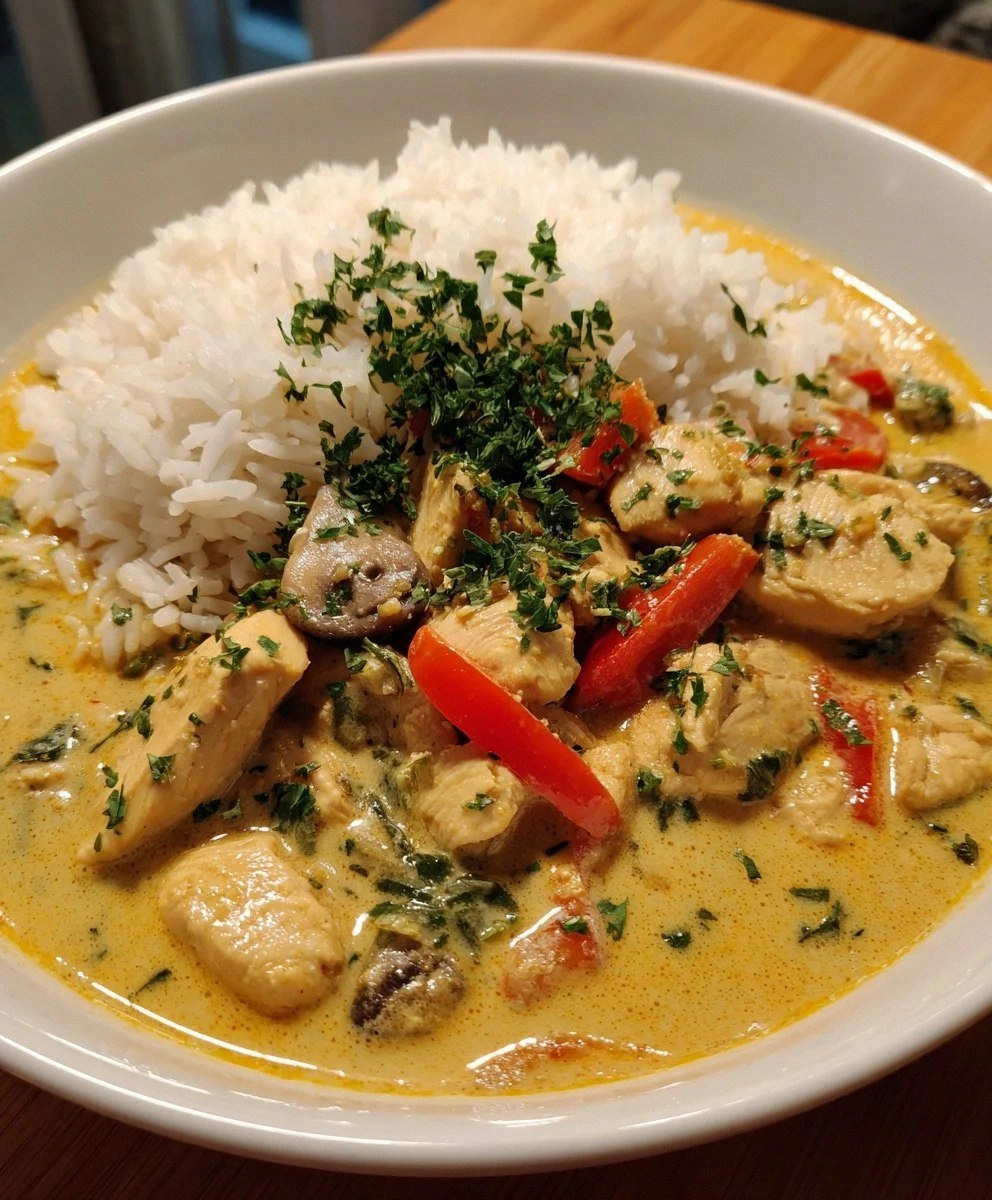
The Method — Step by Step
- Season the chicken chunks with salt, pepper, and paprika, tossing until every piece is evenly coated. This isn't just about adding flavor — the salt helps break down proteins, ensuring your chicken stays tender during cooking. Heat the oil in a large Dutch oven or heavy pot over medium-high heat until it shimmers like a mirage. Add the chicken in a single layer (work in batches if necessary) and sear until golden-brown on at least two sides, about 3-4 minutes per side. The chicken doesn't need to be cooked through yet — we're building flavor through the Maillard reaction, which is just a fancy way of saying we're creating delicious browned bits that'll season our entire soup.
- Remove the chicken to a plate and reduce heat to medium. Add the onions and cook, stirring occasionally, until they start to soften and turn translucent around the edges, about 5 minutes. This is where patience pays off — properly softened onions create a sweet, aromatic base that raw or rushed onions simply can't provide. The bottom of your pot should have beautiful fond (those browned bits) that the onions will help release as they release their moisture. If the pot looks dry, add a tiny splash of oil, but usually the chicken fat and onions provide enough liquid.
- Clear a space in the center of the pot and add the ginger and garlic. Cook for just 30-45 seconds, stirring constantly, until fragrant but not browned. Burnt garlic turns bitter and will haunt your soup like a culinary ghost, so stay vigilant here. The mixture should smell incredibly aromatic — this is when your kitchen starts smelling like a proper Thai restaurant. Once fragrant, stir everything together so the ginger and garlic distribute throughout the onions.
- Now comes the magic moment: add the curry paste and cook for 2-3 minutes, stirring constantly. This step is crucial and where most recipes go wrong — raw curry paste tastes harsh and one-dimensional. You want to cook it until it darkens slightly and becomes incredibly fragrant, almost like you're toasting spices. The oil might separate slightly, which is perfect. If it starts to stick or burn, lower the heat and add a splash of the coconut cream from the top of your can.
- Pour in the chicken broth while scraping the bottom of the pot to release all those flavorful browned bits. Add the thick coconut cream from the top of the can (reserve the thinner liquid for later), peanut butter, fish sauce, soy sauce, and brown sugar. Whisk everything together until the peanut butter melts into the broth and you have a smooth, creamy base. Bring to a gentle simmer — not a rolling boil, which can make the coconut milk separate and look curdled. The broth should be a beautiful orange-red color and smell absolutely intoxicating.
- Add the chicken back to the pot along with any accumulated juices. Reduce heat to low, cover partially, and simmer for 15 minutes. This gentle cooking ensures the chicken stays tender rather than turning into those rubbery cubes you find in bad takeout. The broth will thicken slightly as the peanut butter and coconut milk meld with the chicken stock. Give it a taste after 10 minutes — the flavors should be developing nicely, with the curry paste mellowing and the peanut butter adding body.
- Add the shiitake mushrooms and red bell pepper, then continue simmering for another 5 minutes. The mushrooms should soften but still have some bite, and the bell pepper should retain a slight crunch for textural contrast. If you're using kale, add it now since it needs more time to wilt than spinach. The vegetables should look vibrant and fresh, not overcooked and sad. This is also when you add the reserved thinner coconut milk if your broth seems too thick.
- Add your noodles directly to the soup and cook according to package directions, typically 3-5 minutes. Rice noodles can go from perfectly tender to mush in what feels like seconds, so stay nearby and test frequently. They're done when they're translucent and pliable but still have a pleasant chew. If you're using glass noodles, they cook even faster — usually just 2-3 minutes. The noodles will absorb some broth as they cook, so you might need to add a splash of water or stock if it seems too thick.
- Remove from heat and stir in the lime juice and spinach (if using instead of kale). The spinach will wilt almost instantly in the hot soup, adding bright green color and fresh flavor. Give everything a final taste and adjust seasoning — you might want more fish sauce for saltiness, more lime for brightness, or more brown sugar to balance the heat. The soup should taste complex and balanced, with no single flavor dominating.
- Ladle into bowls and go wild with garnishes. I like to set out small bowls of Thai basil, roasted peanuts, scallions, and chili oil so everyone can customize their bowl. The contrast of hot soup with cool herbs and crunchy peanuts is what takes this from good to absolutely restaurant-worthy. Don't skip the garnishes — they're not just pretty, they add crucial texture and freshness that makes each spoonful interesting.
That's it — you did it. But hold on, I've got a few more tricks that'll take this to another level...
Insider Tricks for Flawless Results
The Temperature Rule Nobody Follows
Here's the thing about coconut milk-based soups: temperature is everything. Add cold coconut milk to a hot pot and it'll curdle faster than you can say "takeout." Let your coconut milk come to room temperature before cooking, and never let the soup come to a rolling boil after you've added it. Gentle simmering is your mantra here. I learned this the hard way after serving what looked like a broken science experiment to dinner guests who still remind me about "that curdled soup incident" years later.
When you're reheating leftovers, use low heat and add a splash of water or broth. The microwave works in a pinch, but heat it in 30-second bursts, stirring between each one. High heat makes the coconut proteins seize up and separate, creating an oily layer that no amount of stirring will fix. If your soup does break, you can sometimes save it by whisking in a bit of the hot broth into room-temperature coconut milk, then slowly whisking that mixture back into the soup off the heat.
Why Your Nose Knows Best
Trust your sense of smell more than the clock when cooking the curry paste. When it's properly toasted, your kitchen will fill with an incredible aroma that's both spicy and slightly sweet. If you're not sure, give it another 30 seconds — undercooked curry paste tastes raw and harsh, while overcooked paste becomes bitter and loses its complexity. The color should deepen slightly, becoming a richer red. This is one of those skills that separates good cooks from great ones, and it only takes making this recipe a few times to develop your curry paste intuition.
I keep a small jar of toasted curry paste in my fridge for quick weeknight meals. Toast double the amount you need, cool it completely, then store it with a thin layer of oil on top. It'll keep for weeks and gives you a massive head start on dinner. Just heat it up, add your liquid, and you're halfway to dinner before most people have figured out what to cook.
The 5-Minute Rest That Changes Everything
After you finish cooking, let the soup rest for 5 minutes off the heat before serving. This isn't just chef nonsense — it allows the flavors to meld and the temperature to even out. The noodles will absorb some broth and become more flavorful, while the vegetables retain their vibrant color instead of overcooking in the hot liquid. Plus, you'll avoid that tongue-scalding first spoonful that ruins the experience of an otherwise perfect soup.
During this rest, prep your garnishes if you haven't already. Chop the Thai basil, crush the peanuts, slice the scallions. Having everything ready means you can serve the soup at its optimal temperature and texture. I've noticed that soups served immediately after cooking often taste disjointed, like the ingredients are still figuring out how to work together. Give them a moment to become friends, and the difference is remarkable.
The Garnish Game-Changer
Don't just sprinkle garnishes on top — think about texture and temperature contrast. I like to chill my Thai basil in ice water while the soup cooks, then spin it dry. The cold, crisp herbs against the hot soup create a temperature play that makes each spoonful more interesting. Toast your peanuts in a dry pan until fragrant before crushing them — it releases their oils and intensifies their nutty flavor. And if you're using chili oil, make your own by heating neutral oil with chili flakes, garlic, and a touch of paprika for color.
Set up a garnish bar and let people customize their bowls. Kids usually just want peanuts and scallions, while heat-seekers will pile on the chili oil and extra basil. This interactive element makes dinner more fun and ensures everyone gets their perfect bowl. Plus, it feels fancy and restaurant-y even though it takes zero extra effort.
Creative Twists and Variations
This recipe is a playground. Here are some of my favorite ways to switch things up:
Seafood Lover's Dream
Swap the chicken for shrimp and scallops, adding them in the last 3-4 minutes of cooking so they stay tender. The sweetness of seafood pairs beautifully with the curry broth, and they cook so quickly that this becomes an even faster weeknight option. Use fish stock instead of chicken broth for deeper ocean flavor, and add some lemongrass if you have it. I like to finish with extra lime and cilantro instead of Thai basil for a brighter, more coastal vibe.
Vegetarian Power Bowl
Replace chicken with cubed firm tofu that's been pressed and pan-fried until golden. Use vegetable broth and substitute soy sauce for the fish sauce — or better yet, use a vegetarian fish sauce made from seaweed and fermented soybeans. Add extra vegetables like zucchini, snap peas, and baby corn. The protein from tofu plus the noodles makes this incredibly satisfying, even for dedicated meat-lovers who claim tofu can't be filling.
Green Curry Glow-Up
Use Thai green curry paste instead of red for a completely different flavor profile — more herbal and slightly less spicy. Add some Thai eggplant and bamboo shoots for authentic texture. The green version tastes fresher and more vegetal, perfect for spring when you want something lighter but still warming. I like to add a handful of fresh cilantro stems when sautéing the aromatics for extra green flavor.
Creamy Pumpkin Version
Stir in a cup of pumpkin puree with the coconut milk for a autumnal twist that adds subtle sweetness and incredible color. The pumpkin thickens the broth naturally and adds nutrients without overwhelming the curry flavor. This version is particularly good for introducing curry flavors to kids or people who claim they don't like spicy food. Top with roasted pumpkin seeds for crunch instead of peanuts.
Spicy Noodle Challenge
Add 2-3 bird's eye chilies when sautéing the aromatics for serious heat that builds slowly. Use both red and green curry paste for complexity, and finish with a drizzle of chili crisp oil for extra texture. This version is not for the faint of heart — I dare you to taste this and not go back for seconds, even as your nose runs and your forehead sweats. Serve with ice-cold Thai iced tea to cool the burn.
Coconut-Free Alternative
For those with coconut allergies, substitute with cashew cream (soaked cashews blended with water until silky) or oat milk with a tablespoon of cashew butter. The texture won't be quite as rich, but it's still incredibly satisfying. Add extra peanut butter for richness, and consider a touch of sesame oil for nutty depth. This version tastes lighter but still delivers all the curry flavor you crave.
Storing and Bringing It Back to Life
Fridge Storage
This soup keeps beautifully in the refrigerator for up to 4 days, making it perfect for meal prep. Store the noodles separately if possible — they'll continue absorbing broth and can become mushy. If you must store them together, undercook the noodles slightly so they have room to soften without falling apart. Use airtight containers and cool the soup completely before refrigerating. The flavors actually improve after the first day as everything melds together, so Sunday's dinner becomes Monday's even-better lunch.
When storing, press plastic wrap directly onto the surface of the soup to prevent a skin from forming. This is especially important with coconut milk-based soups, which can develop an unappetizing film. If you notice the broth has thickened significantly in the fridge, that's normal — just add a splash of water or broth when reheating to restore the perfect consistency.
Freezer Friendly
The broth base (everything except noodles and greens) freezes beautifully for up to 3 months. I like to freeze it in quart-sized bags laid flat — they thaw quickly and you can stack them like flavor files in your freezer. Thaw overnight in the refrigerator or use the defrost setting on your microwave. Once thawed, bring to a simmer and add fresh noodles and spinach. Never freeze the soup with noodles already in it unless you enjoy the texture of soggy cardboard.
For ultimate convenience, freeze individual portions in muffin tins, then pop out the frozen soup cubes and store in a bag. Each "muffin" is about 1/2 cup, so you can easily reheat exactly what you need. This is perfect for quick lunches or when you want just a small bowl to accompany a sandwich. The cubes thaw in minutes in a pot or microwave-safe bowl.
Best Reheating Method
Reheat gently over medium-low heat, stirring frequently to prevent scorching. If the soup has separated (which can happen with coconut milk), whisk vigorously as it heats to re-emulsify. Add a splash of water or broth to restore the original consistency — the noodles and vegetables will have absorbed some liquid. Taste and adjust seasoning after reheating, as flavors can dull in the fridge. A squeeze of fresh lime juice and a sprinkle of fresh herbs will make yesterday's soup taste like you just made it.
The microwave works for single portions, but heat in 60-second bursts, stirring between each one. Cover with a microwave-safe lid or plate to prevent splattering and help heat evenly. Stop when it's just hot enough — overheating can make the coconut milk separate and the vegetables turn army-green and unappetizing. Finish with fresh garnishes to brighten everything up.