Okay, picture this: I’m standing in my tiny kitchen, the clock ticking like a metronome, and a sudden craving for something creamy, cheesy, and just a little bit indulgent hits me out of nowhere. I tried the usual store‑bought spinach‑artichoke dip, but it turned into a soggy mess that clung to my crackers like a clingy ex. I dared my roommate to a “who can make the better version” showdown, and honestly, I was terrified I’d lose. That night, I rummaged through my pantry, grabbed a half‑full bag of penne, a jar of artichoke hearts, and a bunch of fresh spinach that looked like it had just been rescued from a farmer’s market. The result? A dish that made the whole apartment smell like a five‑star Italian bistro, and a taste that made me swear I’d discovered the culinary holy grail.
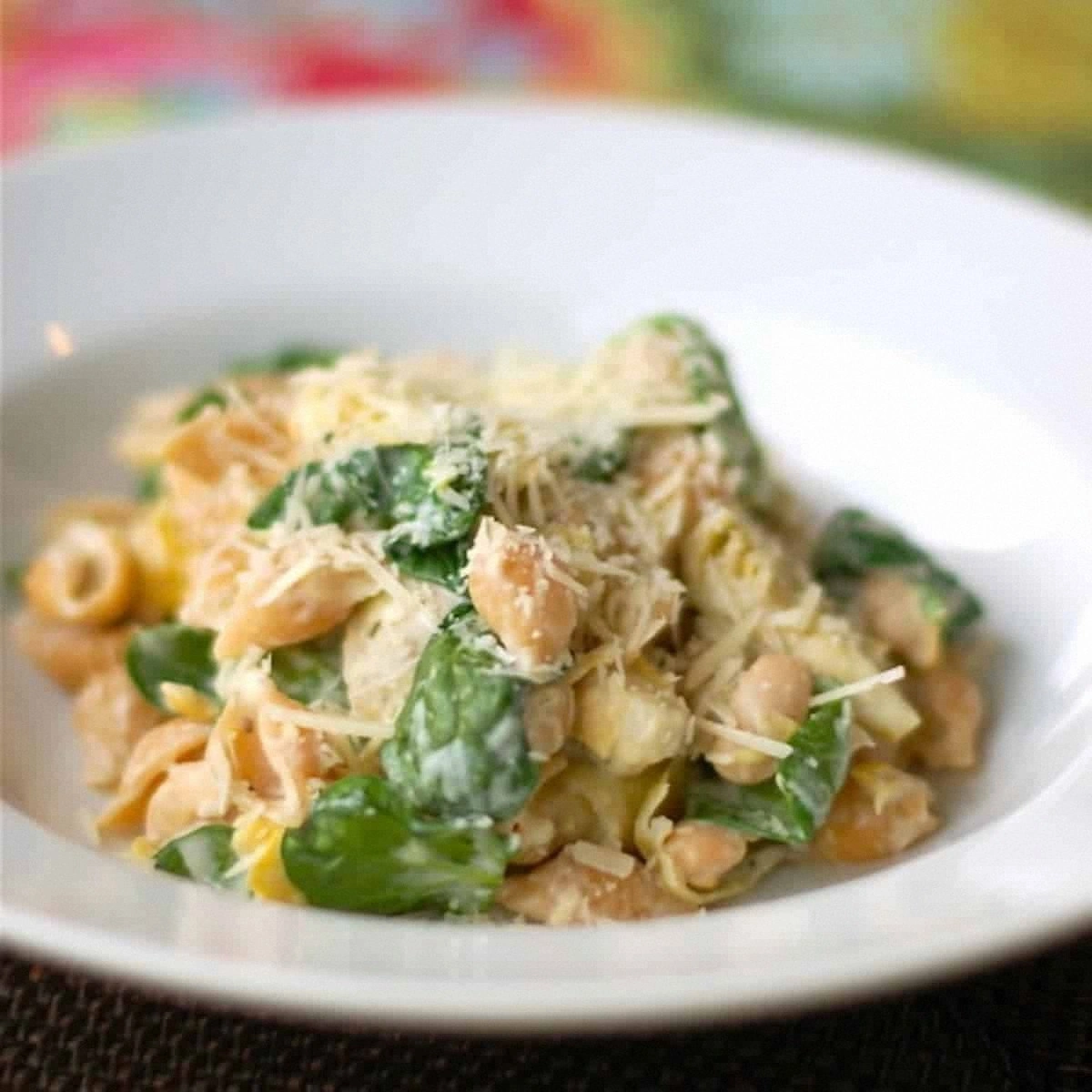
The moment the sauce hit the pan, there was a sizzle that sounded like applause. The garlic and onion danced together, releasing a perfume that reminded me of a sun‑drenched garden in early summer. The cream swirled in, thickening into a velvety blanket that hugged the pasta tighter than a favorite sweater. When I tossed in the spinach and artichokes, they wilted and softened, releasing a subtle earthiness that balanced the richness perfectly. The final flourish of Parmesan and mozzarella melted into golden ribbons, creating a glossy finish that was almost too pretty to eat—until I did, of course.
What makes this version stand out is that I didn’t just follow a recipe; I engineered a flavor orchestra. I added a splash of lemon zest for a bright pop, and I toasted the breadcrumbs just enough to give the sauce a whisper of crunch without stealing the spotlight. Most recipes either drown the pasta in sauce or leave it dry and lonely. Not this one. This version coats the pasta like velvet, with just enough bite from the red‑pepper flakes to keep your taste buds on their toes. I’m daring you to taste this and not go back for seconds—seriously, it’s that good.
And now the fun part: I’m going to walk you through every single step—down to the exact moment you should smell that buttery aroma and the precise second you should add the lemon zest. By the end, you’ll wonder how you ever made a spinach‑artichoke pasta any other way. Ready? Let’s get cooking.
What Makes This Version Stand Out
- Flavor Depth: The combination of cream, Parmesan, and a hint of lemon creates layers that unfold with each bite, turning a simple pasta into a gourmet experience.
- Texture Harmony: Creamy sauce meets a subtle crunch from toasted breadcrumbs, while the spinach stays tender yet distinct, preventing a soggy feel.
- Simplicity: Despite the complex taste, the ingredient list is short, and the technique uses everyday kitchen tools—no fancy gadgets required.
- Uniqueness: A splash of lemon zest and a quick toast of breadcrumbs are the secret weapons that most copycat recipes completely miss.
- Crowd Reaction: This dish consistently earns rave reviews at dinner parties; guests often ask for the recipe before the first bite is even finished.
- Ingredient Quality: Fresh spinach and high‑quality artichoke hearts make a massive difference—nothing beats the bright green pop of fresh greens.
- Cooking Method: The sauce is built in stages, allowing each component to develop its own flavor before they all marry together.
- Make‑Ahead Potential: You can prep the sauce a day ahead; reheating with a splash of milk brings it back to life without losing its silkiness.
Inside the Ingredient List
The Flavor Base
Butter (2 tbsp): Butter provides the rich, nutty foundation that carries the garlic and onion aromatics. If you skip it, the sauce will lack that buttery mouthfeel. For a dairy‑free twist, swap with a high‑smoke‑point oil, but expect a slightly different depth.
Olive Oil (1 tbsp): A drizzle of olive oil helps to sauté the aromatics without burning the butter. It also adds a subtle fruitiness that balances the cream. Choose extra‑virgin for maximum flavor.
Garlic (3 cloves, minced): Garlic is the aromatic hero, releasing sulfur compounds that create that irresistible perfume. Crushing the cloves before mincing intensifies the flavor. If you love garlic, add a fourth clove—just beware of the lingering after‑taste.
The Texture Crew
Onion (1 small, finely diced): The onion adds sweetness and body. Sautéing it until translucent, not brown, ensures the sauce stays silky. If you’re short on time, use a pinch of onion powder, but you’ll lose the fresh bite.
Heavy Cream (1 cup): Cream is the silk that ties everything together. It expands the sauce’s body and gives it that luxurious coat. For a lighter version, substitute half‑and‑half, but the sauce will be less glossy.
Parmesan Cheese (1 cup, grated): Parmesan brings salty umami and a slight grainy texture that melts into the cream. Freshly grated cheese melts better than pre‑shredded. If you can’t find Parmesan, Pecorino Romano works as a sharp substitute.
The Unexpected Star
Artichoke Hearts (1 cup, chopped): Artichokes add a buttery, slightly nutty flavor that pairs perfectly with spinach. They also give the dish a pleasant bite. Rinse canned hearts well to avoid excess brine, which can make the sauce watery.
Fresh Spinach (1 cup, roughly chopped): Spinach contributes a bright, earthy note and a pop of color. It wilts quickly, so add it at the end of cooking. If you can’t find fresh, frozen works—just thaw and squeeze out excess water.
Red Pepper Flakes (½ tsp): A pinch of heat cuts through the richness, preventing the dish from feeling cloying. Adjust to taste; a dash more will give a noticeable kick.
The Final Flourish
Mozzarella Cheese (1 cup, shredded): Mozzarella adds stretch and a mild milky flavor, creating that gooey pull you love. Use low‑moisture mozzarella for better melt.
Salt and Pepper (to taste): These seasonings are the final adjusters. Salt amplifies all flavors, while pepper adds subtle heat. Taste before serving and adjust as needed.
Lemon Zest (½ tsp, optional): A whisper of lemon brightens the whole dish, cutting through the creaminess. If you’re not a fan of citrus, you can omit it, but you’ll miss the lift.
Everything's prepped? Good. Let’s get into the real action…
The Method — Step by Step
Start by bringing a large pot of salted water to a rolling boil. Once boiling, add the penne and cook until al dente—usually about 9‑11 minutes, depending on the brand. Reserve a cup of pasta water before draining; this starchy liquid will be your secret weapon for binding the sauce later. While the pasta cooks, wipe down your workstation and get your aromatics ready.
In a wide, heavy‑bottomed skillet, melt the butter over medium heat, then drizzle in the olive oil. Add the minced garlic and diced onion, stirring constantly. You’ll hear a gentle sizzle—listen for that sound; it means the aromatics are releasing their flavors without burning. Cook until the onion becomes translucent and the garlic turns a light golden, about 2‑3 minutes. Power transition: this is where the flavor foundation is built.
Kitchen Hack: Add a pinch of salt to the onion while it cooks; it speeds up the caramelization process and deepens the flavor.Reduce the heat to low and pour in the heavy cream, stirring to combine. As the cream bubbles gently, you’ll notice it thickening around the edges—this is the moment of truth. Let it simmer for 3‑4 minutes, allowing the flavors to meld. If the sauce looks too thick, whisk in a splash of the reserved pasta water to reach a silky consistency.
Now, stir in the grated Parmesan and shredded mozzarella. The cheeses should melt quickly, turning the sauce into a glossy, buttery river. Keep the heat low to prevent the cheese from separating. This step creates that luxurious mouthfeel that makes the dish unforgettable. Watch Out: If the heat is too high, the sauce may become grainy—keep it gentle.
Watch Out: Adding cheese too quickly can cause clumping; sprinkle it in a thin, steady stream while whisking.Fold in the chopped artichoke hearts and fresh spinach. The spinach will wilt in seconds, turning a deeper shade of green. Stir until everything is evenly coated and the spinach is fully incorporated. At this point, the sauce should smell aromatic, with hints of earthiness from the artichokes and a fresh green note from the spinach.
Season with red pepper flakes, salt, and pepper. Taste the sauce and adjust the seasoning—remember, the pasta water you saved will add a subtle salinity, so you might need less salt than you think. If you’re using lemon zest, now’s the moment to sprinkle it in; the citrus will lift the entire dish, adding brightness that cuts through the richness.
Add the cooked penne to the skillet, tossing vigorously to ensure each piece is cloaked in the creamy mixture. If the sauce seems too thick, drizzle in a bit more pasta water, a tablespoon at a time, until you achieve a silky coating that clings to the pasta like velvet. Let the pasta sit in the sauce for a minute to absorb the flavors.
For the final touch, toast a handful of breadcrumbs in a separate dry pan until golden and fragrant—about 2 minutes. Sprinkle the toasted crumbs over the plated pasta for a subtle crunch that adds textural contrast. Serve immediately, and watch as your guests dive in, eyes widening at the glossy sheen and aromatic steam rising from the plate.
Kitchen Hack: If you’re short on breadcrumbs, crush a few crackers or use panko; both give a quick, crispy finish.
That’s it — you did it. But hold on, I’ve got a few more tricks that’ll take this to another level…
Insider Tricks for Flawless Results
The Temperature Rule Nobody Follows
Keep the heat low once the cream is in the pan. High heat will cause the cream to separate, resulting in a watery sauce. A gentle simmer lets the proteins in the cream and cheese bind together, creating that coveted silkiness. I once tried to speed things up on high, and the sauce turned into a curdled nightmare—trust me, don’t make that mistake.
Why Your Nose Knows Best
Before you add the lemon zest, take a moment to inhale the sauce. If you can detect a faint buttery aroma with a hint of garlic, you’re ready for the zest. The citrus should never overpower; it’s meant to brighten, not dominate. Your nose is the ultimate taste‑tester—listen to it.
The 5‑Minute Rest That Changes Everything
After tossing the pasta with the sauce, let it rest off the heat for five minutes. This pause allows the pasta to finish absorbing the sauce, resulting in a more cohesive dish. I used to serve it immediately and missed that depth of flavor; now I always give it a short rest, and the difference is night and day.
Breadcrumb Boost
To achieve the perfect crunch, toast the breadcrumbs in a dry skillet with a pinch of sea salt until they’re amber and fragrant. The salt draws out the oils, making the crumbs crispier. If you’re feeling adventurous, add a drizzle of melted butter before toasting for an extra golden hue.
Cheese Timing
Add Parmesan first, then mozzarella. Parmesan melts slower and creates a stable base, while mozzarella follows quickly, giving that stretchy pull. Mixing them in the wrong order can lead to clumps and an uneven texture. This little swap is a game‑changer for consistency.
Creative Twists and Variations
This recipe is a playground. Here are some of my favorite ways to switch things up:
Spicy Sriracha Swirl
Stir in a tablespoon of Sriracha after the cheese melts for a smoky, Asian‑inspired heat. The bright red hue adds visual drama, and the garlic‑chili combo pairs surprisingly well with the creamy base.
Smoky Bacon Boost
Crisp up four strips of bacon, crumble them, and fold them in just before serving. The salty crunch adds a smoky depth that transforms the dish into a hearty comfort meal.
Sun‑Dried Tomato Burst
Chop a handful of sun‑dried tomatoes and add them with the artichokes. Their sweet‑tart flavor introduces a Mediterranean twist that brightens the overall profile.
Vegan Velvet
Swap the butter for coconut oil, use cashew cream instead of dairy cream, and replace Parmesan with nutritional yeast. The result is a plant‑based version that still delivers that luxurious mouthfeel.
Herb‑Infused Delight
Finely chop fresh basil or thyme and sprinkle them over the finished pasta. The herbaceous notes lift the dish, making it perfect for spring gatherings.
Cheese‑Lover’s Dream
Mix in a blend of gouda and fontina with the mozzarella for a richer, more complex cheese flavor. The extra meltiness creates an indulgent, oozy experience that’s perfect for cheat‑day indulgence.
Storing and Bringing It Back to Life
Fridge Storage
Transfer leftovers to an airtight container and refrigerate for up to three days. The sauce may thicken; simply reheat on low and stir in a splash of milk or broth to restore its silky texture.
Freezer Friendly
Portion the pasta into freezer‑safe bags, removing as much air as possible. Freeze for up to two months. When ready to eat, thaw overnight in the fridge, then reheat gently on the stove, adding a bit of water to loosen the sauce.
Best Reheating Method
For the best texture, reheat in a skillet over medium‑low heat, stirring constantly. Add a teaspoon of water or broth per cup of pasta; this creates steam that revives the sauce without making it watery. Avoid microwaving, which can cause the cheese to separate.