Love this? Pin it for later! 📌
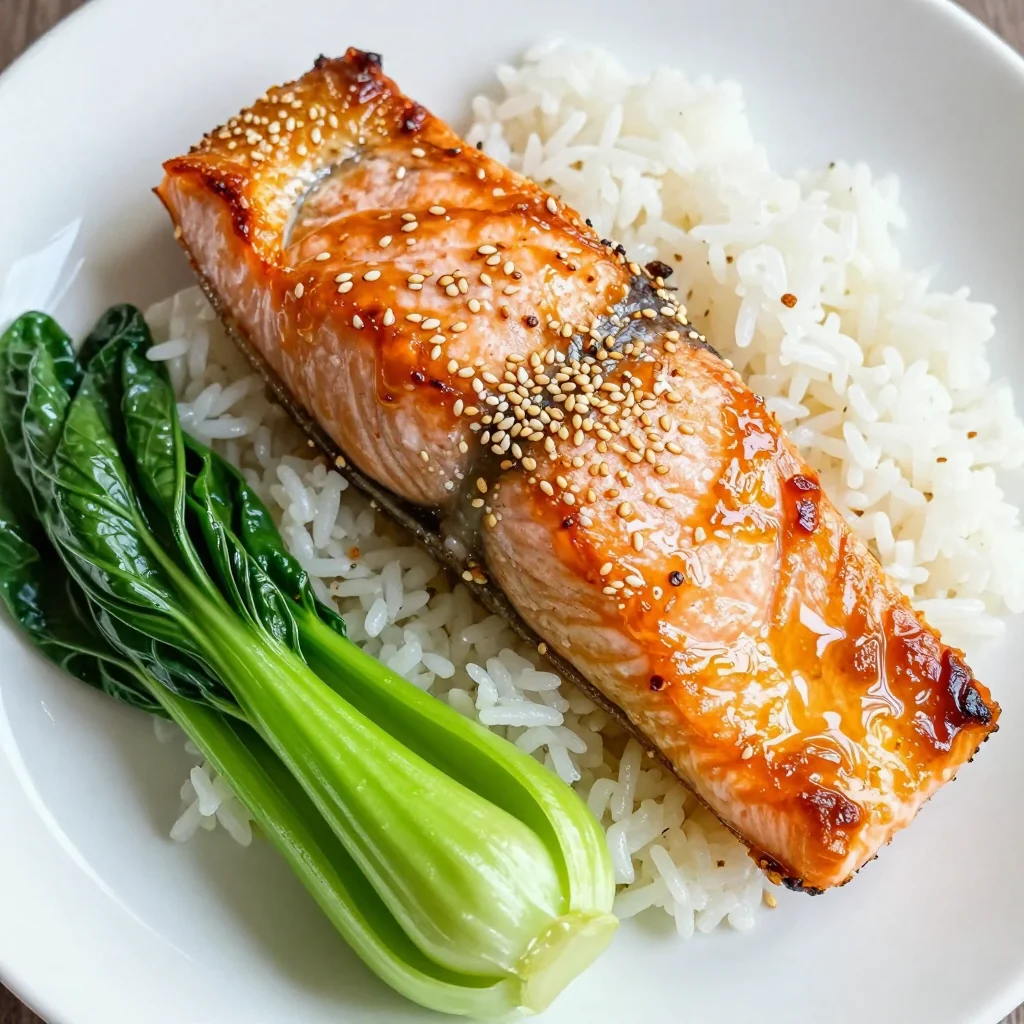
What makes this baked salmon truly special is the way the honey glaze transforms in the oven. It bubbles and thickens into this gorgeous glossy coating that makes the salmon look like it came straight from a restaurant kitchen. The sesame seeds add the most delightful crunch and nutty flavor that perfectly complements the rich, buttery salmon. Whether you're a seasoned cook or just starting your culinary journey, this recipe will make you feel like a professional chef.
I love serving this dish when I want something that looks incredibly impressive but requires minimal effort. It's perfect for date nights at home, Sunday family dinners, or even meal prep for the week ahead. The leftovers (if there are any!) are fantastic flaked over salads or tucked into sandwiches for lunch the next day.
Why This Recipe Works
- Perfect Glaze Consistency: The honey creates a beautiful caramelized coating that stays glossy and doesn't become sticky or hard
- Restaurant-Quality Results: The combination of baking temperature and timing ensures moist, flaky salmon every single time
- Quick Weeknight Dinner: From prep to plate in under 25 minutes, making it perfect for busy evenings
- Minimal Ingredients: Uses pantry staples you probably already have, no special trips to specialty stores required
- Customizable Flavor Profile: Easy to adjust sweetness, add spice, or incorporate different herbs based on your preferences
- Healthy and Nutritious: Packed with omega-3 fatty acids, protein, and antioxidants from the honey and sesame
- Impressive Presentation: The golden glaze and toasted sesame seeds create a stunning visual that's sure to impress guests
Ingredients You'll Need
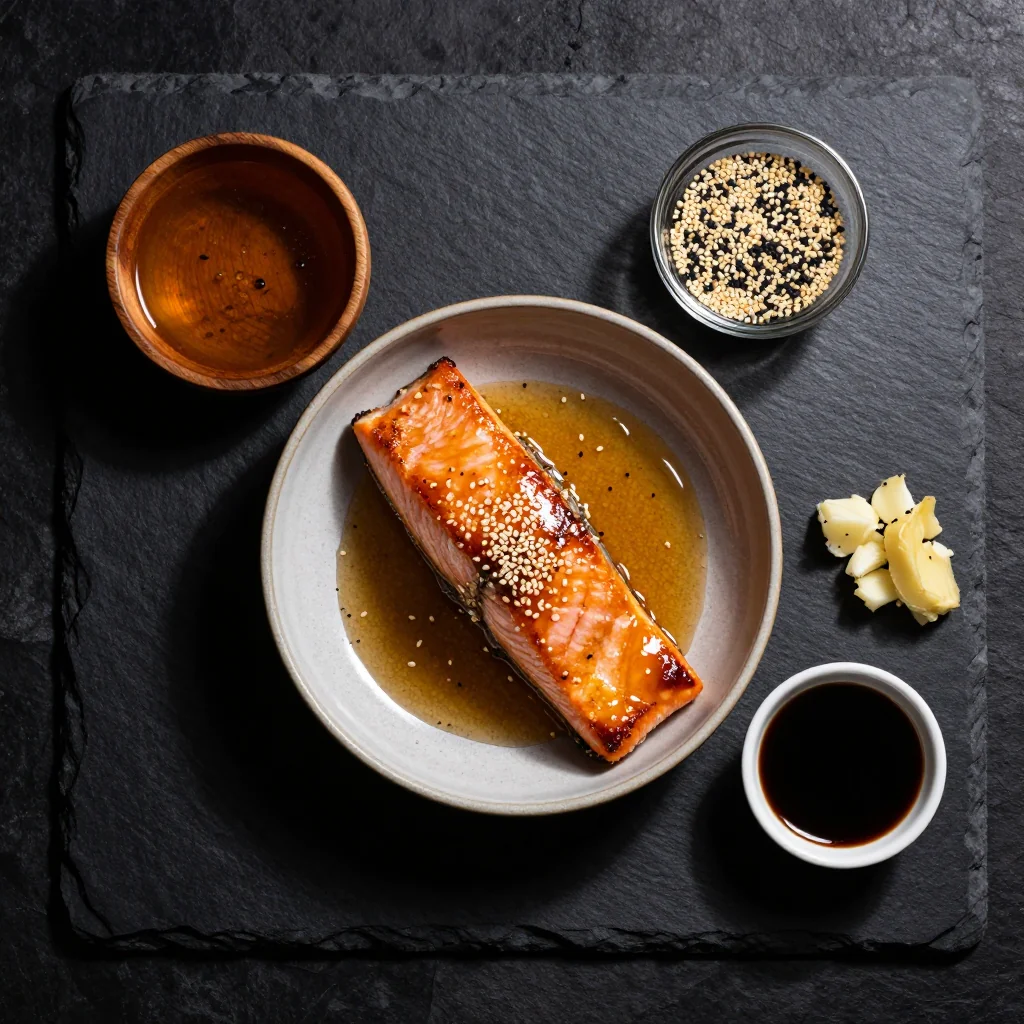
Let's talk about each ingredient and why it matters. The star of our show is, of course, the salmon. I always recommend buying wild-caught salmon when possible – it has a richer flavor and better texture than farm-raised. Look for fillets that are bright and firm, with no fishy smell. If you're buying from a fish counter, don't be afraid to ask when it came in. Fresh is always best, but frozen works wonderfully too – just make sure to thaw it completely in the refrigerator overnight.
The honey is crucial here, and I strongly recommend using a good quality local honey if you can find it. Not only does it taste better, but local honey may help with seasonal allergies. For this recipe, any honey will work, but I prefer a milder honey like clover or wildflower. Strong honey like buckwheat can overpower the delicate salmon flavor. If you're vegan or cooking for someone who doesn't eat honey, maple syrup makes an excellent substitute, though it will change the flavor profile slightly.
Sesame seeds might seem like a small detail, but they add incredible texture and nuttiness. I use a combination of white and black sesame seeds for visual appeal, but white alone works perfectly. Make sure your sesame seeds are fresh – rancid sesame seeds have a bitter, unpleasant taste. Store them in the freezer to keep them fresh longer. If you don't have sesame seeds, you can substitute with finely chopped nuts like almonds or pecans, though the flavor will be different.
The soy sauce adds umami depth to our glaze. I prefer using low-sodium soy sauce so I can control the salt level better. If you're gluten-free, tamari works beautifully here. For a soy-free option, coconut aminos provide a similar salty-sweet flavor. The rice vinegar adds brightness and helps balance the sweetness of the honey. In a pinch, you could use white wine vinegar or even lemon juice, though rice vinegar gives the most authentic Asian-inspired flavor.
Fresh ginger and garlic are non-negotiable for me. The powdered versions just don't provide the same vibrant flavor. When buying fresh ginger, look for pieces that are firm and smooth, not wrinkled or soft. You can store fresh ginger in the freezer and grate it directly from frozen – it's actually easier to grate when frozen. For the garlic, the fresher the better. Those pre-minced jars in the grocery store work in a pinch, but fresh garlic has so much more flavor.
Finally, a good quality olive oil helps carry all these flavors and ensures the salmon stays moist. You don't need an expensive extra virgin olive oil here – a good quality regular olive oil works perfectly. The sesame oil at the end is optional but highly recommended. Just a few drops add incredible aroma and flavor. Make sure to buy toasted sesame oil, not the plain variety – it's much more flavorful.
How to Make Baked Salmon With Honey Glaze And Sesame
Prepare the Marinade
In a medium bowl, whisk together 3 tablespoons honey, 2 tablespoons soy sauce, 1 tablespoon rice vinegar, 2 teaspoons grated fresh ginger, 2 minced garlic cloves, and 1 tablespoon olive oil. This is your flavor base, so take a moment to smell the amazing combination of sweet, salty, and aromatic ingredients. The ginger should be finely grated so it incorporates smoothly into the glaze.
Marinate the Salmon
Pat your salmon fillets dry with paper towels – this is crucial for proper browning. Place them in a shallow dish and pour about two-thirds of the marinade over the fish, ensuring each piece is well coated. Reserve the remaining marinade for basting. Cover and refrigerate for at least 15 minutes, but no more than 2 hours. The acid in the marinade will start to "cook" the fish if left too long, resulting in a mushy texture.
Preheat and Prepare
Preheat your oven to 400°F (200°C). This temperature is perfect for baking salmon – hot enough to create a beautiful glaze but gentle enough to keep the fish moist. Line a baking sheet with parchment paper or lightly grease it with oil. The parchment paper makes cleanup a breeze and prevents the honey from sticking and burning.
Season and Arrange
Remove the salmon from the marinade, letting excess drip off, and place it skin-side down on your prepared baking sheet. Season lightly with salt and pepper – but go easy on the salt since the soy sauce adds plenty. Sprinkle half of your sesame seeds evenly over the salmon fillets. Press them gently so they adhere to the fish.
Bake to Perfection
Bake for 12-15 minutes, depending on the thickness of your salmon. The general rule is 4-6 minutes per half-inch of thickness. Halfway through baking, brush the reserved marinade over the top for extra flavor and shine. The salmon is done when it flakes easily with a fork but is still slightly translucent in the center. It will continue cooking from residual heat after you remove it from the oven.
Add the Final Touch
Switch your oven to broil for the last 2-3 minutes of cooking. This creates that gorgeous caramelized glaze on top. Watch it carefully – honey can go from perfectly caramelized to burnt very quickly. When it's golden and bubbly, remove from the oven. The glaze should be thick and glossy, coating the salmon beautifully.
Garnish and Serve
Immediately sprinkle with the remaining sesame seeds and drizzle with a few drops of toasted sesame oil. Add some thinly sliced green onions for color and fresh flavor. Let the salmon rest for 3-5 minutes before serving – this allows the juices to redistribute throughout the fish, ensuring every bite is moist and flavorful.
Perfect Pairings
This salmon pairs beautifully with steamed jasmine rice or quinoa to soak up the extra glaze. Roasted vegetables like bok choy, broccoli, or asparagus complement the Asian-inspired flavors wonderfully. For a complete meal, serve with a crisp cucumber salad dressed with rice vinegar and a touch of sesame oil.
Expert Tips
Temperature Matters
For perfectly cooked salmon, use a meat thermometer. The USDA recommends 145°F, but for restaurant-quality salmon, remove it at 125°F for medium-rare or 130°F for medium. The fish will continue cooking from residual heat.
Don't Overcrowd
Give each salmon fillet space on the baking sheet. Overcrowding creates steam, which prevents proper caramelization of the honey glaze. Use two baking sheets if necessary.
Room Temperature Rule
Let your salmon sit at room temperature for 15-20 minutes before cooking. Cold fish going into a hot oven cooks unevenly, resulting in an overcooked exterior and undercooked center.
Fresh Ginger Hack
Store fresh ginger in the freezer and grate it directly from frozen. It's easier to grate, lasts longer, and you always have fresh ginger on hand when you need it.
Broiler Watch
Never walk away when using the broiler. Honey can go from perfectly caramelized to burnt in under 30 seconds. Stay close and check every 20-30 seconds.
Double the Glaze
Make extra glaze and serve it on the side. People always want more of that delicious sauce, and it's fantastic drizzled over rice or vegetables too.
Sesame Seed Storage
Store sesame seeds in the freezer to keep them fresh. They contain natural oils that can go rancid quickly at room temperature. Frozen sesame seeds stay fresh for up to a year.
Color Indicator
The glaze should be a deep amber color when perfectly caramelized. If it's getting too dark, cover loosely with foil for the remaining cooking time.
Variations to Try
Spicy Version
Add 1-2 teaspoons of sriracha or a pinch of red pepper flakes to the glaze for a sweet and spicy kick. You can also use Korean gochujang paste for a deeper, more complex heat.
Citrus Twist
Add the zest of one orange or lemon to the marinade. Replace half the rice vinegar with fresh citrus juice for a brighter, more refreshing flavor profile.
Herb Garden
Add fresh herbs like cilantro, Thai basil, or mint to the marinade. Garnish with fresh chives or dill for a more herbaceous version that pairs beautifully with the honey.
Nutty Alternative
Replace sesame seeds with crushed peanuts, cashews, or almonds. Toast them lightly before sprinkling for extra crunch and nutty flavor that complements the honey glaze.
Miso Magic
Add 1 tablespoon white miso paste to the marinade for an extra umami boost. The fermented flavor pairs beautifully with the honey and creates an even more complex glaze.
Maple Version
Replace the honey with pure maple syrup for a different but equally delicious flavor. Maple pairs wonderfully with salmon and creates a beautiful caramelized coating too.
Storage Tips
Refrigerator Storage
Store leftover salmon in an airtight container in the refrigerator for up to 3 days. Let it cool completely before storing, and place a piece of parchment paper directly on the surface to prevent the glaze from becoming sticky or developing a skin. For best results, store the salmon without any additional glaze or sauce, as this can make it soggy over time.
Freezer Instructions
This salmon freezes beautifully! Wrap individual portions tightly in plastic wrap, then place in a freezer-safe bag or container. Freeze for up to 3 months. Thaw overnight in the refrigerator, then reheat gently in a 300°F oven for 10-12 minutes, or until just warmed through. Note that the glaze may lose some of its shine after freezing and reheating, but the flavor remains excellent.
Reheating Without Drying
The key to reheating salmon without drying it out is low and slow. Place the salmon in a baking dish with a splash of water or broth, cover with foil, and warm in a 275°F oven for about 10 minutes. You can also reheat it in the microwave at 50% power for 30-45 seconds, though this method is more likely to dry out the fish if you're not careful.
Make-Ahead Options
The marinade can be prepared up to 5 days in advance and stored in the refrigerator. You can also marinate the salmon up to 24 hours ahead of time, though I recommend no more than 2 hours for the best texture. If meal prepping, you can portion and season the salmon, then freeze it raw. When ready to cook, thaw overnight in the refrigerator and proceed with the recipe as directed.
Frequently Asked Questions
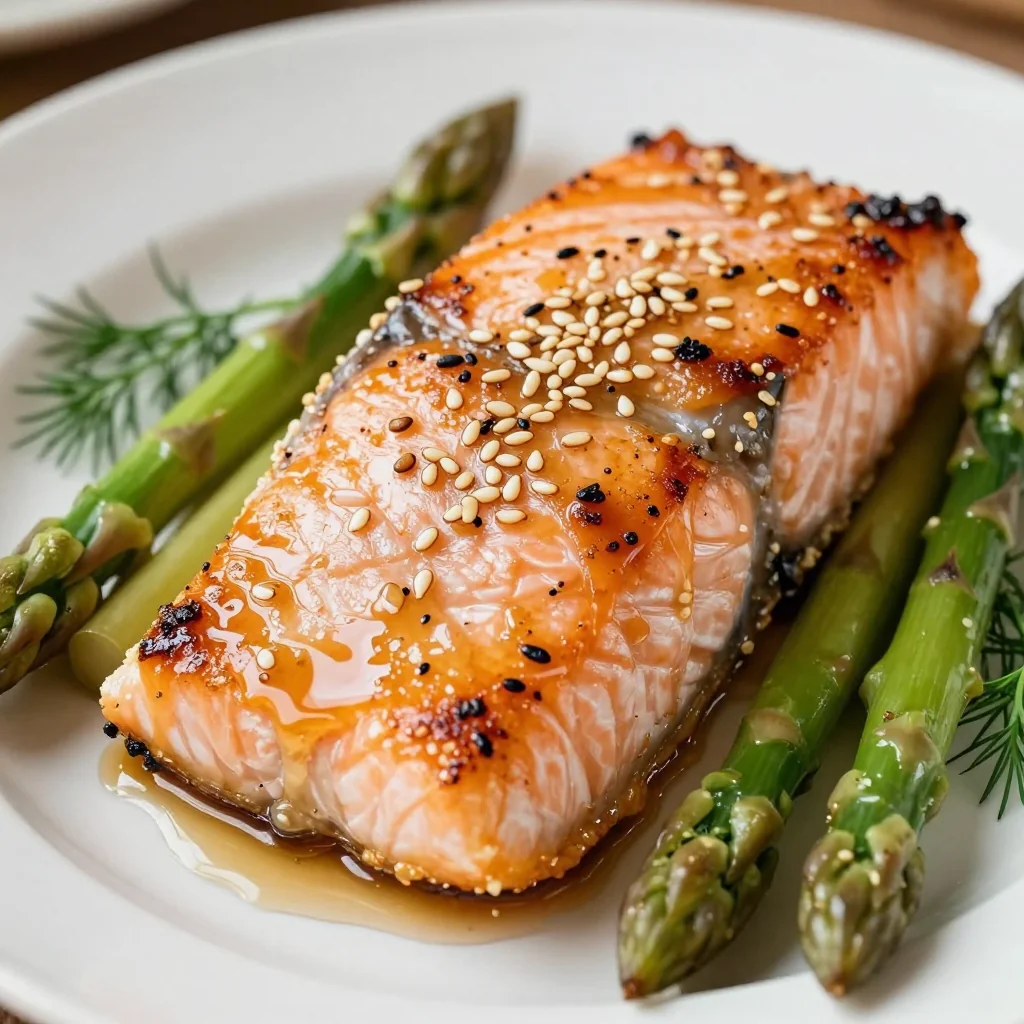
Baked Salmon With Honey Glaze And Sesame
Ingredients
Instructions
- Make the glaze: In a small bowl, whisk together honey, soy sauce, rice vinegar, ginger, garlic, and olive oil until well combined.
- Marinate: Place salmon in a shallow dish, pour 2/3 of the glaze over fish, cover and refrigerate for 15-30 minutes. Reserve remaining glaze.
- Preheat: Heat oven to 400°F (200°C). Line a baking sheet with parchment paper.
- Prepare salmon: Remove salmon from marinade, letting excess drip off. Place on baking sheet, season lightly with salt and pepper.
- Add sesame: Sprinkle half the sesame seeds over salmon fillets, pressing gently to adhere.
- Bake: Bake for 12-15 minutes, depending on thickness, brushing with reserved glaze halfway through.
- Caramelize: Switch to broil for last 2-3 minutes until glaze is bubbly and golden.
- Garnish and serve: Sprinkle with remaining sesame seeds, drizzle with sesame oil, and top with green onions.
Recipe Notes
For best results, don't over-marinate the salmon. The acid in the marinade can start to "cook" the fish if left too long, resulting in a mushy texture. 15-30 minutes is perfect for flavor without affecting the texture. Always pat the salmon dry before marinating for better glaze adherence.