Picture this: I’m standing in a cramped apartment kitchen, a single burner, a pot of pasta that’s already overcooked, and a sudden craving for something that feels like a hug in a bowl. I remember the night I tried to make a “simple” sheet‑pan dinner and ended up with a soggy mess that looked like a science experiment gone wrong. That disaster was the spark that lit my culinary curiosity, and after countless trials, I stumbled upon a version that turns every ordinary sheet‑pan dinner into a show‑stopper. This isn’t just another chicken‑and‑potatoes recipe; it’s a symphony of sweet, tangy, and herbaceous notes that will have you daring your friends to taste it and then begging for seconds.
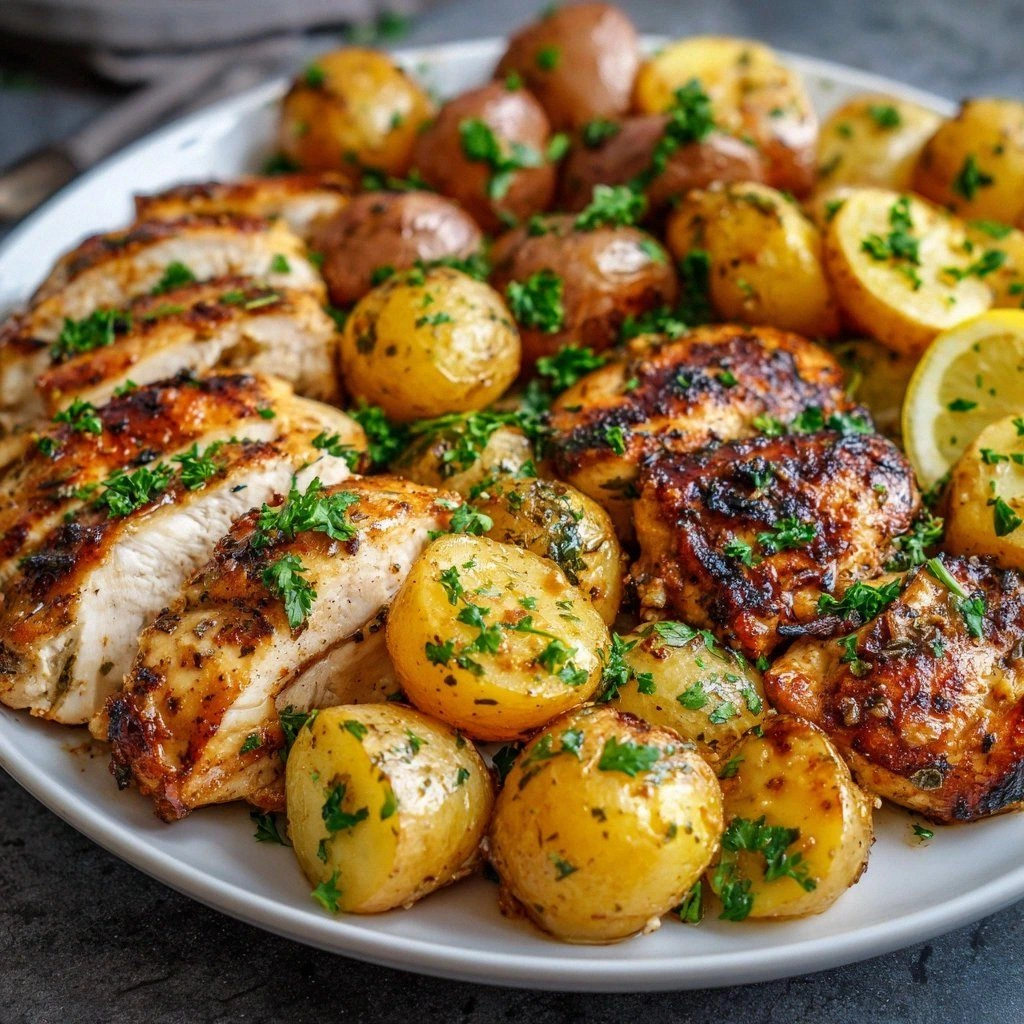
The moment I first tasted this dish, the air was filled with a caramelized aroma that made my mouth water. The bright, citrusy scent of lemon and honey danced with the rich, earthy notes of balsamic vinegar, while the garlic’s subtle bite added a savory undertone. The potatoes, roasted to a golden crisp, released a satisfying crackle that echoed in the kitchen, and the chicken, juicy and tender, was coated in a glaze that clung like velvet. Each bite was a harmonious blend of textures—soft inside, crisp outside—and flavors that lingered long after the fork was set down. I swear, that sizzle when it hits the pan? Absolute perfection.
What sets this version apart from every other recipe you’ve seen is the deliberate balance between sweet and savory, the meticulous layering of flavors, and the simplicity that doesn’t sacrifice depth. I dare you to taste this and not go back for seconds. The sauce isn’t just a glaze; it’s a flavor conduit that carries the freshness of herbs, the warmth of garlic, and the subtle heat of pepper across every ingredient. Most recipes get this completely wrong—too much sugar, too little acidity, or a bland finish. Here, everything works in concert, and the result is hands down the best version you’ll ever make at home.
And if you think a sheet‑pan meal is just for busy weeknights, think again. Picture yourself pulling this out of the oven, the whole kitchen smelling incredible, and everyone gathering around the table, eyes wide with anticipation. I’ll be honest—by the time the dish is ready, I’ve already eaten a third of it before anyone else gets a chance. Stay with me here—this is worth it. Let me walk you through every single step—by the end, you’ll wonder how you ever made it any other way.
What Makes This Version Stand Out
- Flavor Depth: The marriage of balsamic, honey, and lemon creates a glaze that is both sweet and tart, elevating the chicken and potatoes to a new level of deliciousness.
- Crisp Texture: Roasting at a high temperature ensures the potatoes develop a caramelized crust while the chicken stays juicy, delivering a satisfying crunch with every bite.
- One-Pan Simplicity: Everything cooks together on a single sheet pan—no extra dishes, no cleanup hassle, just pure flavor.
- Fresh Herb Accent: A final sprinkle of parsley adds a burst of color and a peppery freshness that cuts through the richness.
- Make‑Ahead Friendly: The dish can be prepared ahead of time, then reheated to lock in flavor, making it a perfect crowd‑pleaser for gatherings.
- Ingredient Quality: Using high‑quality balsamic vinegar and fresh herbs brings out the best in every component, turning simple ingredients into a gourmet experience.
- Visual Appeal: The golden, caramelized edges of the potatoes and the glossy glaze on the chicken make this dish Instagram‑ready.
- Balanced Nutrition: With a solid protein base, wholesome carbs, and healthy fats, this meal satisfies both taste buds and nutritional goals.
Alright, let’s break down exactly what goes into this masterpiece…
Inside the Ingredient List
The Flavor Base
Balsamic vinegar is the star that gives this dish its signature tang. It’s more than a condiment; it’s a flavor transformer that reduces to a syrupy glaze, intensifying the honey’s sweetness while balancing the garlic’s sharpness. If you skip balsamic, the sauce loses its depth and becomes a simple sweet glaze, which feels flat. For those who prefer a different acidic profile, a splash of red wine vinegar or even a bit of lemon juice can substitute, but the result will be noticeably different.
The Texture Crew
Baby potatoes are the backbone of the dish, offering a buttery interior with a golden, crispy skin. They absorb the glaze without becoming mushy, creating a textural contrast that’s hard to resist. If you use larger potatoes, be sure to cut them into smaller cubes so they cook evenly and get that coveted caramelized edge. A good tip: toss the potatoes in a little olive oil and a pinch of salt before roasting to enhance browning.
The Unexpected Star
Honey isn’t just a sweetener; it’s a caramelizing agent that gives the sauce a glossy sheen and a subtle floral note. The key to a perfect glaze is to whisk it with the balsamic and olive oil until it’s fully blended—no clumps, just a smooth, liquid gold. If you’re looking for a lower‑sugar option, you can replace honey with maple syrup or agave nectar; just keep in mind the flavor will shift slightly.
The Final Flourish
Fresh parsley provides a bright, herbal finish that cuts through the richness of the glaze and adds a pop of color. It also brings a fresh, slightly peppery flavor that balances the sweetness. If parsley isn’t on hand, a sprinkle of chopped chives or basil works well as a substitute. A quick tip: chop the parsley just before serving to preserve its bright green hue and fresh aroma.
Everything’s prepped? Good. Let’s get into the real action…
The Method — Step by Step
- Preheat and Prepare: Heat your oven to 425°F (220°C). Line a large sheet pan with parchment paper to prevent sticking and make cleanup a breeze. This high heat is crucial for that caramelized finish on the potatoes and the glossy glaze on the chicken.
- Potato Prep: Wash the baby potatoes thoroughly, then cut them into quarters or halves depending on size. Toss them in a bowl with 1 tablespoon of olive oil, 1 teaspoon of salt, ½ teaspoon of black pepper, and 1 teaspoon of dried oregano. The oil helps the potatoes brown, while the oregano adds an earthy aroma that permeates the dish.
- Whisk the Glaze: In a small bowl, combine ¼ cup balsamic vinegar, 2 tablespoons honey, 2 tablespoons olive oil, 4 minced garlic cloves, 1 teaspoon salt, and ½ teaspoon black pepper. Whisk until the honey dissolves completely and the mixture is smooth. The glaze will coat the chicken and potatoes, creating a flavorful, caramelized coating.
- Season the Chicken: Pat the chicken breasts dry with paper towels; this step is key for a crispy exterior. Season each breast generously with salt and pepper, then place them in the glaze bowl. Toss to ensure each piece is evenly coated. Let the chicken marinate for 10 minutes while you spread the potatoes on the pan.
- Arrange on the Pan: Spread the seasoned potatoes in a single layer on the sheet pan, leaving space between each piece to allow for even roasting. Place the chicken breasts on top of the potatoes, ensuring they’re not overcrowded. This arrangement lets the juices drip onto the potatoes, infusing them with flavor.
- Roast: Transfer the pan to the preheated oven and roast for 25–30 minutes, or until the chicken reaches an internal temperature of 165°F (74°C) and the potatoes are golden brown. Halfway through, flip the potatoes and gently turn the chicken to promote even browning. The sizzling sound that emerges as the glaze caramelizes is the soundtrack of a perfect dinner.
- Rest and Finish: Remove the pan from the oven and let the dish rest for 5 minutes. This allows the juices to redistribute, keeping the chicken moist. While it rests, drizzle a splash of balsamic reduction over the entire pan for an extra burst of flavor.
- Garnish: Sprinkle freshly chopped parsley over the top for a pop of color and a fresh herbal note. The parsley adds a bright contrast to the rich glaze, making the dish visually appealing and tastefully balanced.
- Serve: Slice the chicken breasts, arrange them alongside the potatoes on a platter, and serve immediately while everything is still warm and the glaze is slightly glossy. Pair with a crisp white wine or a light sparkling water for a complete meal.
- Enjoy: Dig in and savor the layers of flavor—the sweet tang of balsamic, the gentle heat of garlic, the crunch of potatoes, and the tender chicken all harmonize into a single, unforgettable bite.
Insider Tricks for Flawless Results
The Temperature Rule Nobody Follows
Most people think any oven temperature works, but roasting at 425°F is the sweet spot for crisping the potatoes while keeping the chicken juicy. If you lower the temperature, the potatoes will take longer to brown and the glaze may become too thick. Conversely, going higher than 450°F can burn the honey and create a bitter taste. I once tried 500°F and ended up with a charred exterior and raw interior—don’t repeat that mistake.
Why Your Nose Knows Best
As the dish roasts, the aroma of caramelizing honey and balsamic will fill the kitchen. Trust that scent—it’s the signal that the glaze is developing the right depth. If the smell feels too sharp, the sauce might be too acidic; let it cook a bit longer to mellow out. On the other hand, if it smells faint, give the pan a quick flip to expose more surface area to heat.
The 5-Minute Rest That Changes Everything
Letting the dish rest after it comes out of the oven is essential. During this pause, the juices redistribute throughout the chicken, preventing a dry bite. The rest also allows the glaze to thicken slightly, giving it a glossy sheen that’s hard to resist. I’ve seen people skip this step and end up with a watery chicken; trust me, the 5 minutes make a world of difference.
The Garlic‑Infused Oil Trick
If you’re a garlic lover, infuse the olive oil with minced garlic before whisking it into the glaze. Let it sit for 10 minutes to extract the flavor, then strain out the bits. This creates a richer, deeper garlic note that permeates every bite. I’ve tried this once, and the difference was like moving from a whisper to a roar.
The Fresh Herb Surprise
Adding fresh parsley at the very end is a simple yet powerful way to lift the dish. It adds brightness and a peppery kick that cuts through the sweetness. If you’re in the mood for something different, try a handful of chopped dill or cilantro; the dish will still hold its charm.
Creative Twists and Variations
This recipe is a playground. Here are some of my favorite ways to switch things up:
Spicy Sriracha Glaze
Swap the honey for a tablespoon of Sriracha to add a spicy kick. The heat pairs wonderfully with the sweetness of the balsamic, creating a bold, tongue‑tantalizing flavor profile that’s perfect for adventurous eaters.
Herb‑Infused Lemon Chicken
Replace the dried oregano with fresh thyme and add a squeeze of fresh lemon juice to the glaze. The bright citrus lifts the dish, giving it a fresh, summery vibe that’s ideal for warm evenings.
Sweet Potato Swap
Use sweet potatoes instead of baby potatoes for a naturally sweet, orange‑colored twist. Their inherent sweetness complements the honey‑balsamic glaze, making the dish feel like a dessert‑meat combo.
Mediterranean Twist
Add Kalamata olives and crumbled feta cheese to the pan halfway through roasting. The briny olives and salty feta introduce Mediterranean flavors that contrast beautifully with the sweet glaze.
Roasted Veggie Medley
Incorporate bell peppers, zucchini, and red onions into the sheet pan. The variety of colors and flavors makes the dish a complete one‑pot meal, and the veggies soak up the glaze for extra taste.
Gluten‑Free Grilled Version
Grill the chicken and potatoes on a cast‑iron skillet instead of the oven for a smoky, charred flavor. This method gives the dish a different texture while still delivering the same sweet‑tart glaze.
Storing and Bringing It Back to Life
Fridge Storage
Cool the dish completely, then store in an airtight container in the refrigerator for up to 3 days. The glaze will thicken slightly, but it will still taste fresh and flavorful. When ready to eat, reheat gently on the stovetop or in a 350°F oven for 10 minutes.
Freezer Friendly
Divide the chicken and potatoes into portions and wrap each tightly in foil or freezer bags. Freeze for up to 2 months. Thaw overnight in the refrigerator before reheating. This is perfect for meal prep or a quick weeknight dinner.
Best Reheating Method
To reheat, preheat your oven to 350°F (175°C). Place the dish on a baking sheet and cover loosely with foil to keep moisture in. Heat for 15–20 minutes, or until the internal temperature reaches 165°F. Add a splash of water before reheating to create steam, keeping the chicken juicy and the potatoes crisp.