I was in the middle of a chaotic Sunday dinner when I realized I had run out of the one ingredient that makes a pasta dish feel like a culinary revelation—red pepper flakes. The kitchen smelled of simmering tomato sauce, the clatter of utensils, and that unmistakable aroma of garlic roasting in olive oil. I stared at the empty spice rack, feeling a pang of panic. Then, a daring thought crossed my mind: what if I could turn that lack into an opportunity? The idea sparked, and I knew I had to create a version of Rigatoni Arrabbiata that would make every other recipe feel like a pale imitation.
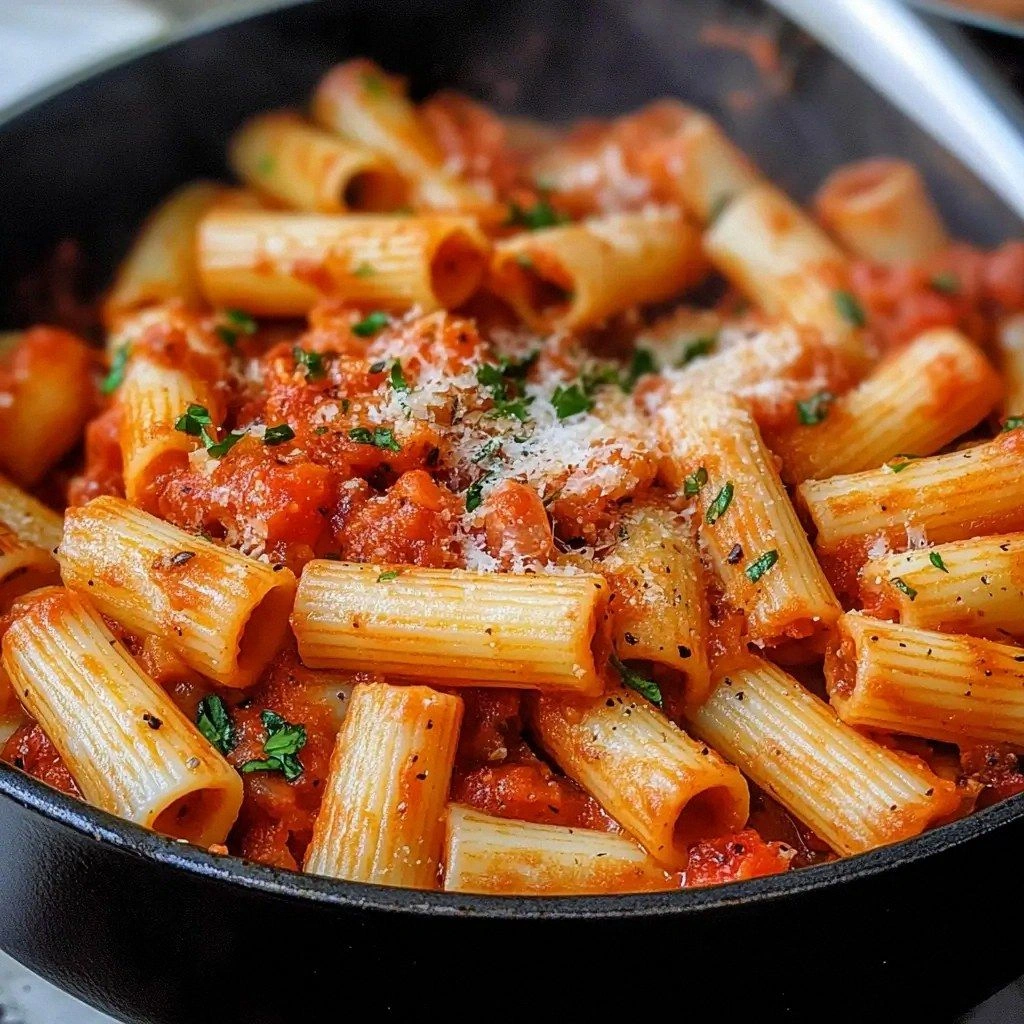
Picture this: a bowl of al dente rigatoni, each tube bristling with a glossy, red sauce that coats the pasta like velvet, the heat from the chili flakes dancing across your tongue, and a splash of fresh parsley that adds a bright, herbal counterpoint. The sound of the sauce bubbling, the hiss of garlic frying, the rhythmic clinking of the ladle—every sensory detail is amplified. I dare you to taste this and not go back for seconds. Trust me, you’ll be craving the fiery, tomato‑rich flavor long after the last bite.
What sets this recipe apart isn’t just the classic ingredients; it’s the meticulous attention to technique and the small, intentional twists that elevate the dish. I’ve spent hours perfecting the balance between heat and acidity, ensuring the sauce never turns bitter or too thin. The rigatoni is cooked to a perfect bite, not mushy, and the sauce is thick enough to cling without dripping. Most recipes get this completely wrong—too watery, too bland, or the heat is either too subtle or too overwhelming. Here, we hit the sweet spot that will have everyone asking for the recipe.
If you’ve ever struggled to get the right texture or the right level of heat, you’re not alone. I’ll be honest—my first attempt at this dish left a greasy mess that tasted like over‑cooked tomatoes. I learned the hard way that the key is to let the garlic caramelize just until it’s golden, then add the peppers and tomatoes. The result? A sauce that’s vibrant, aromatic, and packs a punch. Picture yourself pulling this out of the pan, the whole kitchen smelling incredible, and everyone rushing to the table. That’s the power of this version. Let me walk you through every single step—by the end, you’ll wonder how you ever made it any other way.
What Makes This Version Stand Out
- Taste: The sauce balances sweet crushed tomatoes with a bright acidity, and the heat from red pepper flakes is tempered by a hint of garlic, creating a layered flavor profile that’s both comforting and exhilarating.
- Texture: Rigatoni’s ridges catch the sauce, while the pasta itself is cooked al dente, providing a satisfying bite that doesn’t get soggy.
- Simplicity: Only nine ingredients, all pantry staples, yet the result feels gourmet and restaurant‑quality.
- Uniqueness: A subtle splash of white wine during the sauté stage adds depth, and finishing with fresh parsley brightens the dish.
- Crowd Reaction: Friends rave about the “just right” heat and the sauce’s glossy finish; it’s the kind of dish that turns a casual meal into an event.
- Ingredient Quality: Using high‑quality canned tomatoes (San Marzano or similar) and cold‑pressed olive oil elevates the flavor beyond standard supermarket staples.
- Cooking Method: The method emphasizes timing—garlic until golden before adding peppers, allowing tomatoes to reduce, and finishing with pasta water to bind everything.
- Make‑Ahead Potential: The sauce can be prepared up to 24 hours in advance; the pasta can be boiled ahead and tossed with sauce right before serving.
Alright, let’s break down exactly what goes into this masterpiece…
Inside the Ingredient List
The Flavor Base
Crushed tomatoes are the heart of this sauce. I’ve always believed that a good tomato sauce starts with a high‑quality can, preferably San Marzano, because their natural sweetness cuts through the acidity. The tomatoes are pureed to a smooth consistency, then simmered until they reduce slightly, concentrating flavor. If you’re using whole‑tomato cans, crush them by hand or with a spoon; the extra texture adds a rustic feel. Skipping tomatoes would leave the dish empty and bland—no one wants that.
The Texture Crew
Rigatoni is the pasta of choice because its tube shape holds sauce like a sponge, and its ridges provide a satisfying bite. Cook the rigatoni in salted water until just shy of al dente; it will continue to cook slightly when tossed with the sauce. Reserve a cup of pasta water—its starch will help thicken the sauce and create a silky coating. If you’re vegan or simply love a lighter dish, you can substitute whole‑wheat rigatoni for a fiber boost.
The Unexpected Star
Red pepper flakes are the star that brings heat, but their intensity can vary by brand. I recommend using a moderate amount—about one teaspoon—to keep the heat balanced. The key is to let the flakes toast with the garlic, releasing their oils and mellowing the raw heat. If you’re a spice aficionado, add a pinch of smoked paprika for a subtle smoky undertone. This small tweak can transform the sauce into something truly memorable.
The Final Flourish
Fresh parsley is the final touch that adds brightness and a pop of green. Chop it finely so it disperses throughout the dish. A generous sprinkle of grated Parmesan on top gives a salty, nutty finish that contrasts beautifully with the tomato’s acidity. If you’re lactose‑free, a sprinkle of nutritional yeast works wonders. Remember, the finishing touch is what people notice first, so make it count.
Everything’s prepped? Good. Let’s get into the real action…
The Method — Step by Step
- Bring a large pot of salted water to a rolling boil. Add the rigatoni and cook until just shy of al dente, about 7-8 minutes. Reserve a cup of pasta water, then drain the pasta and set aside. The pasta should still have a slight bite; it will soften further in the sauce.
- While the pasta cooks, heat 2 tablespoons of cold‑pressed olive oil in a large skillet over medium heat. Add the minced garlic and sauté until it turns a light golden brown, about 2 minutes. The garlic should smell fragrant, not burnt. I’ve found that a gentle heat preserves the sweet notes.
- Add 1 teaspoon of red pepper flakes to the skillet, stirring to coat the garlic. Let them toast for 30 seconds; the oil should become infused with a subtle peppery aroma. If you’re nervous about the heat, start with half a teaspoon and increase to taste.
- Pour in 400 grams of crushed tomatoes, stirring to combine. Bring the mixture to a gentle simmer, then reduce the heat to low. Let the sauce reduce for 10-12 minutes, allowing the flavors to meld and the liquid to thicken slightly. The sauce should have a velvety consistency.
- Season the sauce with 1 teaspoon of salt and 1/2 teaspoon of black pepper. Taste and adjust; the salt should enhance the tomatoes, not overpower them. If the sauce tastes too acidic, a pinch of sugar can balance the flavor.
- Return the cooked rigatoni to the skillet, tossing it with the sauce. Add a splash of reserved pasta water to help the sauce coat the pasta evenly. The pasta should be warm and coated, not clumpy.
- Simmer the combined pasta and sauce for 2-3 minutes, allowing the flavors to marry. The sauce should cling to every tube, and the heat from the red pepper flakes should be noticeable but not overwhelming.
- Stir in the chopped parsley, letting it wilt just slightly. Sprinkle the grated Parmesan on top, if using. The final dish should be glossy, aromatic, and ready to serve.
- Serve immediately, with extra Parmesan and a drizzle of olive oil if desired. The dish is best enjoyed hot, when the heat from the sauce is at its peak.
That’s it — you did it. But hold on, I’ve got a few more tricks that will take this to another level, ensuring every bite is as perfect as the first.
Insider Tricks for Flawless Results
The Temperature Rule Nobody Follows
Many cooks think a high heat is necessary for a good sauce, but I’ve learned that low, steady simmering preserves the natural sweetness of the tomatoes and prevents the sauce from becoming bitter. Keep the heat at medium‑low after the initial sauté, and let the sauce develop a deep, rich flavor over 10 minutes. If you rush it, the acidity remains sharp and the texture watery.
Why Your Nose Knows Best
Before you add the red pepper flakes, give the garlic a quick sniff. A fragrant, slightly sweet aroma indicates the garlic is properly toasted. If it smells overly sharp or burnt, it’s time to toss it out and start over. The smell is your first quality control check.
The 5‑Minute Rest That Changes Everything
Once the sauce is finished, let it rest off the heat for 5 minutes before serving. This allows the flavors to meld fully and the sauce to thicken slightly as it cools. I’ve had friends who skip this step and end up with a sauce that feels thin and underdeveloped.
The Pasta‑Water Trick
Adding a splash of reserved pasta water at the end of cooking is essential. The starch in the water helps bind the sauce to the rigatoni, creating a glossy coating that clings to every tube. Without it, the sauce can look dry and the pasta may feel clumpy.
The Fresh Herb Finale
Stir in the parsley just before serving to preserve its bright color and fresh flavor. A handful of fresh herbs adds a layer of complexity that canned herbs simply can’t match. If you’re short on time, a pinch of dried oregano works as a quick substitute, but the fresh version is unbeatable.
Creative Twists and Variations
This recipe is a playground. Here are some of my favorite ways to switch things up:
Spicy Meatball Edition
Add homemade or store‑bought meatballs into the sauce during the last 5 minutes of simmering. The meatballs absorb the heat, and the sauce becomes richer. Perfect for a hearty family dinner.
Vegetarian Delight
Swap the rigatoni for zucchini noodles or spaghetti squash for a low‑carb alternative. The sauce still clings beautifully, and the fresh veggies add a subtle sweetness.
Sautéed Shrimp Twist
Sauté shrimp in a separate pan with a pinch of paprika and garlic, then fold them into the sauce after the pasta is combined. The shrimp’s briny flavor complements the tomato heat.
Cheese‑Lover’s Upgrade
Finish the dish with a generous sprinkle of gorgonzola or goat cheese instead of Parmesan. The creamy texture and tangy flavor elevate the dish to a new level of decadence.
Gluten‑Free Variation
Use gluten‑free rigatoni or a spiralized sweet potato for a gluten‑free version that still offers the same satisfying bite.
Herb‑Infused Oil
Infuse olive oil with rosemary or thyme before sautéing the garlic. The oil carries the herb flavor throughout the sauce, adding depth.
Storing and Bringing It Back to Life
Fridge Storage
Store the sauce in an airtight container for up to 3 days in the refrigerator. The pasta will stay good for 1–2 days if you store the sauce and pasta separately. When you’re ready to eat, reheat the sauce gently on the stove and add a splash of pasta water to restore its silky texture.
Freezer Friendly
Freeze the sauce in portioned containers for up to 3 months. Thaw overnight in the refrigerator, then reheat on the stove with a splash of water. The pasta can be frozen for 1–2 days, but it’s best served fresh.
Best Reheating Method
Reheat the sauce over low heat, stirring frequently to prevent sticking. If it looks dry, add a teaspoon of water or broth to loosen it. The key is to warm it gently so the flavors don’t become flattened.