Love this? Pin it for later! 📌
Why This Recipe Works
- One-pot wonder: Everything—including the pasta—cooks in a single skillet, so you’ll spend less time washing dishes and more time enjoying dinner.
- Volume without calories: A 3:1 ratio of vegetables to pasta keeps each forkful hearty while slashing overall calories.
- Flavor layering: Quick-caramelized aromatics, a splash of white wine, and a bright finish of lemon zest create restaurant-level depth without butter or heavy cream.
- Customizable protein: Keep it vegetarian with cannellini beans or add fast-cooking shrimp or chicken—either way, the macros stay balanced.
- Meal-prep superstar: The flavors improve overnight, making this pasta a dream for weekly lunches; simply reheat with a splash of broth.
- Kid-approved stealth health: Ribbon-cut zucchini and carrots mimic the shape of noodles, so picky eaters barely notice the veggie boost.
Ingredients You'll Need
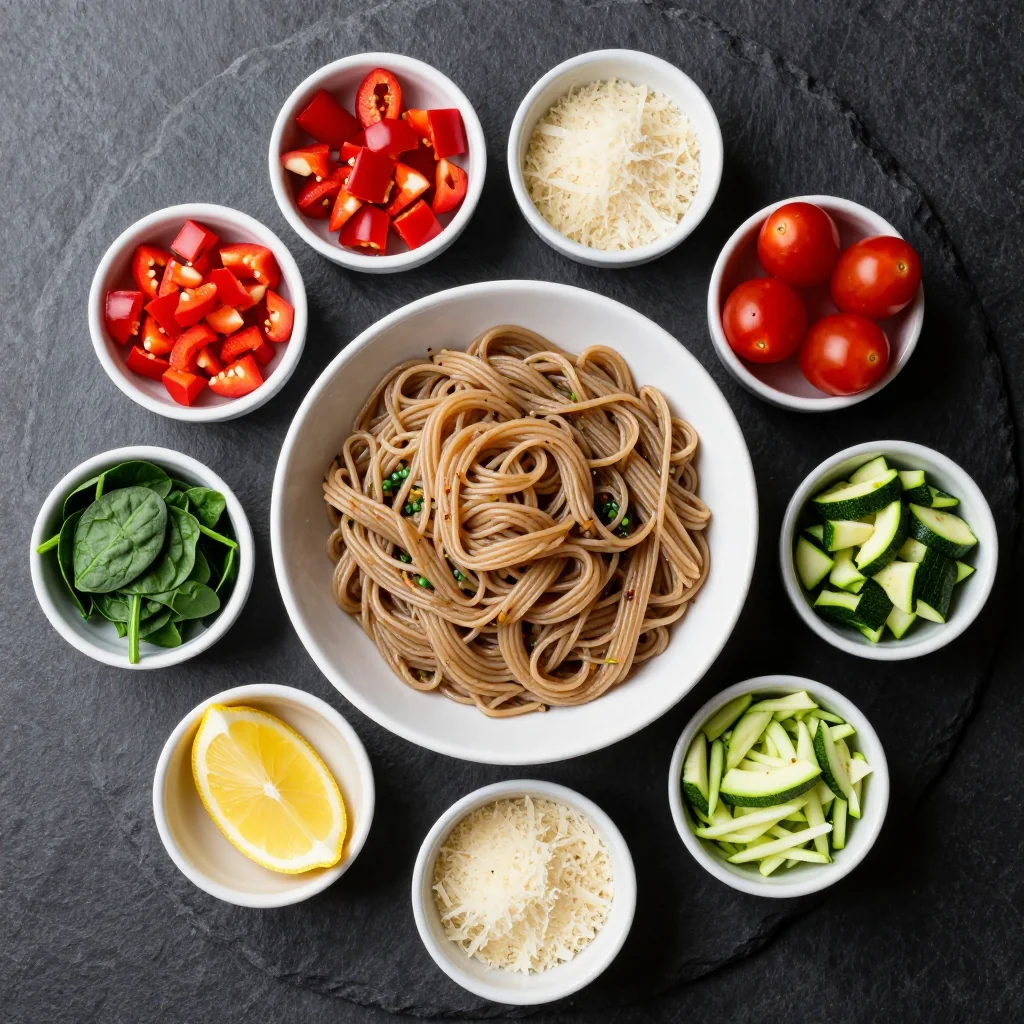
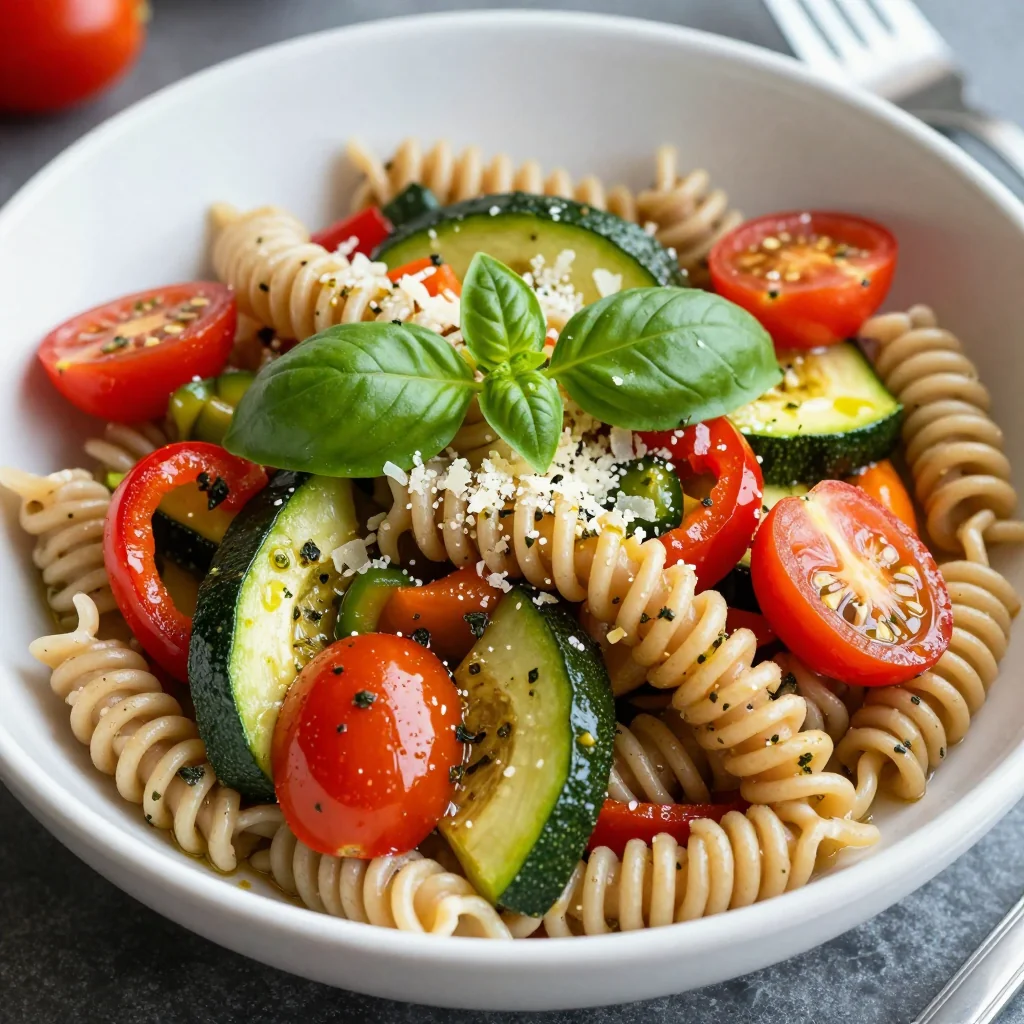
Before we start simmering, let’s talk ingredients. Because vegetables are front and center, quality matters: look for brightly colored, firm produce and give herbs a sniff—if the basil doesn’t smell like summer, skip it. Pasta choice also affects the final calorie count; I use high-protein legume-based fusilli that clocks in at 190 calories per 2 oz dry, but any short whole-wheat or bronze-cut pasta will work.
Pasta: 8 oz (225 g) short pasta such as fusilli, penne, or casarecce. Legume-based varieties add extra protein and fiber, keeping you fuller longer. If you need gluten-free, brown-rice pasta holds up well in one-pot cooking.
Zucchini: 2 medium (about 400 g). Look for glossy skin and minimal give when pressed. We’ll shave half into noodles and dice the rest for varied texture.
Carrots: 2 large (200 g). Choose slender ones—no peeling required, just scrub. A Y-peeler creates gorgeous ribbons that curl around the pasta.
Bell peppers: 1 red and 1 yellow for sweetness and color. When peppers are in season, swap in a handful of baby bell peppers for extra sweetness.
Cherry tomatoes: 1 pint (300 g). The riper, the better; they’ll burst and create a light sauce. If tomatoes are out of season, canned no-salt diced tomatoes (drained) work in a pinch.
Garlic & shallots: 4 cloves garlic and 2 medium shallots deliver mellow sweetness. Substitute spring onions if you prefer a brighter bite.
White beans: 1 can (15 oz) cannellini or great Northern beans, rinsed. They add creaminess and 6 g plant protein per serving. Chickpeas are an earthy alternative.
Vegetable broth: 3 cups low-sodium broth becomes the cooking liquid, infusing the pasta with flavor. Chicken broth is fine for omnivores.
Lemon: Both zest and juice brighten the final dish. Organic lemons have unwaxed skin that’s safe to zest.
Fresh herbs: A generous handful each basil and parsley. If you only have dried herbs, use one-third the amount and add with the broth.
Olive oil: 2 tablespoons extra-virgin. A measured drizzle keeps calories controlled while delivering satiety and flavor.
Optional add-ins: Crushed red-pepper flakes for heat, a sprinkle of nutritional yeast for cheesy notes, or 4 oz cooked shrimp if you want pescatarian flair.
How to Make Low Calorie Veggie Loaded Pasta for Healthy Eating
Expert Tips
Pasta water is liquid gold
If sauce thickens too much, ladle in reserved pasta-broth mixture rather than plain water; the starch maintains silkiness.
Make it nightshade-free
Swap tomatoes for 1 cup diced mango and add 1 teaspoon smoked paprika; the sweetness balances beautifully.
Speedy protein upgrade
Toss in pre-cooked shrimp during the last 2 minutes; they turn pink and tender without extra fat.
Freeze herb cubes
Blend leftover herbs with olive oil and freeze in ice trays; drop a cube into hot pasta for instant freshness.
Calorie-smart cheese swap
For a cheesy vibe without 100 extra calories, whisk 1 tablespoon cornstarch into 2 tablespoons nutritional yeast; sprinkle and toss.
Boost fiber further
Replace 25 percent of the pasta with an equal weight of cauliflower gnocchi; you’ll save 40 calories and add 4 g fiber per serving.
Variations to Try
- Mediterranean: Add ½ cup chopped kalamata olives and 1 teaspoon dried oregano; finish with crumbled feta (measured 1 tablespoon per serving) and fresh dill.
- Spicy Thai: Swap bell peppers for thinly sliced Thai eggplant, use lime instead of lemon, and stir in 1 tablespoon red curry paste with the garlic. Top with cilantro and toasted peanuts.
- Green goddess: Replace cherry tomatoes with 1 cup asparagus tips; blend ¼ cup plain Greek yogurt with 2 tablespoons herbs, fold in at the end for creamy tang.
- Winter comfort: Roast cubes of butternut squash at 425 °F for 15 minutes, then fold into finished pasta along with sautéed kale and a pinch of nutmeg.
Storage Tips
Refrigerator: Cool completely, transfer to airtight glass containers, and refrigerate up to 4 days. The flavors meld beautifully overnight. Reheat with 2 tablespoons water or broth per portion in a covered skillet over medium-low heat for 3 minutes, stirring once.
Freezer: Portion into silicone muffin trays, freeze until solid, then pop out and store in zip-top bags up to 2 months. Thaw overnight in the fridge; texture stays surprisingly intact thanks to sturdy vegetables.
Make-ahead components: Chop vegetables and keep in zip bags lined with paper towels up to 3 days. Measure spices into a small jar. When dinnertime hits, dinner is 20 minutes away.
Frequently Asked Questions

Low Calorie Veggie Loaded Pasta for Healthy Eating
Ingredients
Instructions
- Toast pasta: Heat 1 tablespoon olive oil in a 12-inch deep skillet over medium. Add dry pasta; cook 2 minutes, stirring, until lightly golden.
- Sauté aromatics: Push pasta to edges; add remaining oil, shallots, and garlic. Cook 60 seconds until fragrant.
- Deglaze: Pour in white wine; scrape browned bits and reduce 1 minute.
- Add vegetables: Stir in diced zucchini, carrots, bell peppers, and tomatoes. Season with salt, pepper, and red-pepper flakes; cook 2 minutes.
- Simmer: Add hot broth; bring to boil, then reduce to lively simmer. Cook 9 minutes, stirring every 2 minutes, until pasta is al dente.
- Finish: Fold in beans and zucchini ribbons; cook 1 minute. Off heat, add lemon zest, lemon juice, half the herbs, and nutritional yeast if using. Adjust salt.
- Serve: Divide among bowls; top with remaining fresh herbs and black pepper.
Recipe Notes
For gluten-free, choose brown-rice pasta and monitor closely during simmer. Wine adds depth but can be replaced with equal parts broth. Store leftovers refrigerated up to 4 days or freeze up to 2 months.