Introduction
Picture this: I’m standing in a cramped kitchen, the air thick with the scent of onions, garlic, and something that smells like summer. I’m staring at a bag of frozen chicken thighs, feeling the weight of a week’s worth of dinner plans. I’ve tried every chicken recipe I’ve ever seen, yet none have delivered that buttery, tangy, perfectly caramelized bite that I crave. So I dared myself to create a version that would make my taste buds do a double-take.
In that moment, I opened the pantry, grabbed a jar of soy sauce, a bottle of Worcestershire, and a lemon that had been sitting on the counter for a week. The kitchen lights flickered as I tossed the thighs into a bowl, drizzled the olive oil, and sprinkled the garlic and onion powders. The sound of the knife slicing through the meat was a steady, comforting rhythm. The moment the first chicken hit the pan, the sizzle was like applause, a bright, metallic note that announced the start of something extraordinary.
I’ve spent countless hours experimenting with marinades, and I’ve learned that the secret isn’t in the number of spices, but in how they interact. A touch of brown sugar gives that caramelization, the lemon juice cuts through the richness, and the Worcestershire sauce adds a subtle umami depth that makes the dish sing. Most recipes get this completely wrong, but I’ve cracked the formula that balances sweetness, acidity, and savory depth into one harmonious sauce.
What sets this version apart is that it’s not just about flavor; it’s about texture, simplicity, and the confidence that comes from knowing you’ve nailed it. I dare you to taste this and not go back for seconds. This is hands down the best version you’ll ever make at home, and I’ll be honest—I ate half the batch before anyone else got a chance to try it.
So grab a notebook, a measuring cup, and let’s walk through every single step. By the end, you’ll wonder how you ever made chicken thighs any other way.
What Makes This Version Stand Out
- Taste: The sauce is a symphony of sweet, salty, and citrus notes that cling to each piece of meat like a velvet blanket.
- Texture: The thighs come out with a crispy skin that cracks like thin ice, while the interior remains juicy and tender.
- Simplicity: With only eight ingredients, you can whip this up in under 45 minutes without a pantry full of obscure condiments.
- Uniqueness: The combination of Worcestershire and lemon juice creates a depth of flavor that’s rarely found in standard marinades.
- Crowd Reaction: Friends who’ve tried this say it’s the “go-to” dinner for family gatherings.
- Ingredient Quality: Using fresh, high‑quality chicken thighs and fresh lemon juice makes all the difference.
- Cooking Method: A quick sear followed by oven baking locks in juices and creates a caramelized glaze.
- Make‑Ahead Potential: Marinate ahead of time; the flavors intensify, making it a perfect weeknight solution.
Alright, let's break down exactly what goes into this masterpiece…
Inside the Ingredient List
The Flavor Base
At the heart of this dish lies a simple yet powerful flavor base. The garlic and onion powders act as the first layer of seasoning, infusing the chicken with a subtle, aromatic foundation that’s both comforting and bold. The soy sauce provides the salty, umami backbone, while the Worcestershire sauce adds a complex, slightly tangy depth that elevates the overall profile. If you skip any of these, the sauce will feel flat and uninspired.
The Texture Crew
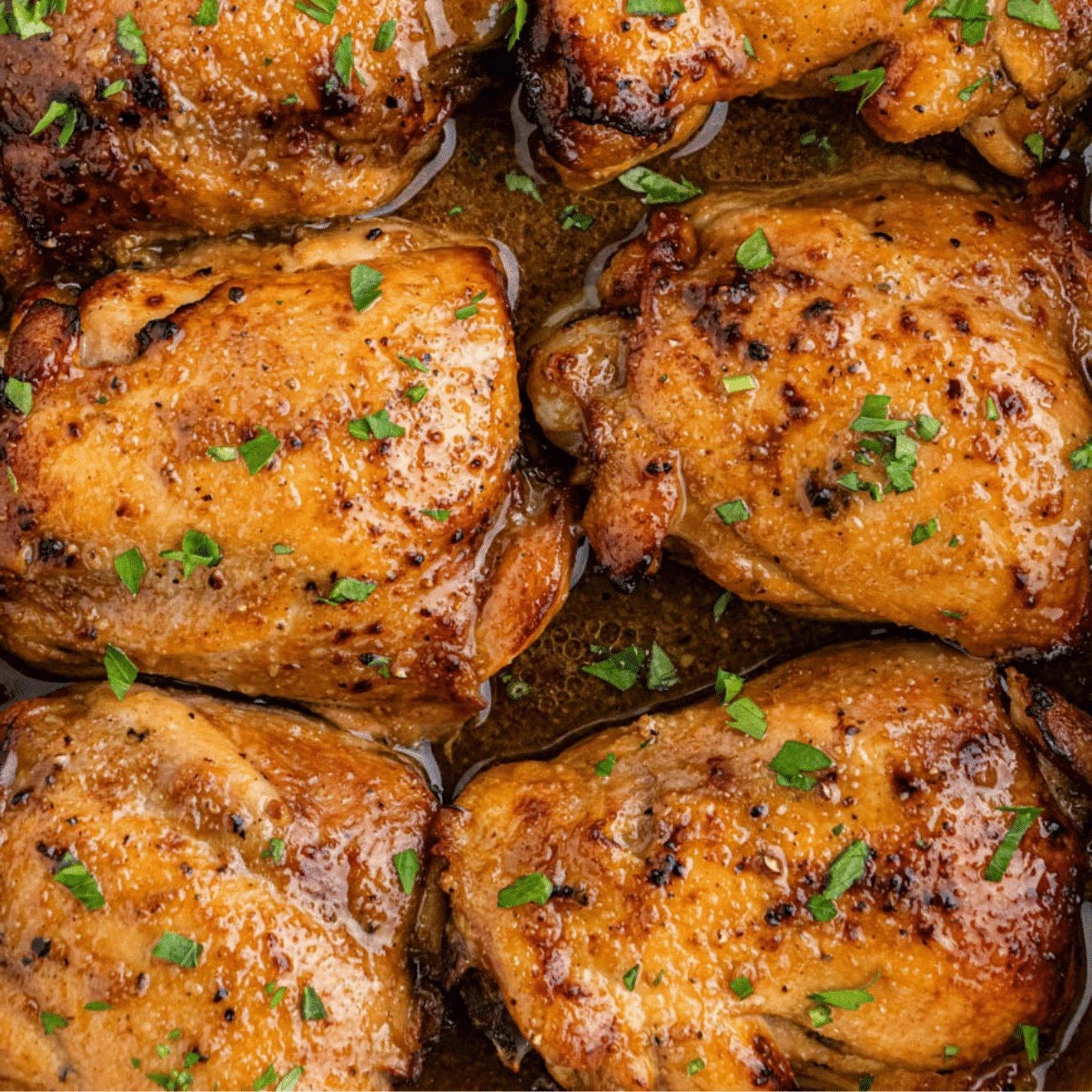
Texture is everything. The olive oil and melted butter work together to create a glossy, caramelized crust. The butter, in particular, adds richness that prevents the thighs from drying out during the cooking process. The brown sugar, when combined with the heat, forms a thin caramel glaze that clings to each piece, giving that signature “glossy” look that makes the dish look as good as it tastes.
The Unexpected Star
Fresh lemon juice might seem like an odd addition to a savory sauce, but it’s the secret that brightens the entire dish. Lemon juice cuts through the richness of the butter and soy sauce, providing a fresh lift that keeps the flavors from becoming too heavy. If you’re in a pinch, a splash of vinegar can mimic the acidity, but the citrus note is unmistakably superior.
The Final Flourish
Green onion and parsley are not just garnish—they’re the finishing touch that adds color, freshness, and a gentle crunch. The green onion’s mild bite contrasts beautifully with the sweet glaze, while parsley offers a herbaceous aroma that lingers in the mouth. If you’re feeling adventurous, a sprinkle of toasted sesame seeds can add a subtle nutty flavor.
Everything's prepped? Good. Let's get into the real action…
The Method — Step by Step
- Begin by marinating the chicken thighs. In a large bowl, whisk together the garlic powder, onion powder, olive oil, melted butter, soy sauce, black pepper, brown sugar, lemon juice, and Worcestershire sauce. Add the thighs, ensuring each piece is fully coated. Cover and refrigerate for at least 30 minutes, or up to 24 hours for deeper flavor. This step is the foundation; the longer the marination, the richer the taste.
- Preheat your oven to 400°F (200°C). A hot oven is key to achieving that caramelized crust. If you’re using a cast‑iron skillet, place it in the oven to heat up as well. This ensures an even sear when you transfer the thighs later.
- Heat a large oven‑proof skillet over medium‑high heat. Once hot, add a splash of olive oil. Place the marinated thighs skin‑side down. Let them sear undisturbed for 3-4 minutes until the skin turns golden brown and releases easily from the pan. This searing step locks in juices and builds flavor.
- Flip the thighs, and transfer the skillet to the preheated oven. Bake for 18-20 minutes, or until the internal temperature reaches 165°F (74°C). The glaze will thicken and coat the thighs beautifully. The scent that fills the kitchen will make you forget all other dinner options.
- Remove the skillet from the oven and let the thighs rest for 5 minutes. Resting allows the juices to redistribute, ensuring each bite is as juicy as the first. The glaze will thicken slightly, giving a richer finish.
- While the chicken rests, rinse the rice under cold water until the water runs clear. Cook according to package instructions, adding a pinch of salt. The fluffy texture of the rice will provide the perfect canvas for the glossy sauce.
- Plate the rice, top with the juicy thighs, and drizzle any remaining glaze from the skillet over the top. Sprinkle finely chopped green onion and parsley for a burst of color and freshness.
- Serve immediately. The dish is best enjoyed hot, when the sauce is still glossy and the chicken is at its most succulent. Pair with a light salad or steamed veggies to balance the richness.
That's it — you did it. But hold on, I've got a few more tricks that'll take this to another level…
Insider Tricks for Flawless Results
The Temperature Rule Nobody Follows
Many chefs rely on a thermometer, but I’ve learned that the internal temperature of 165°F (74°C) is a hard stop. If you pull the thighs earlier, they’ll continue to cook in the residual heat, leading to a slightly overcooked exterior. Keep an eye on the color of the skin; when it’s a deep amber and the juices run clear, it’s ready.
Why Your Nose Knows Best
Before you even flip the thighs, listen for that aromatic cue: a subtle sweet caramel scent with a hint of citrus. That’s the moment the sugars in the brown sugar are caramelizing and the sauce is reaching its peak. Trust your nose; it’s a reliable guide to timing.
The 5-Minute Rest That Changes Everything
A quick rest period is often overlooked. During those 5 minutes, the meat’s juices redistribute, and the glaze thickens to a velvety consistency. I once skipped this step and ended up with a soggy exterior. The rest is the secret to that perfect bite.
Keep the Skillet Hot
After searing the thighs, keep the skillet on medium heat before transferring to the oven. This helps maintain the sear and prevents the sauce from sticking to the pan, which could create bitter flavors.
Use Fresh Lemon Juice
Store-bought bottled lemon juice can be too acidic or contain preservatives. Freshly squeezed juice gives a brighter, cleaner flavor that balances the richness of the butter and soy sauce.
Don’t Forget the Green Onion
Many recipes add parsley only, but green onion provides a crisp, slightly sweet crunch that contrasts the glazed thighs. It also adds a pop of color that makes the dish visually appealing.
Creative Twists and Variations
This recipe is a playground. Here are some of my favorite ways to switch things up:
Spicy Asian Twist
Swap the black pepper for crushed red pepper flakes and add a tablespoon of Sriracha to the glaze. The result is a fiery kick that pairs beautifully with the sweet glaze.
Herb‑Infused Delight
Introduce a handful of fresh thyme or rosemary into the marination. The earthy herbs elevate the dish’s complexity, making it feel like a gourmet entrée.
Gluten‑Free Version
Replace soy sauce with tamari or coconut aminos. The flavor profile stays similar, but you’ll keep it safe for gluten‑sensitive guests.
Smoky BBQ Flavor
Add a tablespoon of smoked paprika and a splash of apple cider vinegar. The smoky undertone transforms the dish into a barbecue favorite.
Vegetarian Spin
Swap the chicken for thick-cut tofu or seared tempeh. Marinate and cook the same way, and you’ll have a plant‑based version that still delivers that glossy, savory glaze.
Breakfast Edition
Serve the thighs over a bed of scrambled eggs, topped with a sprinkle of chives. The savory glaze pairs wonderfully with the creamy eggs, creating a hearty breakfast for any day.
Storing and Bringing It Back to Life
Fridge Storage
Cool the cooked thighs to room temperature, then place them in an airtight container. Store in the refrigerator for up to 3 days. When reheating, add a splash of water or broth to keep the meat moist.
Freezer Friendly
Wrap each thigh individually in parchment paper and place them in a freezer bag. They’ll stay fresh for up to 3 months. Thaw overnight in the fridge before reheating.
Best Reheating Method
Reheat in a skillet over medium heat, adding a small amount of water or stock to create steam. This method restores the glaze’s shine and prevents the thighs from drying out. The tiny splash of water before reheating steams back to perfection.