Picture this: a cramped kitchen, a ticking clock, and a sudden craving that feels like a lightning strike. I was halfway through a bland stir‑fry when a friend dared me to make the most unforgettable bratwurst dinner in under an hour. I grabbed the nearest pack of brats, a handful of buns, and an arsenal of kitchen staples that would soon transform into a symphony of sizzling, smoky flavors. The moment those sausages hit the hot pan, the air filled with a deep, caramelized aroma that made even my skeptical taste buds perk up. I knew from the first sizzle that I was about to break the mold of the usual grill‑only approach.
That single kitchen disaster—burnt onions, soggy buns, and a sauce that tasted like it was still in the fridge—was the catalyst for this recipe. I spent nights tweaking ratios, experimenting with beer infusions, and finally landing on a sauce that coats the brats like velvet while still allowing the meat’s natural juices to shine through. The result? A dish that’s not just a meal but a full‑blown, crowd‑pleasing experience that feels like a celebration in every bite. If you’ve ever been disappointed by a “simple” brat recipe that left you with unevenly cooked sausage and bland buns, this version will rewrite your expectations.
I’ve spent countless hours dissecting what makes a brat truly spectacular: the right balance of smoky, savory, and a hint of sweetness; the texture that flips from crisp to juicy; and the perfect sidekick that keeps everything together without drowning the flavor. In this guide, I’ll walk you through each step, from the first sizzle to the final garnish, ensuring that you achieve the same mouth‑watering results every single time. The secret lies in a few bold techniques and ingredient choices that most recipes overlook.
And now, get ready to dive in. By the time you finish reading, you’ll have a complete playbook that turns ordinary brats into a headline dish. Let me walk you through every single step—by the end, you’ll wonder how you ever made it any other way.
What Makes This Version Stand Out
- Flavor: The sauce blends smoked paprika, beer, and a touch of honey for a smoky sweetness that lingers on the palate. This depth of flavor sets it apart from the typical mustard‑and‑ketchup combo.
- Texture: The brats are first seared to lock in juices, then finished in a beer‑based reduction that gives a glossy, caramelized crust while keeping the interior tender.
- Convenience: All steps can be done in one pan, saving you time and cleanup—ideal for busy evenings or last‑minute dinner parties.
- Versatility: The recipe adapts effortlessly to grilling, stovetop, or even oven‑based methods, making it a go‑to for every cooking setup.
- Crowd‑Pleaser: The combination of savory sausage, tangy sauerkraut, and melted cheese creates a flavor profile that satisfies both meat lovers and those who prefer a bit of veggie crunch.
- Ingredient Quality: Using fresh, high‑quality bratwurst and a good beer elevates the dish, turning a standard meal into a gourmet experience.
- Make‑Ahead Potential: The sauce can be pre‑made and stored, so you can assemble the brats just before serving—perfect for entertaining.
- Heat Control: A carefully timed reduction prevents the sauce from burning, ensuring a silky finish that coats the buns without making them soggy.
Alright, let's break down exactly what goes into this masterpiece...
Inside the Ingredient List
The Flavor Base
The heart of this dish begins with a robust sauce that marries beer, onions, and a splash of mustard. The beer not only imparts depth but also helps tenderize the brats during cooking. A small amount of honey or brown sugar balances the bitterness of the beer, creating a subtle caramel undertone that complements the smoky paprika. If you skip the beer, you lose the signature umami punch that makes the sauce sing.
For those who prefer a non‑alcoholic option, replace the beer with a high‑quality beef broth or a mix of broth and a splash of apple cider vinegar. The acidity will still break down the proteins, though the flavor profile will be slightly lighter. Choosing a dark lager or amber ale gives a richer, more complex taste compared to a pale lager, which is more neutral.
The Texture Crew
Bratwurst sausages are the star, but their texture is amplified by how you handle them. Searing each brat in a hot pan locks in juices and creates a caramelized crust that adds a delightful crunch. The buns, whether pretzel or regular, should be lightly toasted to provide a sturdy base that can hold the sauerkraut and cheese without becoming soggy.
Sauerkraut brings a tangy crunch that contrasts the savory sausage. If you’re looking for a milder option, try using pickled onions or a fresh cucumber salad. The shredded cheddar cheese melts over the warm brats, creating a creamy layer that ties all flavors together. Skipping the cheese means you lose that velvety texture that makes each bite feel indulgent.
The Unexpected Star
A dash of Worcestershire sauce or a spoonful of Dijon mustard can elevate the sauce, adding umami and a subtle heat that cuts through the richness. These ingredients are optional but highly recommended for those who want a more complex flavor profile. If you’re a purist, you can skip them, but I’ll confess that the first time I added a splash of Worcestershire, the brats had a depth that felt almost magical.
Another surprise component is a pinch of smoked paprika. This spice brings a gentle heat and a deep, earthy smokiness that complements the beer’s bitterness. It also gives the sauce a vibrant color that makes the dish look as good as it tastes.
The Final Flourish
The finishing touches involve a light drizzle of olive oil to keep the buns from drying out, a sprinkle of fresh parsley for color, and a squeeze of lemon juice to brighten the overall flavor. These final steps might seem minor, but they transform the dish from good to unforgettable. If you omit the lemon, the sauce can feel a bit flat and the overall dish may lack that bright, lively kick.
Everything's prepped? Good. Let's get into the real action...
The Method — Step by Step
- Prepare the Brats: Pat the sausages dry with a paper towel to ensure a good sear. This simple step prevents steam from forming and gives you a beautiful golden crust. If you’re using frozen brats, thaw them in the fridge overnight or run them under cold water for a quick defrost.
- Heat the Pan: Place a large, heavy‑bottom skillet over medium‑high heat and add one tablespoon of oil. Let the oil shimmer; a quick test is to flick a drop of water—if it dances, the pan is ready. This high heat is essential for caramelizing the sugars in the onions and the brats.
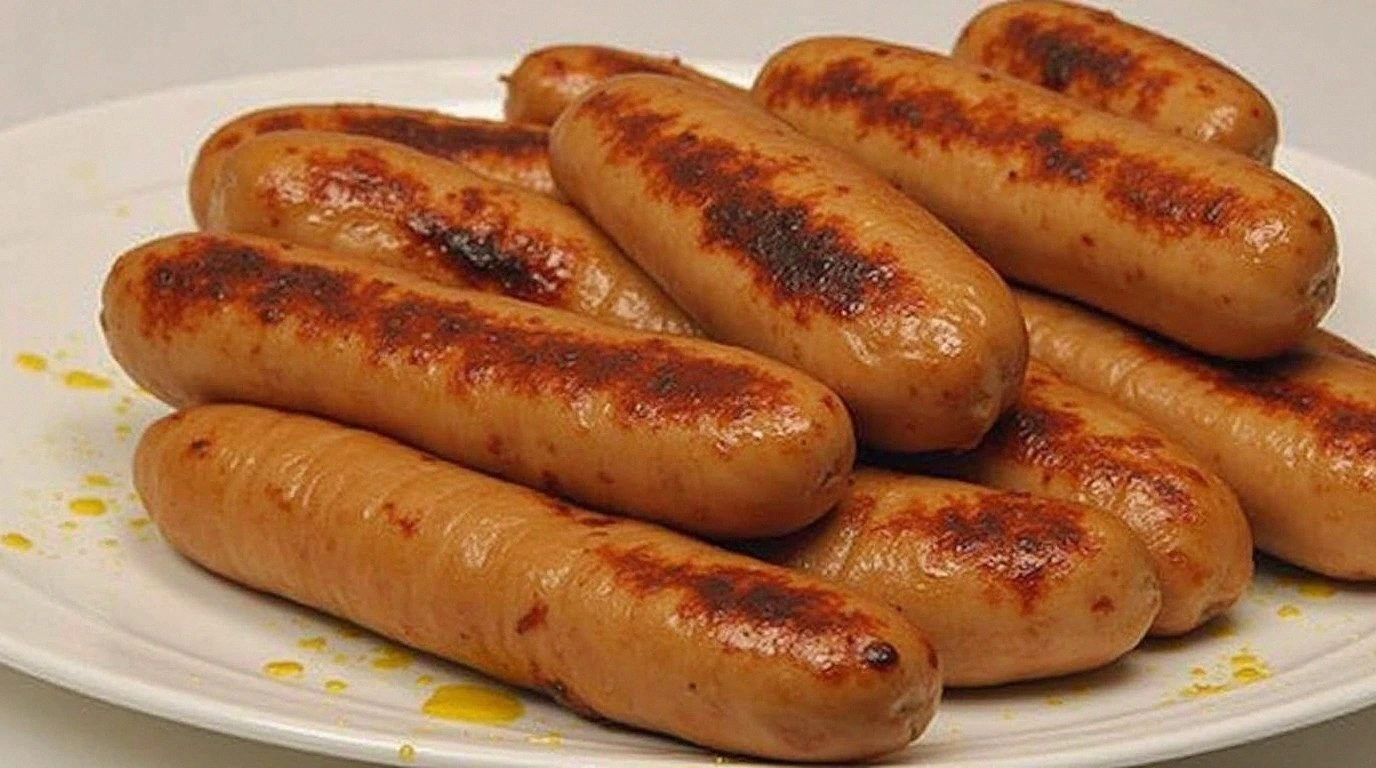
- Sear the Brats: Add the sausages to the hot pan, turning them every 2 minutes so each side gets a crisp edge. Watch for the first golden brown spots; that’s the sign you’re on the right track. The goal is a 5–7 minute sear that locks in juices.
- Add Onions: Once the brats are seared, remove them and set aside. In the same pan, add sliced onions and a pinch of salt. Sauté until translucent and caramelized, about 8 minutes. The onions develop a sweet, buttery flavor that becomes the sauce’s backbone.
- Deglaze with Beer: Pour in one cup of beer, scraping up any browned bits from the pan. These bits are packed with flavor. Let the beer simmer for 3–4 minutes, reducing by about a third to concentrate the taste.
- Add Sauce Ingredients: Stir in a tablespoon of mustard, a tablespoon of ketchup, smoked paprika, garlic powder, onion powder, salt, and pepper. Mix until the sauce thickens slightly, about 2 minutes. The mixture should coat the back of a spoon.
- Finish the Brats: Return the sausages to the pan, nestle them into the sauce, and cover with a lid. Let them steam for 5 minutes so the flavors meld. The brats should be hot and juicy, with a caramelized crust.
- Toast the Buns: While the brats finish, toast the buns in a separate pan or under a broiler until lightly browned. This step keeps the buns from getting soggy when you add the sauerkraut.
- Assemble: Place a generous scoop of sauerkraut on each bun, top with a seared brat, then drizzle the sauce over the sausage. Sprinkle shredded cheddar cheese on top and let it melt for 30 seconds. Finish with a drizzle of olive oil, a pinch of fresh parsley, and a squeeze of lemon juice.
That’s it — you did it. But hold on, I've got a few more tricks that'll take this to another level...
Insider Tricks for Flawless Results
The Temperature Rule Nobody Follows
Most people think a high heat is always best, but the secret lies in controlled searing followed by gentle simmering. Start with medium‑high heat for the first 5 minutes to create a crust, then lower the heat to medium for the remaining cooking time. This approach prevents the outside from burning while the inside remains juicy. If you’ve ever burned a brat, this trick will save you.
Why Your Nose Knows Best
Smell is your best ally when cooking. When the onions start to caramelize, the aroma should be sweet and slightly nutty. If you notice a bitter or sour smell, reduce the heat or add a splash of water to dilute the excess. A strong, pleasant scent means the sauce is on the right track. Trust your nose; it’s a seasoned chef in your kitchen.
The 5‑Minute Rest That Changes Everything
Once the brats are done, let them rest for exactly five minutes before cutting into them. This brief pause allows the juices to redistribute, ensuring every bite is succulent. A friend once sliced a brat right after cooking and found it dry and tough—this rest period is the difference between a mediocre and a memorable meal.
Sauerkraut Secrets
If you buy jarred sauerkraut, rinse it under cold water to reduce its saltiness. For a fresher taste, consider making your own by fermenting cabbage for 7–10 days. Homemade sauerkraut adds a probiotic boost and a cleaner flavor that pairs beautifully with the savory sausage. This step might seem small, but it elevates the dish from ordinary to extraordinary.
Cheese Choice Matters
Cheddar works well, but a sharp aged Gouda or a creamy Gruyère can add a different dimension. The key is to choose a cheese that melts smoothly without becoming greasy. A cheese with a lower moisture content melts faster and creates a glossy coating that enhances the sauce’s texture.
Finishing Touches
A drizzle of high‑quality olive oil right before serving adds a silky finish and prevents the buns from drying out. Sprinkle chopped fresh herbs—parsley, chives, or cilantro—depending on your preference. A squeeze of lemon juice brightens the overall flavor profile, cutting through the richness and adding a refreshing note.
Creative Twists and Variations
This recipe is a playground. Here are some of my favorite ways to switch things up:
Spicy Jalapeño Kick
Add sliced jalapeños to the onions while sautéing, and finish with a dash of chipotle powder. The heat will dance across the brats, giving the dish a smoky, spicy edge that pairs well with the sweet sauce.
Mediterranean Flair
Replace sauerkraut with roasted red peppers and olives. Swap cheddar for feta cheese. The brats get a Mediterranean twist, complete with briny and tangy flavors that transport you to the coast.
Sweet Apple Companion
Incorporate thinly sliced apples into the sauce during the simmering phase. The natural sugars caramelize, creating a sweet‑savory balance that complements the smoky brats and adds a subtle crunch.
Ginger‑Garlic Twist
Stir in minced ginger and a splash of soy sauce to the sauce. This Asian-inspired variation adds depth, umami, and a subtle heat that transforms the dish into a fusion masterpiece.
Vegan Brat Alternative
Use plant‑based bratwurst made from seitan or tempeh. Follow the same cooking process, but reduce the cooking time slightly. The result is a vegan-friendly version that still delivers on flavor and texture.
Bacon‑Wrapped Brats
Wrap each brat in a slice of bacon before searing. The bacon adds a smoky crunch and infuses the sausage with an extra layer of flavor. This variation is perfect for parties where you want to wow the crowd.
Storing and Bringing It Back to Life
Fridge Storage
Cool the brats and sauce to room temperature before placing them in an airtight container. Store in the refrigerator for up to three days. The sauce will thicken slightly, but a quick stir will restore its silky consistency.
Freezer Friendly
For longer storage, freeze the brats and sauce separately in freezer‑safe bags. Label with the date and use within two months. Thaw overnight in the refrigerator before reheating.
Best Reheating Method
Reheat the sauce in a saucepan over low heat, adding a splash of water or broth to loosen it. Warm the brats in a skillet or oven at 300°F for 5–7 minutes, or until heated through. A tiny splash of water before reheating steams the sauce back to perfection, preventing it from drying out.