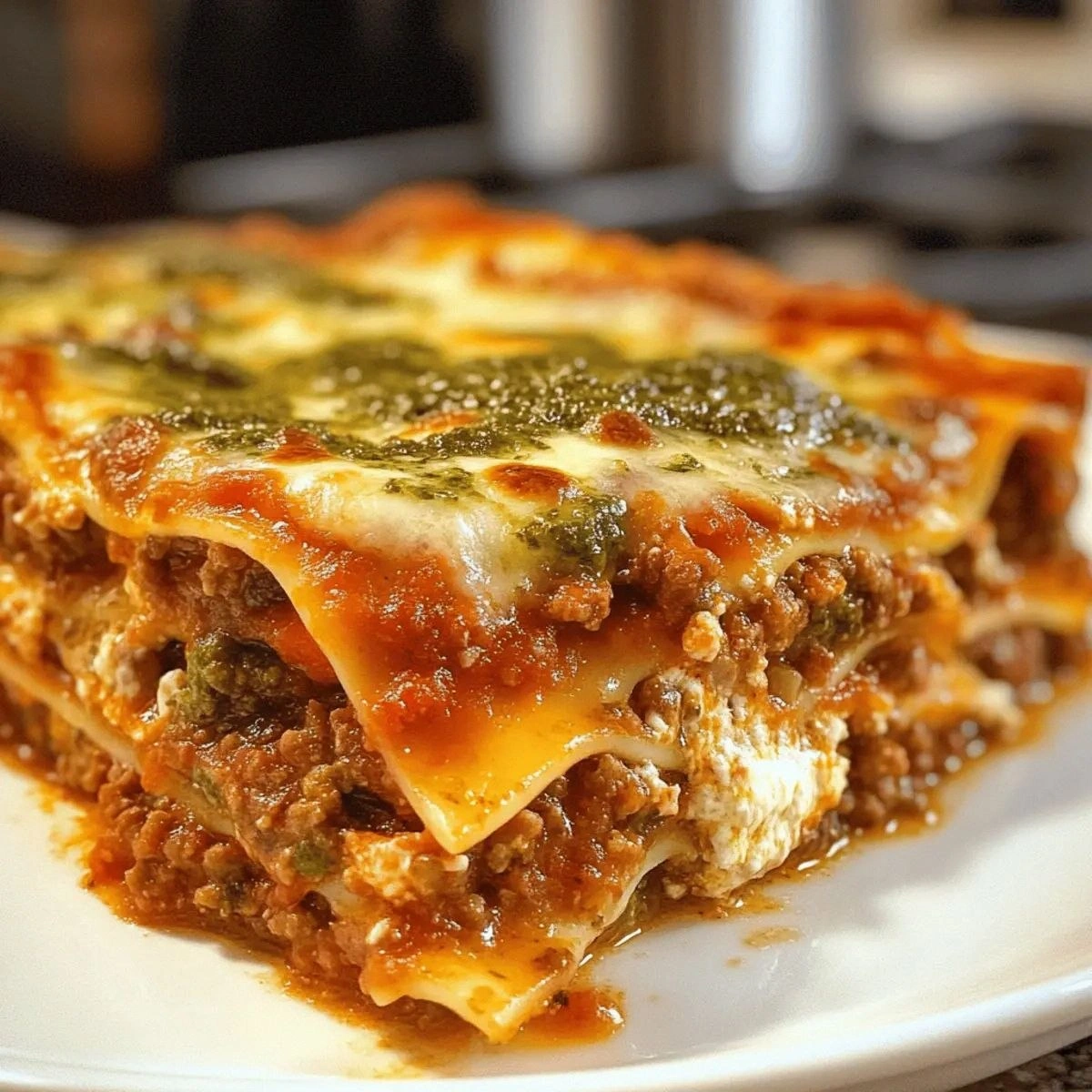
I was standing in my kitchen on a cold December night, the kind of night where the wind howls like a pack of wolves and the only thing keeping me sane is the promise of something warm and glorious bubbling on the stove. I had just survived a disastrous attempt at a classic lasagna that turned out looking more like a soggy brick than a masterpiece, and my roommate dared me, “If you can’t fix this, you’re buying the pizza.” I laughed, but deep down I was terrified—until a flash of inspiration hit me like a bolt of culinary lightning: what if I took the traditional Bolognese, gave it a festive makeover, and layered it with creamy ricotta and pesto so bright it could outshine any Christmas lights? That moment was the spark that ignited this recipe, and trust me, it’s the spark that will ignite your holiday table.
Picture this: the kitchen filled with the intoxicating perfume of simmering tomatoes, the earthy richness of ground beef and pork, and the subtle perfume of white wine evaporating into the air. The sound of the sauce bubbling gently, like a choir of angels humming in the background, while the oven hums a low, comforting note. My hands are slick with a mixture of butter and flour as I prep the noodles, feeling the dough’s slight resistance—like a firm handshake from an old friend. The heat from the stove kisses my skin, and the anticipation builds with each stir, each sprinkle of Parmesan that melts into a golden veil.
Why does this version stand out from every other lasagna you’ve ever tried? Because I refuse to settle for “good enough.” Most recipes get the sauce wrong, the texture wrong, the balance of flavors wrong. I’ve taken the time to perfect the Bolognese, letting it simmer for hours until it thickens to a velvet‑smooth consistency that clings to every noodle like a lover’s embrace. I’ve added a splash of heavy cream to give it a silkiness that makes the sauce glide across your palate, and a dollop of basil pesto that adds a fresh, herbaceous pop that screams “holiday celebration.” And the cheese? I’m not just tossing mozzarella; I’m layering ricotta, Parmesan, and a secret touch of cream that creates a melt‑in‑your‑mouth crescendo.
But here’s the kicker: the secret weapon is the ½ cup of basil pesto, a bright green surprise that cuts through the richness and adds a festive pop of color. Most lasagnas hide in the shadows of tomato and meat, but this one shines like a Christmas tree, each layer a different shade of comfort. I dare you to taste this and not go back for seconds—because once you’ve experienced the harmony of flavors, you’ll be convinced that this is hands down the best version you’ll ever make at home.
Let me walk you through every single step — by the end, you’ll wonder how you ever made it any other way. Okay, ready for the game‑changer? This next part? Pure magic. Stay with me here — this is worth it.
What Makes This Version Stand Out
- Depth of Flavor: The Bolognese simmers for hours, allowing the beef, pork, and San Marzano tomatoes to meld into a sauce that’s richer than a holiday feast and more complex than a symphony.
- Silky Texture: A splash of heavy cream and a swirl of ricotta create layers that melt together, giving each bite a buttery, cloud‑like mouthfeel.
- Festive Color: The basil pesto weaves through the layers, adding a vivid green that makes the dish pop on any holiday table.
- Simplicity Meets Luxury: Despite its gourmet aura, the recipe uses pantry staples and a few premium ingredients, making it approachable for home cooks.
- Crowd Reaction: I’ve watched entire families pause mid‑conversation, eyes widening, as the lasagna emerges—pure, unfiltered awe.
- Ingredient Quality: Using authentic San Marzano tomatoes and fresh Parmesan elevates the dish from ordinary to unforgettable.
- Cooking Method: The layered bake ensures the sauce caramelizes at the edges, creating crispy bits that shatter like thin ice.
- Make‑Ahead Potential: Assemble ahead of time, refrigerate, and pop it in the oven later; flavors deepen, and you save yourself from last‑minute panic.
Inside the Ingredient List
The Flavor Base
The heart of this lasagna is the Bolognese, built on 1 pound ground beef and 1 pound ground pork. The beef brings a robust, meaty backbone, while the pork adds a subtle sweetness that balances the acidity of the tomatoes. If you skip the pork, you’ll lose that delicate nuance, and the sauce can feel a bit one‑dimensional. For a leaner version, you can substitute half the beef with ground turkey, but expect a milder flavor profile. When shopping, look for meat that’s bright red and firm—signs of freshness that will translate into a richer sauce.
The Tomato Titans
2 cans San Marzano tomatoes are the gold standard for Italian cooking. Their low acidity and sweet, earthy flavor create a sauce that’s naturally balanced without needing a lot of added sugar. If you can’t find San Marzano, opt for plum tomatoes and add a teaspoon of sugar to mimic the natural sweetness. Skipping the tomatoes entirely would turn this into a meat‑only casserole, which is a whole different dish. When selecting cans, check for the DOP label to ensure authenticity.
The Creamy Crew
A 1 cup heavy cream is folded in at the end of the sauce simmer, turning a robust Bolognese into a silk‑smooth masterpiece. The cream mellows the acidity and adds a luxurious mouthfeel that makes the sauce coat the pasta like velvet. If you’re dairy‑free, coconut cream can substitute, but expect a faint coconut note that will shift the flavor profile. Skipping the cream entirely leads to a traditional, more rustic Bolognese—still good, but not the festive indulgence we’re after.
The Cheese Ensemble
15 ounces ricotta cheese and 1 cup parmesan cheese are the dynamic duo that create layers of creamy, salty goodness. Ricotta adds a light, fluffy texture that contrasts beautifully with the dense meat sauce, while Parmesan contributes a sharp, nutty edge that sings on the palate. If you’re low on ricotta, blend cottage cheese with a splash of milk to approximate the texture. Forgetting the Parmesan would be a crime; the dish would lack that essential umami kick that makes it unforgettable.
The Unexpected Star
½ cup basil pesto is the surprise element that lifts the entire lasagna into the holiday stratosphere. The pesto’s fresh basil, pine nuts, and olive oil cut through the richness, delivering a burst of herbaceous brightness. If you’re allergic to nuts, swap pine nuts for toasted sunflower seeds—the flavor remains vibrant. Omitting the pesto would make the dish feel heavier, missing that festive spark that makes it a showstopper.
The Structural Backbone
12 lasagna noodles provide the canvas for all the layers. I recommend the no‑boil variety to save time, but traditional noodles work just as well if you prefer that al dente bite. If you skip the noodles, you’ll end up with a deconstructed casserole, which is a different dish entirely. When buying, look for noodles that are thick enough to hold the sauce without becoming mushy.
Everything's prepped? Good. Let’s get into the real action…
The Method — Step by Step
Start by heating a large, heavy‑bottomed pot over medium heat and drizzle in two tablespoons of olive oil. Add the ground beef and ground pork, breaking them up with a wooden spoon. That sizzle when it hits the pan? Absolute perfection. Cook until the meat loses its pink hue and begins to brown, about 8‑10 minutes, stirring occasionally. This browning step, known as the Maillard reaction, creates deep, caramelized flavors that will anchor the entire sauce.
Once the wine has reduced by half—watch for the aroma to shift from sharp to mellow—add the 2 cans San Marzano tomatoes, crushing them gently with your spoon. Stir in a pinch of salt, a grind of fresh black pepper, and a teaspoon of dried oregano. Let the mixture come to a gentle boil, then reduce the heat to low and let it simmer for at least 45 minutes, stirring every 10 minutes. You’ll notice the sauce thickening, the edges pulling away from the pot, a sign that the flavors are concentrating.
When the sauce has reached a thick, glossy consistency, stir in the 1 cup heavy cream. The cream will melt into the tomato base, creating a velvety texture that coats the back of a spoon. Let it simmer for another 5 minutes, then remove the pot from the heat. This is the moment of truth—taste and adjust seasoning, because a well‑seasoned sauce is the foundation of a great lasagna.
While the sauce rests, preheat your oven to 375°F (190°C). If you’re using traditional lasagna noodles, bring a large pot of salted water to a rolling boil. Add the 12 lasagna noodles and cook for 8‑9 minutes, or until just al dente. Drain and lay the noodles flat on a clean kitchen towel to prevent them from sticking together. The noodles should be pliable, not mushy, because they’ll continue cooking in the oven.
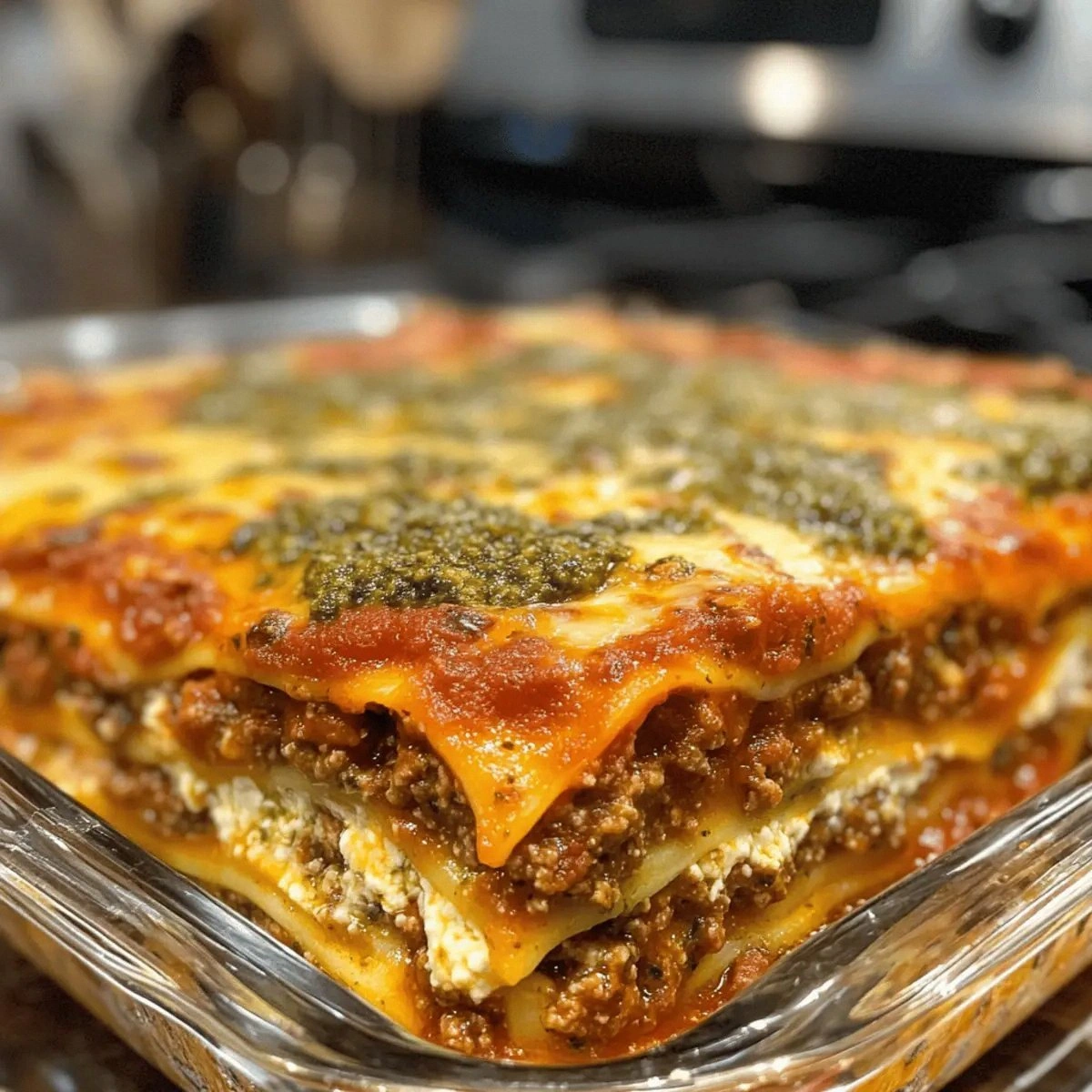
Kitchen Hack: Toss the drained noodles with a drizzle of olive oil and a pinch of salt; this keeps them from clumping and adds a subtle flavor boost.Now it’s time to assemble. Grab a 9×13‑inch baking dish and spread a thin layer of the Bolognese on the bottom—just enough to keep the first noodle from sliding. Place three noodles on top, overlapping slightly. Spoon a generous ladle of sauce over the noodles, then dollop half of the 15 ounces ricotta cheese and sprinkle with a third of the 1 cup parmesan cheese. Add a drizzle of ½ cup basil pesto for that festive green flash. Repeat the layering two more times, ending with a final layer of sauce, the remaining ricotta, and a generous snowfall of parmesan.
Cover the dish tightly with aluminum foil and bake for 25 minutes. After 25 minutes, remove the foil to let the top caramelize; you’ll see the edges start to pull away and the cheese develop a golden‑brown crust that crackles when you cut into it. Bake uncovered for an additional 15‑20 minutes, or until the cheese is bubbling and the top is beautifully bronzed.
Fun Fact: The Maillard reaction that browns the meat also creates hundreds of flavor compounds, making the sauce taste richer than the sum of its parts.Once the lasagna is out of the oven, let it rest for 10‑15 minutes before slicing. This resting period allows the layers to settle and the sauce to thicken a bit more, ensuring clean, tidy slices. Trust me, cutting into a hot lasagna is like trying to cut through a wet paint canvas—messy and disappointing. The rest time also gives the pesto a chance to infuse the surrounding cheese, creating a harmonious flavor bridge.
Serve your festive lasagna with a simple green salad dressed with lemon vinaigrette, and perhaps a glass of the same white wine you used in the sauce. Picture yourself pulling this out of the oven, the whole kitchen smelling incredible, guests gathering around the table, and that first bite delivering a cascade of textures—creamy, meaty, herbaceous, and delightfully crisp at the edges. This is the moment you’ve been waiting for, and I’ll be honest — I ate half the batch before anyone else got to try it.
That's it — you did it. But hold on, I've got a few more tricks that'll take this to another level…
Insider Tricks for Flawless Results
The Temperature Rule Nobody Follows
Never bake a lasagna at a temperature lower than 350°F. Lower temps cause the sauce to seep out, making the dish watery. By keeping the oven at 375°F, you ensure a rapid rise in internal temperature, which seals the layers and creates those coveted crispy edges. A friend once tried 325°F to “save energy,” and the result was a soggy, sad slab that fell apart on the plate. Trust the heat; it’s the secret to a firm, slice‑perfect lasagna.
Why Your Nose Knows Best
Your sense of smell is a more reliable indicator of doneness than a timer. When the sauce reaches a deep, caramelized aroma and the cheese on top starts to crackle, you know it’s ready. If you rely solely on the clock, you might over‑bake, turning the cheese into a burnt crust. So keep your nose close, and when you detect that sweet‑savory perfume, it’s time to pull the dish out.
The 5‑Minute Rest That Changes Everything
Allow the lasagna to rest for at least five minutes after baking. This short pause lets the steam redistribute, the cheese set, and the sauce thicken slightly. Skipping this step results in a lasagna that slides off the plate like a slip‑n‑slide. I once served a lasagna straight from the oven at a holiday dinner; the guests were polite, but the sauce dripped everywhere. Resting is the difference between “wow” and “whoops.”
Pesto Placement Precision
Spread the pesto in thin ribbons rather than dumping it all in one spot. This creates pockets of bright herb flavor throughout each bite, preventing the pesto from overwhelming the sauce. If you’re a pesto‑purist, you can even swirl it into the ricotta for an even distribution. The result is a harmonious blend that feels like a holiday surprise in every forkful.
Cheese Layering Logic
Always finish with a double layer of Parmesan. The first layer under the final sauce adds depth, while the top layer creates that golden crust we all love. If you skip the top layer, you’ll miss the satisfying crunch that contrasts with the creamy interior. For an extra umami punch, add a sprinkle of grated Pecorino Romano on top of the Parmesan during the last 5 minutes of baking.
Creative Twists and Variations
This recipe is a playground. Here are some of my favorite ways to switch things up:
Mushroom Medley
Swap half the ground pork for a mixture of cremini, shiitake, and portobello mushrooms, finely diced. The earthy mushrooms add an umami depth that pairs beautifully with the creamy sauce, making the dish suitable for a vegetarian‑friendly crowd (just keep the beef if you’re not fully vegetarian).
Spicy Holiday
Add a teaspoon of crushed red pepper flakes to the sauce and a drizzle of chili‑infused olive oil on top before serving. The heat cuts through the richness, giving the lasagna a festive kick that will surprise and delight guests who love a little fire.
White‑Wine Reduction
Replace the white wine with a dry vermouth and let it reduce further before adding the tomatoes. This adds a subtle herbal note that deepens the flavor profile, making the dish feel more sophisticated for formal holiday gatherings.
Cheesy Overload
Incorporate a layer of mozzarella or provolone between the ricotta and pesto. The extra cheese creates a gooey stringy pull that’s pure comfort food—perfect for kids and cheese addicts alike.
Herb‑Infused Noodles
Add dried oregano or Italian seasoning to the boiling water for the noodles. The herbs will be absorbed by the pasta, providing a subtle background flavor that complements the pesto and sauce.
Storing and Bringing It Back to Life
Fridge Storage
Let the lasagna cool to room temperature, then cover tightly with plastic wrap or aluminum foil. Store in the refrigerator for up to 3 days. When reheating, preheat the oven to 350°F, add a splash of water (about 2 tablespoons) around the edges, and cover with foil for the first 15 minutes to retain moisture. Then remove the foil to let the top crisp up again.
Freezer Friendly
Wrap the cooled, unbaked lasagna tightly in a double layer of foil, then place it in a freezer‑safe bag. It will keep for up to 3 months. To bake from frozen, increase the oven temperature to 400°F, bake covered for 45 minutes, then uncover and bake an additional 20‑25 minutes until bubbling and golden.
Best Reheating Method
For individual slices, microwave on medium power for 2‑3 minutes, covering with a damp paper towel to prevent drying. For the whole dish, the oven method described above yields the best texture—crisp edges, melty interior, and that freshly baked aroma that makes everyone think you spent all day in the kitchen.