Most recipes get this completely wrong. They either overcook the fish, underseason the veggies, or forget the critical citrus touch that brings everything together. I’ll be honest— I ate half the batch before anyone else got to try it, and the taste was so good I almost blamed my own taste buds. The secret? A few simple tweaks that turn an ordinary dinner into a culinary masterpiece, and I’m about to walk you through every single step—by the end, you’ll wonder how you ever made it any other way.
Okay, ready for the game‑changer? Let’s dive into what makes this version stand out.
What Makes This Version Stand Out
- Taste: The bright lemon and garlic create a flavor profile that is both refreshing and deeply savory, making every bite feel like a burst of sunshine on a cloudy day.
- Texture: The tilapia remains buttery tender, while the veggies maintain a satisfying snap that contrasts beautifully with the fish’s melt‑in‑your‑mouth softness.
- Speed: From prep to plate, you’re looking at under an hour—perfect for those nights when time is a luxury you can’t afford.
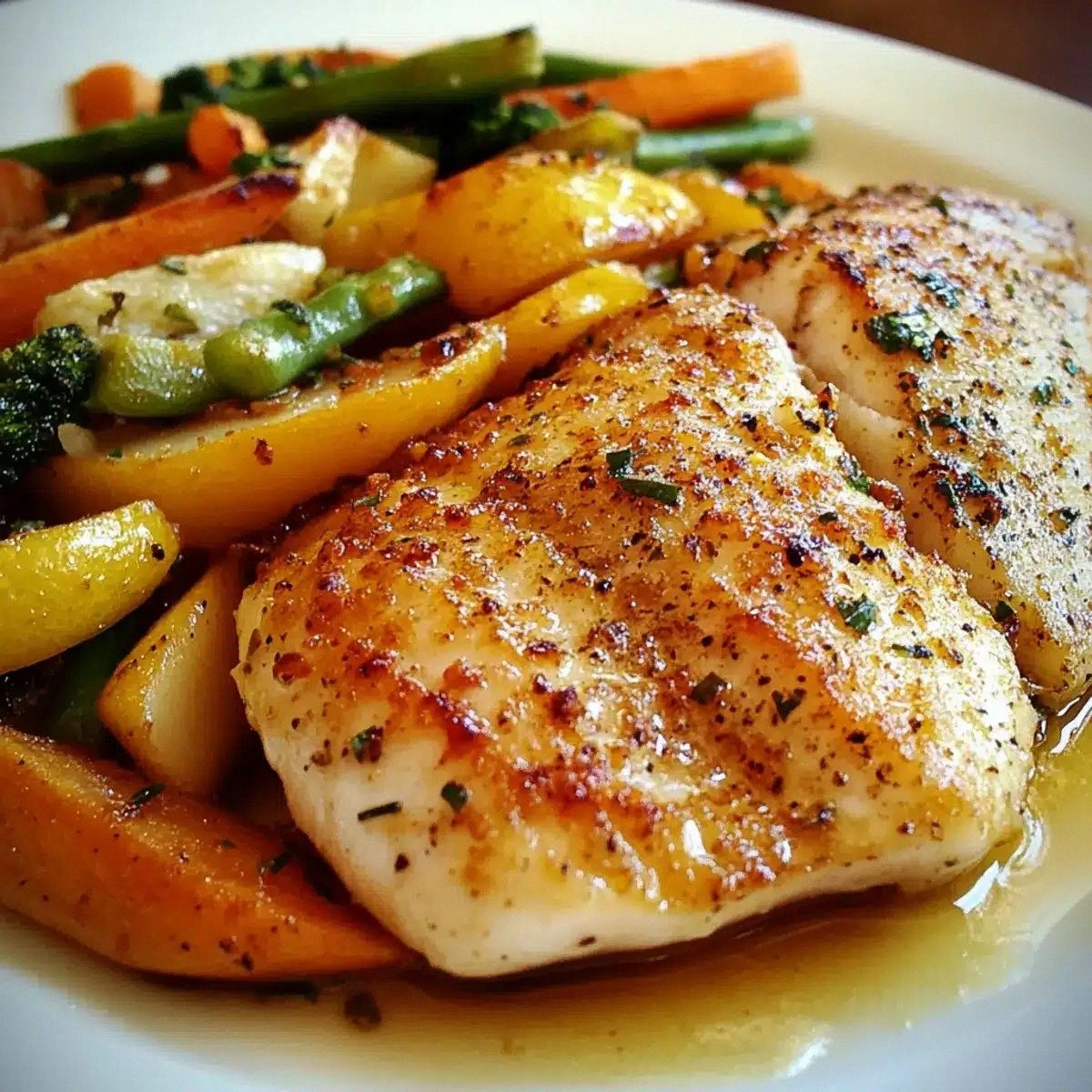
- Color: The vibrant rainbow of bell peppers, zucchini, and cherry tomatoes not only looks Instagram‑ready but also signals a nutrient‑rich meal.
- Audience: Whether it’s a family dinner or a date night, this dish earns rave reviews from picky eaters and seasoned gourmets alike.
- Ingredient Quality: Fresh, local produce is the backbone of this recipe; the fresher the lemon, the brighter the flavor.
- Method: Baking the fish and veggies together reduces clean‑up and locks in moisture, ensuring every bite is juicy.
- Make‑Ahead: You can assemble the dish a day ahead, refrigerate, and simply bake when you’re ready—no compromise on flavor.
Inside the Ingredient List
The Flavor Base
Fresh lemon juice is the star that brings brightness and acidity, cutting through the mildness of tilapia and elevating the entire dish. Without it, the fish would feel flat and the veggies would lack that zing that makes the plate pop. If you’re craving a sweeter profile, you can add a teaspoon of honey to the lemon juice, but be sure to reduce the salt to keep the balance.
The Texture Crew
Olive oil and garlic form a silky coating that keeps the fish moist while giving the veggies a glossy finish. The olive oil also helps the spices adhere to the fillets, ensuring every bite is flavorful. If you’re watching calories, a light spray of oil will still work, but the texture will be slightly less luxurious.
The Unexpected Star
Red pepper flakes bring a subtle heat that lingers on the palate, adding depth without overpowering the delicate fish. If you prefer a milder dish, reduce the flakes to a quarter teaspoon. Conversely, a pinch of smoked paprika can replace the flakes for a smoky undertone.
The Final Flourish
Fresh parsley not only adds a burst of color but also imparts a herbaceous note that balances the citrus. If parsley is out of season, a handful of chopped cilantro will give a different but equally refreshing twist. Remember, the parsley should be added at the end to preserve its bright green hue.
Everything's prepped? Good. Let's get into the real action.
The Method — Step by Step
- Preheat oven to 400°F (200°C). Pat the tilapia fillets dry with paper towels; this helps the seasoning stick and the fish sear slightly. Season both sides generously with salt and pepper, letting the flavors penetrate the flesh. Let the fillets rest while you prep the veggies; this brief pause allows the seasoning to settle.
- Slice the bell peppers into thin strips, dice the zucchini into half‑moon slices, and halve the cherry tomatoes. Toss them in a bowl with a drizzle of olive oil, a splash of lemon juice, and minced garlic. The garlic should release a fragrant steam as it mixes with the oil, signaling that it’s ready for the next step.
- Spread the seasoned veggies on a baking sheet lined with parchment. Arrange the tilapia fillets on top, skin side down if present. This layout ensures the fish cooks evenly and the veggies steam in the juices, creating a cohesive flavor profile.
- Drizzle the remaining lemon juice over the fillets. Sprinkle red pepper flakes and chopped parsley for a pop of color. The parsley adds a fresh herbal note that balances the citrus. The visual contrast of green, red, and yellow will make your plate feel like a work of art.
- Bake for 12–15 minutes, until the fish flakes easily with a fork and the veggies are tender. The edges of the fillets should develop a slight golden crust, like a sun‑kissed finish. Keep an eye on the veggies; they should not brown too much, or they’ll lose their bright colors.
- Watch Out: Do not overcook the tilapia, or it will become dry and rubbery. The internal temperature should hit 145°F (63°C). If you’re unsure, check the thickest part of the fillet with a thermometer. Overcooking will ruin the delicate balance of flavors.
- Once baked, remove the sheet from the oven and let the fish rest for 2 minutes. This short rest allows the juices to redistribute, keeping the fillets moist. While resting, you can stir the skillet garlic oil to combine any remaining juices.
- Plate the tilapia on a bed of the roasted veggies. Drizzle the skillet garlic oil over the top for a glossy finish. Garnish with extra parsley if desired. The final touch of green adds a fresh pop that completes the dish.
- Serve immediately with a side of steamed rice or crusty bread to mop up the citrusy juices. The combination of textures and flavors will have everyone asking for the recipe. Enjoy the symphony of flavors that dance on your palate.
Insider Tricks for Flawless Results
The Temperature Rule Nobody Follows
Many cooks assume that the oven temperature is the only thing that matters, but the real secret lies in the internal temperature of the fish. Use a digital thermometer to check that the thickest part reaches 145°F (63°C); this guarantees a moist, flaky fillet without the dreaded dry texture. If you’re using a convection oven, lower the temperature by 25°F to avoid overcooking.
Why Your Nose Knows Best
A good rule of thumb is to listen to the aroma. When the garlic starts to release its perfume and the lemon becomes slightly caramelized, you’re in the sweet spot. The scent of the veggies turning golden signals that they’re ready to be served. Trust your senses—they’re the best judge of doneness.
The 5-Minute Rest That Changes Everything
Resting the fish for just five minutes after baking allows the juices to redistribute, preventing a dry mouthfeel. During this brief pause, the fillet’s surface will firm up, making it easier to plate without tearing the delicate flesh. If you’re in a rush, skip this step at your own peril.
Keep the Veggies Bright
Adding a pinch of salt to the veggies before roasting helps them retain their color. The salt draws out moisture, which then evaporates, leaving the peppers, zucchini, and tomatoes with a vibrant, almost glossy sheen. This small detail elevates the presentation from ordinary to spectacular.
Use a Non-Stick Pan for the Garlic Oil
When creating the quick garlic glaze, a non-stick skillet prevents the garlic from burning, which can otherwise introduce a bitter note. Keep the heat medium and stir constantly; this ensures a silky sauce that coats the fish beautifully. A burnt garlic can ruin the entire dish.
Creative Twists and Variations
This recipe is a playground. Here are some of my favorite ways to switch things up:
Spicy Cajun Tilapia
Swap the red pepper flakes for a tablespoon of Cajun seasoning. The smoky, peppery profile will turn the dish into a bold, Southern‑inspired delight. Pair it with a creamy coleslaw for a complete meal.
Mediterranean Couscous Bowl
Serve the tilapia and veggies over fluffy couscous mixed with diced cucumber, olives, and feta. The tangy cheese and briny olives complement the citrusy fish, creating a Mediterranean feast.
Thai Coconut Curry Twist
Replace the lemon juice with coconut milk and add a teaspoon of red curry paste. The creamy, spicy sauce transforms the dish into a fragrant Thai curry. Serve over jasmine rice for an authentic touch.
Roasted Sweet Potato Medley
Add diced sweet potatoes to the veggie mix for a touch of natural sweetness. The caramelized edges of the sweet potatoes pair wonderfully with the lemony fish. This version is perfect for a cozy winter dinner.
Pesto-Infused Finish
Drizzle basil pesto over the finished plate for a burst of herbal richness. The green pesto adds a fresh, nutty layer that balances the citrus. It’s an instant upgrade for a special occasion.
Breakfast-Style Breakfast Tacos
Shred the baked tilapia and mix with sautéed peppers and onions. Fill warm corn tortillas and top with avocado slices and a squeeze of lime. This variation turns the dish into a hearty breakfast or brunch option.
Storing and Bringing It Back to Life
Fridge Storage
Store leftovers in an airtight container in the refrigerator for up to 3 days. Keep the fish and veggies separate if you want to maintain their textures. When ready to eat, reheat gently on the stove or in the microwave, adding a splash of water to keep the fish moist.
Freezer Friendly
Freezing works best if you store the fish and veggies separately. Wrap each fillet in parchment and place in a freezer bag; the veggies can be frozen in a single layer on a baking sheet before bagging. Reheat in the oven at 350°F (175°C) for 15 minutes, then finish in a skillet with a drizzle of olive oil.
Best Reheating Method
The quickest way to revive the dish is to place the fish and veggies in a skillet over medium heat, adding a tablespoon of water or broth. Cover and let steam for 2-3 minutes, then stir to distribute heat evenly. Finish with a squeeze of fresh lemon for that bright, fresh flavor.