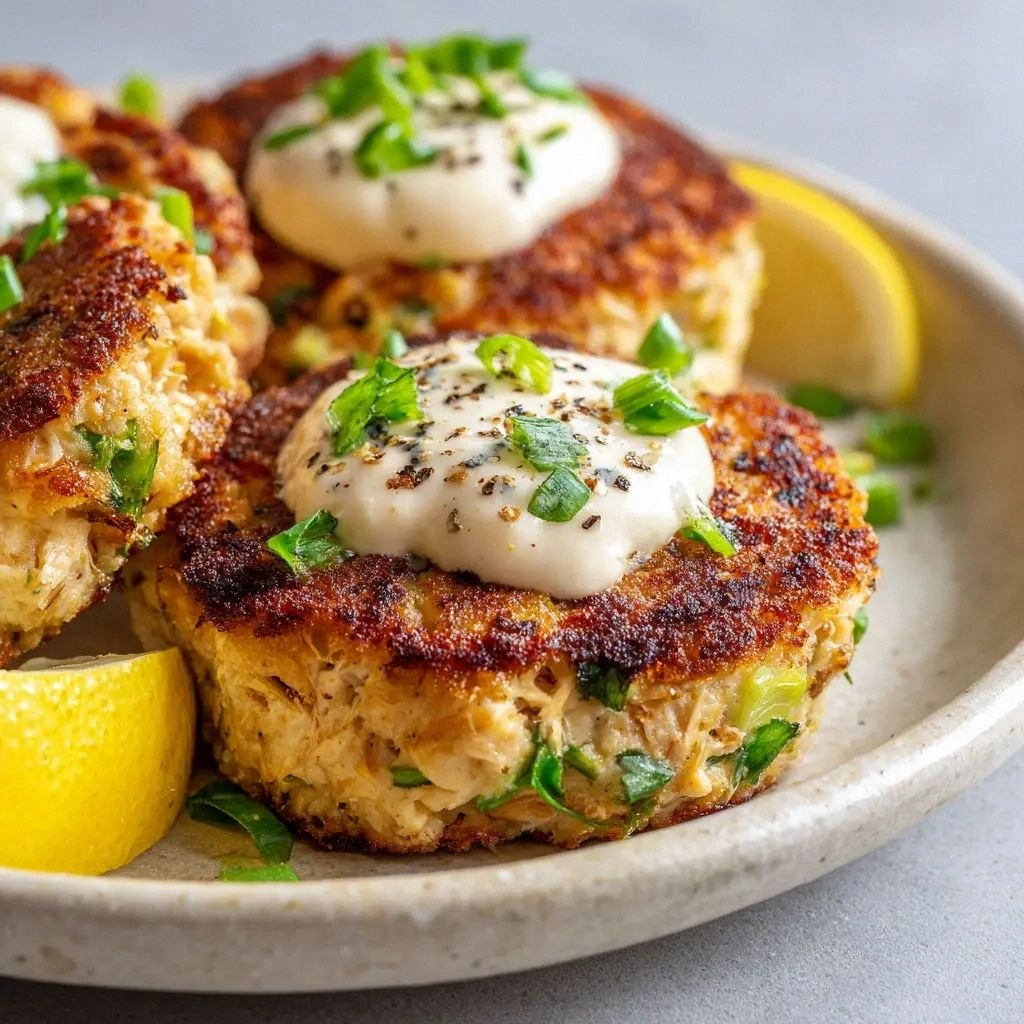
Picture this: it’s a rainy Saturday, you’re craving something light but craveful, and you’ve got a tin of light tuna and a jar of cottage cheese staring at you like a culinary dare. I was trying to salvage a dinner that had already gone awry—my lasagna had turned into a soggy, unappetizing mess and the family was politely nodding while their eyes drifted toward the fridge. That’s when the idea hit me: why not turn the humble tuna and cottage cheese into a crispy, golden‑brown delight that could be plated in seconds and still feel like a gourmet treat? I grabbed my skillet, flicked on the stove, and the aroma of toasted Panko and fresh herbs filled the kitchen. The sizzling sound was a promise: this is going to be good.
I dare you to taste this and not go back for seconds. The first bite is a crisp, almost crackling shell that gives way to a moist, savory center. The subtle tang of lemon lifts the whole thing, while the fresh parsley and scallions add a bright, almost citrusy crunch that keeps the flavors from feeling flat. If you’re a fan of comfort foods that still manage to feel sophisticated, this is the kind of dish that will make you question every other tuna recipe you’ve ever tried. And trust me, when I first made it, I ate half the batch before anyone else got a chance to taste it.
Most recipes get this completely wrong. They either leave the tuna too dry, or they forget the crucial step of binding the mixture with eggs and mayonnaise to keep the cakes from falling apart. The secret here is the combination of a light, airy Panko coating and the natural moisture of the cottage cheese, which together create a texture that is simultaneously crunchy on the outside and tender on the inside. The lemon zest and juice bring a brightness that cuts through the richness of the eggs and mayonnaise, giving the dish a clean finish that feels both indulgent and refreshing. It’s this balance that makes this version stand out from every other recipe out there.
I’ll be honest — I was skeptical at first because the idea of mixing tuna with cottage cheese sounded like a compromise. But the moment the skillet hit the heat, the mixture began to set, and the golden crust formed like a sunrise over a quiet lake. The subtle hint of black pepper and a dash of salt gave it that savory depth that keeps you coming back for more. And if you’re wondering what technique or ingredient you won’t expect, let me tell you: the use of fresh parsley in the batter adds a subtle earthiness that elevates the entire dish. Stay with me here — this is worth it.
Let me walk you through every single step — by the end, you'll wonder how you ever made it any other way. This isn’t just a recipe; it’s a culinary experiment that will change the way you think about tuna, cottage cheese, and crispy textures. The next few sections will break down every element, from the flavor base to the final flourish, and show you how to make this dish with confidence and flair. So grab your apron, and let’s get cooking.
What Makes This Version Stand Out
- Texture: The dual-layered crunch of toasted Panko and the airy interior of cottage cheese creates a mouthfeel that feels both indulgent and surprisingly light. Each bite offers a satisfying snap that gives way to a moist, flavorful center.
- Flavor: Fresh parsley and scallions add a bright, herbaceous note that lifts the savory tuna, while lemon zest and juice provide a citrusy brightness that keeps the dish from feeling heavy.
- Ease: No elaborate sauces or complex marinades—just a few pantry staples combined with a quick mixing step. The entire prep takes under 15 minutes, making it perfect for busy weeknights.
- Versatility: Works as a snack, a side dish, or a light main course. Pair it with a salad, serve it on toast, or add a drizzle of aioli for extra decadence.
- Crowd‑pleaser: The crispy exterior and tender interior make it a hit with both kids and adults. It’s the kind of dish that invites compliments and second servings.
- Nutrition: Packed with protein from tuna and cottage cheese, the dish remains relatively low in carbs while offering healthy fats from olive oil. It’s a balanced option for a quick, wholesome meal.
Inside the Ingredient List
The Flavor Base
The combination of light tuna and small curd cottage cheese is the heart of this dish. The tuna provides a clean, meaty flavor that carries the other seasonings, while the cottage cheese adds moisture and a subtle tang. If you skip the cottage cheese, the cakes will be dry and crumbly; if you omit the tuna, you’ll end up with a bland, cheesy batter that lacks depth. The key is to use a tuna that’s still moist—don’t drain it for too long, or you’ll lose the juicy bite that makes each cake so satisfying.
The Texture Crew
Panko breadcrumbs are the secret weapon for achieving that signature golden crust. Unlike regular breadcrumbs, Panko has a lighter, airier texture that crisps up beautifully when fried. You can also experiment with almond flour for a gluten‑free version, but the texture will shift slightly—think more cake‑like than crunchy. The eggs act as a binder, holding everything together, while the mayonnaise adds a silky richness that keeps the interior moist. If you’re avoiding mayonnaise, a light dollop of Greek yogurt can substitute, though the flavor profile will change subtly.
The Unexpected Star
Fresh parsley isn’t just a garnish—it’s a flavor enhancer that brings a bright, slightly peppery note to the batter. The scallions add a mild onion flavor that cuts through the richness of the eggs and mayonnaise. Together, these herbs bring depth without overpowering the tuna. If you’re looking for a smoky twist, a pinch of smoked paprika can be added to the batter, giving the cakes a subtle, savory undertone.
The Final Flourish
A whole lemon is the finishing touch that turns this dish from good to unforgettable. The zest adds a burst of citrus oils that elevate the entire flavor profile, while the juice provides a natural acidity that brightens the savory base. The coarse cracked black pepper adds a gentle heat that’s just enough to keep the dish interesting. If you’re in a pinch, a splash of lemon juice and a dash of salt can suffice, but the whole lemon gives a richer, fresher taste.
Everything's prepped? Good. Let's get into the real action...
The Method — Step by Step
- Begin by draining the canned tuna as thoroughly as possible. The goal is to remove excess liquid so the batter doesn’t become watery. Place the tuna in a medium bowl and use a fork to break it into small flakes, ensuring a smooth consistency that will bind with the other ingredients.
- Add the small curd cottage cheese to the tuna. The cottage cheese should be at room temperature; if it’s too cold, it won’t mix as smoothly. Stir the mixture until the tuna and cheese are fully combined, forming a creamy base that will hold the cakes together.
- In a separate bowl, whisk together the two large eggs and the 1/4 cup mayonnaise. The eggs provide structure, while the mayo adds a silky richness that prevents the cakes from drying out during frying. Once the mixture is smooth, pour it into the tuna and cottage cheese mixture, and stir until everything is evenly incorporated.
- Fold in the 1/2 cup Panko breadcrumbs, the finely chopped 2 tbsp fresh parsley, and the 1/4 cup scallions. The breadcrumbs not only provide crunch but also absorb any excess moisture, ensuring a crisp exterior. Stir gently to avoid breaking the Panko into smaller crumbs.
- Season the mixture with 1/2 tsp kosher salt, 1/4 tsp coarse cracked black pepper, and the zest of one whole lemon. The salt enhances the tuna’s natural umami, while the pepper adds a subtle heat. The lemon zest infuses the batter with a bright, citrusy aroma that will linger on the plate.
- Heat 2 tbsp olive oil in a large non-stick skillet over medium heat. When the oil shimmers and a drop of water sizzles, the pan is ready. Spoon the batter into the pan, forming 8–10 cakes, each about 1½ inches thick. Use a spatula to gently press the cakes down so they form a uniform shape.
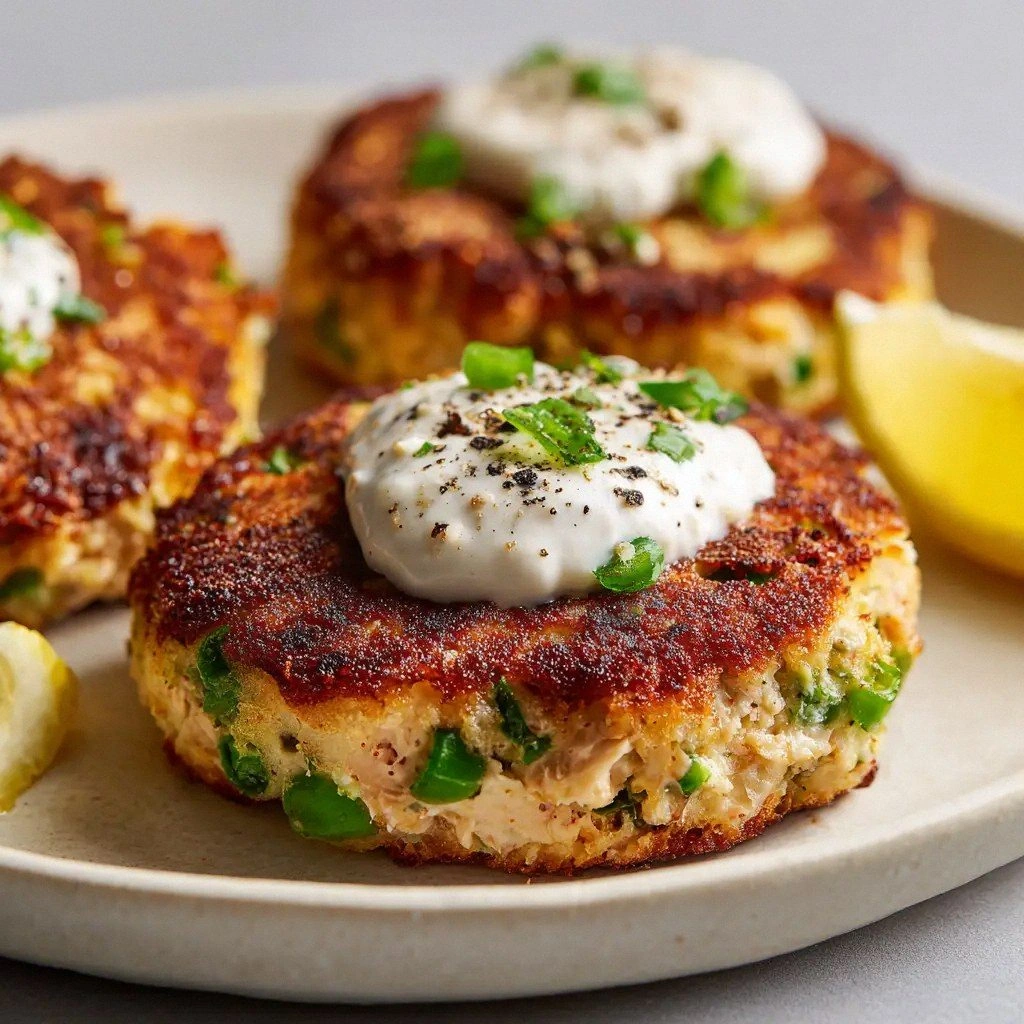
- Cook the cakes for 4–5 minutes on the first side, or until the edges turn golden brown and the bottom releases easily from the pan. Flip them carefully with a spatula and cook for another 3–4 minutes on the second side. The interior should feel firm, and a faint scent of toasted Panko will confirm that the cakes are done.
- Remove the cakes from the skillet and place them on a paper towel-lined plate to absorb excess oil. Let them rest for a minute; this allows the flavors to settle and the crust to crisp further. Serve immediately with a squeeze of fresh lemon juice and a sprinkle of extra parsley if desired.
That’s it — you did it. But hold on, I've got a few more tricks that'll take this to another level. The next section will reveal insider tips that will help you perfect the texture, flavor, and presentation of these golden delights.
Insider Tricks for Flawless Results
The Temperature Rule Nobody Follows
Many cooks start frying at a low heat and then increase it, which can cause the cakes to burn on the outside while remaining raw inside. The trick is to preheat the skillet to medium and keep it steady; this ensures an even crust without overcooking the interior. If you notice the oil smoking, lower the heat slightly. Consistency in temperature is key to achieving that perfect golden-brown finish.
Why Your Nose Knows Best
Before you flip the cakes, pause and inhale the aroma. A sharp, nutty scent means the Panko is toasted to perfection. If the smell is more buttery, the oil may be too hot. Trusting your nose can save you from a batch of soggy cakes and keep the flavor profile on point.
The 5‑Minute Rest That Changes Everything
After removing the cakes from the skillet, let them rest on a wire rack for five minutes instead of a paper towel. This allows steam to escape, preventing the bottom from becoming soggy. The result is a crisp base that contrasts beautifully with the tender interior.
Use a Skillet with a Lid
Covering the skillet for the first minute of cooking traps heat and helps the cakes cook evenly from all sides. Once the bottom is golden, lift the lid to allow excess moisture to evaporate. This subtle step ensures a uniform crust and a moist interior.
Add a Touch of Honey
If you’re feeling adventurous, drizzle a thin line of honey over the cakes just before serving. The natural sweetness pairs wonderfully with the savory tuna and bright lemon, creating a balanced flavor profile that elevates the dish from ordinary to extraordinary.
Serve with a Tangy Yogurt Dip
Whip together plain Greek yogurt, a squeeze of lemon, and a pinch of salt for a creamy dip that complements the crispy cakes. The yogurt’s tanginess cuts through the richness, while the lemon echoes the citrus notes in the batter, creating a harmonious bite.
Creative Twists and Variations
This recipe is a playground. Here are some of my favorite ways to switch things up:
Mediterranean Delight
Swap the parsley for fresh oregano and add diced sun‑dried tomatoes to the batter. Serve with a drizzle of olive oil and a sprinkle of feta cheese. The Mediterranean flavors will transport you straight to the coast.
Spicy Sriracha Kick
Fold in a tablespoon of Sriracha into the batter for a spicy heat that balances the mild tuna. Top the finished cakes with a dollop of sriracha mayo for an extra punch. This version is perfect for those who love a fiery bite.
Avocado Cream Fusion
Replace the mayonnaise with mashed avocado for a healthier, creamier texture. The avocado adds a subtle buttery flavor that complements the tuna. Finish with a squeeze of lime for a fresh twist.
Cheesy Baked Version
Sprinkle shredded mozzarella over the top of each cake before baking at 400°F for 10 minutes. The cheese will melt into a golden crust, adding a gooey, indulgent element to the dish.
Herb‑Infused Yogurt Dip
Mix Greek yogurt with chopped dill, chives, and a dash of lemon juice to create a refreshing dip. This dip pairs beautifully with the crispy cakes, providing a cool contrast to the warm, savory batter.
Smoky Chipotle Twist
Stir in a teaspoon of chipotle powder or a few drops of chipotle in adobo sauce for a smoky depth. The heat is mellow but unmistakable, turning the cakes into a bold, adventurous dish.
Storing and Bringing It Back to Life
Fridge Storage
Place the cooked cakes in an airtight container and refrigerate for up to 3 days. To keep them crisp, store the cakes on a paper towel to absorb excess moisture. When ready to serve, reheat briefly in a skillet or microwave.
Freezer Friendly
Lay the cakes flat on a parchment-lined tray and freeze until solid, then transfer to a freezer bag. They’ll keep for up to 2 months. To reheat, place directly from the freezer into a hot skillet for a few minutes on each side.
Best Reheating Method
The secret to restoring crispness is to reheat in a skillet with a splash of olive oil over medium heat. A tiny splash of water can be added to create steam, which helps the interior reheat without drying out. Finish with a squeeze of fresh lemon for that bright, fresh finish.