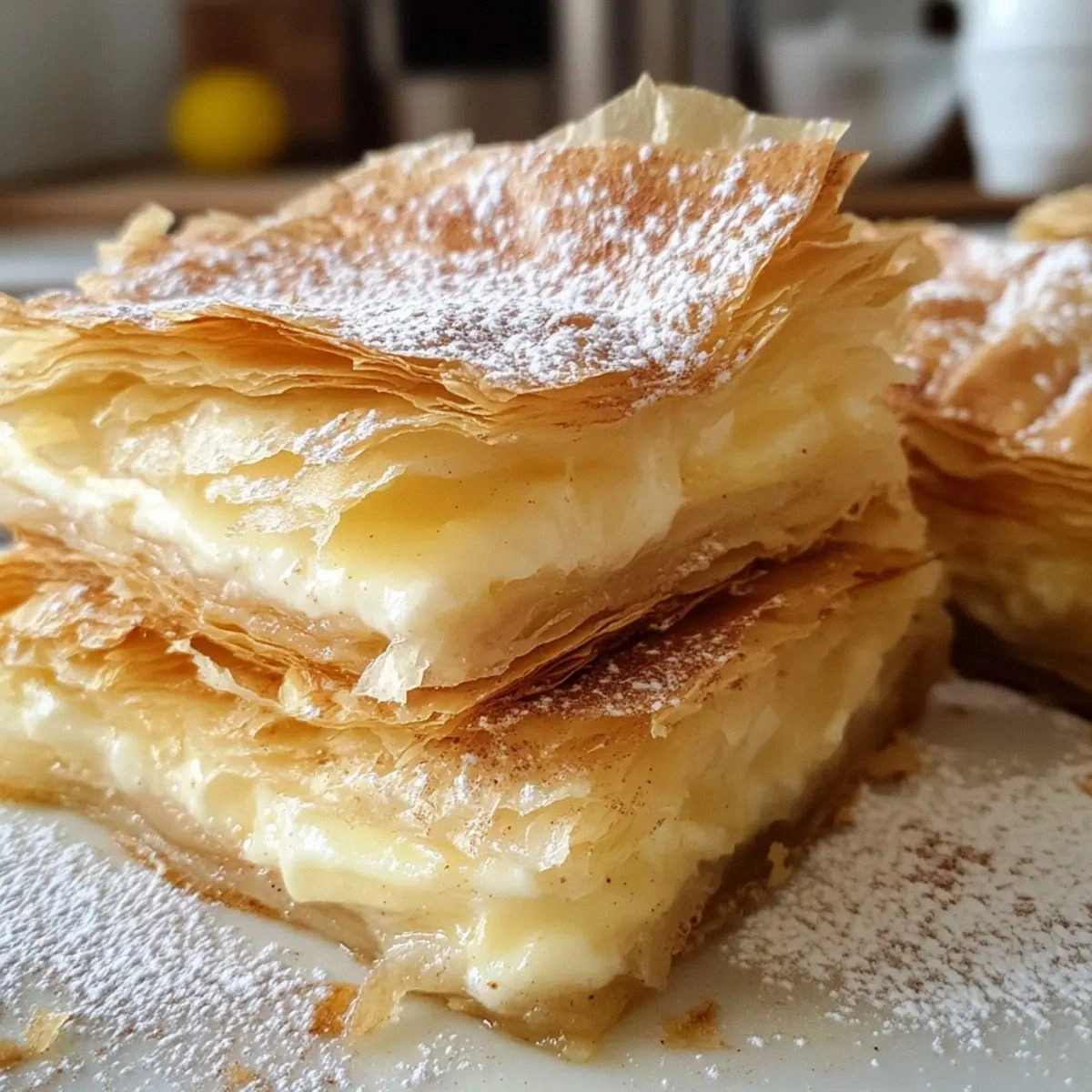
I was in the middle of a chaotic Tuesday night when my roommate dared me to turn a simple box of phyllo dough into something that would make our tiny kitchen feel like a five‑star patisserie. I stared at the paper‑thin sheets, half‑crumpled, and thought, “What if I could give them a buttery, flaky armor that hides a river of silky custard?” The idea sparked a midnight experiment that involved a lot of butter, a lot of patience, and a lot of “what‑if” moments. The first batch burned a little too fast, the second turned out soggy, and by the third I finally nailed the perfect balance of crunch and cream. That moment—when the first golden triangle cracked open to reveal warm, fragrant custard—was pure culinary fireworks. I dare you to taste this and not go back for seconds.
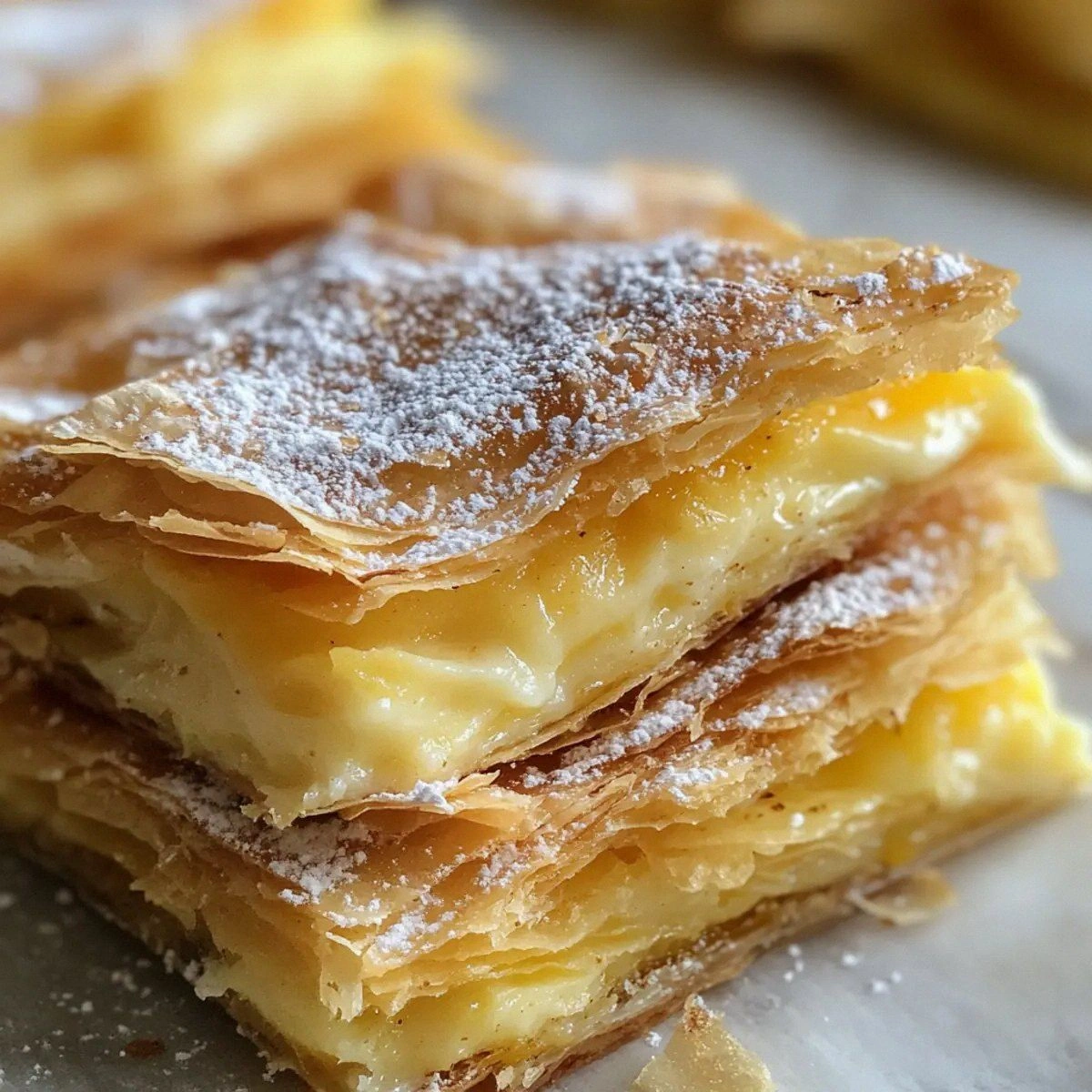
Picture this: the kitchen humming with the gentle sizzle of butter‑browned phyllo, the air thick with the sweet scent of vanilla and caramelized sugar, and a golden‑brown lattice that shatters like thin ice under a fork. The custard inside is a velvety river, warm and fragrant, with just enough vanilla to make your nose do a happy dance. When you bite, the contrast is instant—the crisp, buttery shell gives way to the silky, slightly sweet custard that coats your tongue like a warm blanket. That sensation is what makes this dish unforgettable, and it’s exactly why I’m shouting from the rooftops that this is hands down the best version you’ll ever make at home.
Most recipes get this completely wrong. They either drown the phyllo in oil, turning it into a greasy mess, or they under‑cook the custard, leaving it curdled and unappealing. I’ve cracked the code by using melted butter instead of oil, brushing each sheet lightly, and letting the custard set just enough to stay liquid but firm enough to hold its shape. The secret ingredient? A pinch of ground cinnamon dusted on top before the final bake, which adds a whisper of warmth that elevates the whole dish. And let’s not forget the final flourish: a generous dusting of icing sugar that melts into the warm custard, creating a sweet glaze that looks as good as it tastes.
Okay, ready for the game‑changer? I’m about to walk you through every single step — by the end, you’ll wonder how you ever made it any other way. Stay with me here — this is worth it.
What Makes This Version Stand Out
- Texture: The phyllo is brushed with butter layer after layer, creating a crisp that shatters like thin ice while staying delicate enough to fold around the custard without tearing.
- Flavor: A warm vanilla‑infused custard paired with a hint of cinnamon creates a comforting yet sophisticated taste profile that beats any store‑bought pastry.
- Simplicity: Only nine core ingredients, all pantry staples, meaning you won’t need a trip to the specialty store to pull this off.
- Make‑Ahead Potential: The custard can be prepared up to a day ahead, and the assembled pastries freeze beautifully, ready for a quick bake before serving.
- Visual Impact: The golden layers and dusting of icing sugar give a professional look that’s perfect for brunches, dinner parties, or a solo indulgence.
- Ingredient Quality: Using real butter and fresh milk makes the custard richer, while high‑quality phyllo ensures that each bite is a perfect crunch.
- Crowd Reaction: Guests often claim they’ve never tasted anything like it, and the “warm custard surprise” gets repeated requests for seconds.
- Versatility: You can swap the vanilla for orange zest, add a layer of fruit jam, or sprinkle toasted nuts for a new twist each time.
Inside the Ingredient List
The Flavor Base
Fresh milk is the heart of the custard, providing a creamy canvas that lets the vanilla shine. Using whole milk, not skim, ensures the custard stays luscious and doesn’t turn grainy. If you substitute with a plant‑based milk, opt for a full‑fat version like oat or almond, and add a splash of extra butter to keep the richness.
The Sweeteners
Sugar not only sweetens but also helps stabilize the custard, preventing it from curdling during the gentle heat. Icing sugar is reserved for the final dusting; its fine texture melts into the warm custard, creating a glossy finish. If you prefer a less sweet version, reduce the granulated sugar to 80 grams and still enjoy the buttery depth.
The Texture Crew
Butter, melted to a liquid gold, is brushed onto each phyllo sheet, creating that signature crunch. Skipping butter for oil will make the pastry soggy and greasy—trust me, I’ve tried. Cornstarch is the unsung hero that thickens the custard just enough to hold its shape without becoming a pudding. Eggs add silkiness and structure; missing even one will make the custard too runny.
The Unexpected Star
Ground cinnamon may seem like a minor garnish, but it adds a subtle warmth that ties the entire dish together. A pinch is enough; too much will overpower the vanilla. If you’re feeling adventurous, try a dash of cardamom for a Middle‑Eastern twist.
Everything's prepped? Good. Let’s get into the real action…
The Method — Step by Step
First, melt the butter in a small saucepan over low heat until it’s just bubbling, then set it aside to cool slightly. This step is crucial because butter that’s too hot will make the phyllo soggy, while butter that’s too cold won’t spread evenly. Pro tip: Use a silicone brush to coat each sheet—this gives you a thin, even layer and prevents clumping. That sizzle when it hits the pan? Absolute perfection.
While the butter rests, whisk together the milk, sugar, and vanilla extract in a medium saucepan. Heat over medium‑low, stirring occasionally, until the sugar dissolves and the mixture is just steaming—don’t let it boil or you’ll scorch the milk. Watch out: A rolling boil will cause the custard to curdle later.
In a separate bowl, combine the cornstarch with a few spoonfuls of the warm milk mixture to create a smooth slurry. This prevents lumps when you add it back to the pot. Then, whisk in the remaining milk mixture, followed by the eggs, one at a time, making sure each egg is fully incorporated before adding the next.
Return the whole custard mixture to the saucepan and cook over medium heat, stirring constantly with a wooden spoon. The custard will thicken after about 5‑7 minutes, coating the back of the spoon. When it reaches a thick, ribbon‑like consistency, remove it from the heat and strain through a fine‑mesh sieve into a bowl to eliminate any stray bits.
Watch Out: Over‑cooking will turn the custard grainy; keep the heat gentle and stir continuously.Cover the custard with plastic wrap directly on the surface to prevent a skin from forming, then let it cool to room temperature. While it cools, preheat your oven to 180 °C (350 °F). This cooling step is where the magic happens—once the custard is cool, it will stay luxuriously smooth when baked.
Lay out a clean work surface and place a sheet of parchment paper. Place one phyllo sheet on the parchment, brush it lightly with melted butter, then layer another sheet on top and repeat until you have six sheets stacked. Kitchen Hack: Keep the remaining phyllo covered with a damp towel to prevent it from drying out.
Cut the layered phyllo into rectangles about 10 cm by 12 cm. Spoon a generous tablespoon of the cooled custard onto the center of each rectangle, then fold the edges over to create a neat pocket—think of a little envelope that will seal in the warmth. Press the edges gently with a fork to ensure they stay closed during baking.
Arrange the filled pastries on a baking sheet lined with parchment, leaving a small gap between each. Brush the tops with a final layer of butter, then dust lightly with ground cinnamon and a whisper of icing sugar. The cinnamon will toast in the oven, releasing an aroma that fills the kitchen.
Bake for 20‑25 minutes, or until the phyllo is a deep golden‑brown and the edges start pulling away from the parchment. You’ll hear a faint crackle as the butter caramelizes—listen for that, it’s the sound of perfection.
Remove from the oven and let the pastries rest for five minutes. This short rest lets the custard settle just enough to stay warm but not spill over. Serve immediately, dusted with a final swirl of icing sugar for that glossy finish. This next part? Pure magic. I’ll be honest — I ate half the batch before anyone else got to try it.
That's it — you did it. But hold on, I've got a few more tricks that'll take this to another level...
Insider Tricks for Flawless Results
The Temperature Rule Nobody Follows
Never bake phyllo at a temperature higher than 190 °C. Higher heat makes the butter melt too quickly, turning the layers soggy before they have a chance to crisp. Keep the oven at 180 °C and trust the timing; the pastry will rise to a perfect golden hue without burning.
Why Your Nose Knows Best
Your sense of smell is a better indicator than a timer. When the butter‑infused phyllo starts to give off a nutty, caramel aroma, you’re within minutes of perfection. If you smell a faint burnt scent, pull the tray out immediately—over‑baked pastry loses its delicate crunch.
The 5‑Minute Rest That Changes Everything
Let the baked pastries sit for exactly five minutes before serving. This short rest lets the custard thicken just enough to stay in place while staying warm, and the phyllo continues to firm up a touch, giving you that satisfying snap when you bite.
Butter Brush Technique
Instead of pouring melted butter, use a brush and apply it in a thin, even coat. This prevents excess butter from pooling between layers, which can cause sogginess. A light brush also ensures each sheet gets its own buttery kiss, leading to uniform crispness.
Egg Tempering Saves the Day
When adding eggs to a hot liquid, always temper them first by whisking a small amount of the hot milk into the beaten eggs. This raises the egg temperature slowly and prevents scrambling. A friend tried skipping this step once — let’s just say the custard turned into a lumpy mess that no amount of butter could fix.
Creative Twists and Variations
This recipe is a playground. Here are some of my favorite ways to switch things up:
Citrus Zest Surprise
Add a teaspoon of orange zest to the custard for a bright, aromatic lift. The citrus pairs beautifully with the cinnamon and gives the pastry a fresh twist that’s perfect for spring brunches.
Nutty Crunch
Stir in a handful of toasted chopped pistachios or almonds into the custard before filling. The nuts add a pleasant crunch that contrasts with the silky interior and adds a visual pop of green or gold.
Berry Burst
Fold a spoonful of raspberry or strawberry jam into the custard for a tangy burst. The fruit’s acidity cuts through the richness, making each bite feel balanced and exciting.
Spiced Autumn
Swap the cinnamon for a blend of ground nutmeg, cloves, and a pinch of allspice. This warm spice mix makes the pastry feel cozy, perfect for chilly evenings.
Savory Turn
Replace the vanilla with a pinch of smoked paprika, add a dash of cheese (like feta) to the custard, and finish with a sprinkle of fresh herbs. The result is a savory pastry that works as an elegant appetizer.
Storing and Bringing It Back to Life
Fridge Storage
Place cooled pastries in an airtight container and store them in the refrigerator for up to three days. The custard will firm a bit more, but a gentle reheat will restore its warmth.
Freezer Friendly
Wrap each pastry individually in plastic wrap, then place them in a zip‑top freezer bag. They’ll keep for up to two months. When you’re ready to enjoy, let them thaw in the fridge for an hour, then bake at 180 °C for 10‑12 minutes.
Best Reheating Method
To bring them back to life, preheat the oven to 160 °C, place the pastries on a baking sheet, and add a tiny splash of water (about a teaspoon) to the tray before covering loosely with foil. The steam will revive the custard while the foil protects the phyllo from over‑browning. After five minutes, remove the foil and bake for another two minutes for that final crisp.