I was halfway through a disastrous week of overcooked chicken and soggy pasta, the kind that makes you question your culinary destiny. The kitchen smelled like burnt butter and regret, and my friends were already planning their next dinner. That night, I decided to throw caution to the wind, grab a handful of Cajun seasoning, and turn the chaos into a masterpiece. The result? A creamy, fiery, buttery casserole that made even the most skeptical taste buds dance. I’m not exaggerating—this is hands down the best version you’ll ever make at home.
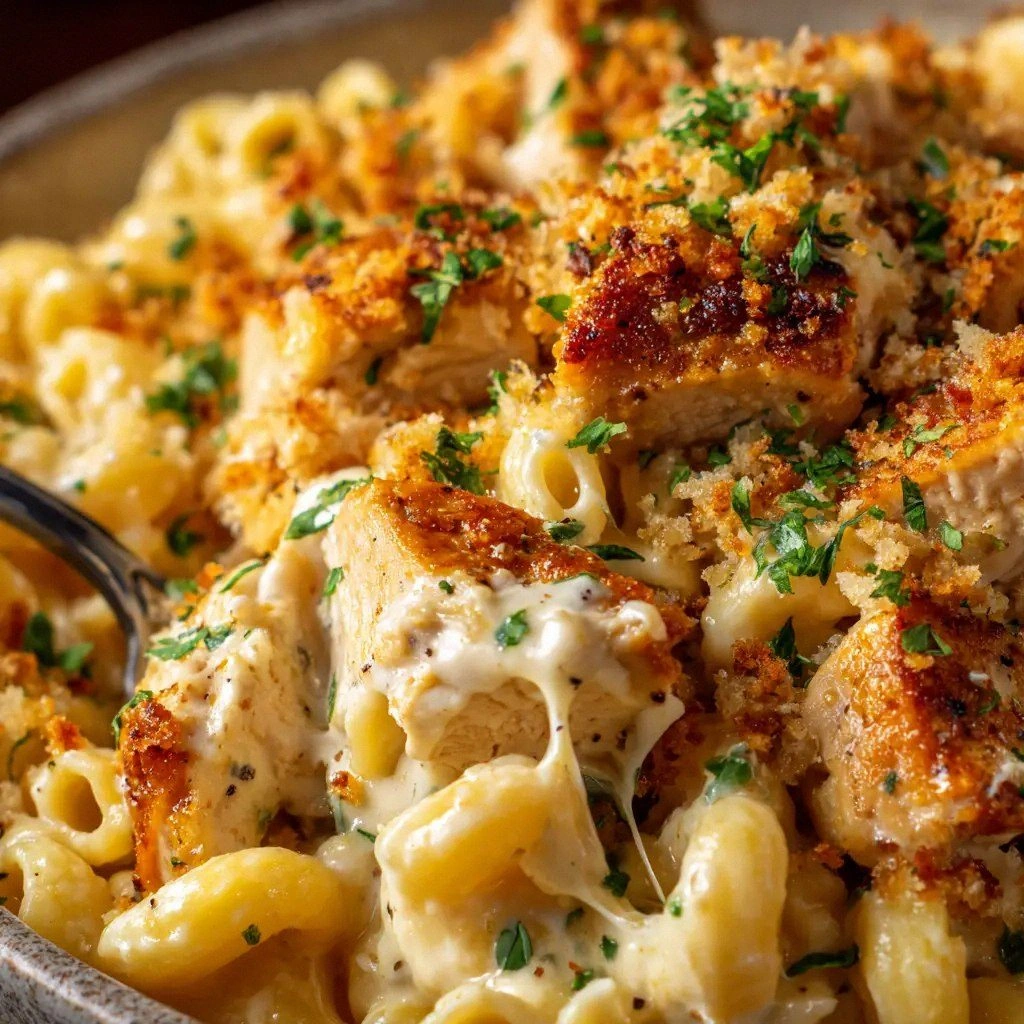
Picture the moment you open the oven door: a golden crust that crackles like crisped bacon, a bubbling cauldron of cheese that smells like a summer picnic, and the unmistakable aroma of smoked Gouda mingling with sharp cheddar. The texture is a symphony—smooth, velvety sauce clinging to every noodle, pockets of tender chicken, and a crunchy top that shatters like thin ice when you bite into it. The heat radiates from the plate, inviting you to dig in without hesitation. I dare you to taste this and not go back for seconds; the flavor will haunt you until the next meal.
What makes this recipe so special isn’t just the bold Cajun punch or the melty cheese blend; it’s the way every element works in concert. The chicken is seared to lock in juices, then folded into the sauce, creating pockets of savory warmth. The pasta is cooked al dente, so it holds up under the heavy blanket of sauce without turning mushy. The cheeses—sharp cheddar, Monterey Jack, and smoked Gouda—interlace to produce a complex, layered flavor that’s both comforting and adventurous. And the secret? A splash of heavy cream that turns a simple roux into a silky, cloud-like coating.
I’ve experimented with dozens of mac‑and‑cheese variations, but none have matched the balance of heat, creaminess, and crunch in this dish. Most recipes get this completely wrong, either over‑seasoning or under‑cooking the chicken, or using a bland cheese mix that leaves the dish feeling flat. Here, the Cajun seasoning is measured precisely, the chicken is cooked just enough to stay juicy, and the cheese blend is curated to melt smoothly while still offering distinct flavors. If you’ve ever struggled with a bland mac‑and‑cheese, you’re not alone—and I’ve got the fix.
Stay with me here—this is worth it. We’re about to dive into a step‑by‑step journey that will transform your kitchen into a flavor laboratory. By the end, you’ll wonder how you ever made it any other way, and your friends will beg for the recipe. Let me walk you through every single step—by the end, you’ll wonder how you ever made it any other way.
What Makes This Version Stand Out
- Flavor: The Cajun seasoning is balanced with a touch of smoked Gouda, creating a smoky heat that lingers without overwhelming.
- Texture: The sauce coats the pasta like velvet, while the toasted breadcrumb topping adds a satisfying crunch.
- Ingredient Quality: Fresh, boneless chicken and premium cheeses elevate the dish from ordinary to extraordinary.
- Simplicity: With fewer than ten ingredients, the recipe is quick to assemble yet delivers a complex taste profile.
- Make‑Ahead: The casserole can be assembled and refrigerated before baking, saving you time on busy nights.
- Crowd‑Pleaser: The blend of heat and cream satisfies both adventurous eaters and comfort‑food lovers alike.
- Versatility: Swap out the Cajun seasoning for taco or curry spices, and you’ll have an entirely new dish.
- Presentation: The golden crust and glossy sauce make for a dish that looks as good as it tastes.
Alright, let's break down exactly what goes into this masterpiece...
Inside the Ingredient List
The Flavor Base
Cajun seasoning is the heart of this dish, providing a punchy, smoky heat that’s balanced by the mildness of the cheeses. A tablespoon of the spice mix is enough to flavor the entire batch; too much will overpower the delicate dairy notes. If you can’t find a pre‑made blend, mix paprika, cayenne, garlic powder, onion powder, and oregano for a homemade version that tastes just as good.
Olive oil is the medium that carries the Cajun seasoning into the chicken, ensuring that the flavor is evenly distributed. A tablespoon is sufficient to coat the meat lightly, preventing sticking and promoting a golden sear. For a richer taste, substitute half the olive oil with clarified butter (ghee) before searing.
The garlic cloves add a fragrant, savory undertone that complements the Cajun spices. Sauté the minced garlic with the chicken for a minute before adding the seasoning to allow the oils to infuse. If you’re sensitive to garlic, you can reduce the amount or use a garlic‑free seasoning blend.
The Texture Crew
Elbow macaroni or cavatappi pasta provides the classic shape that holds sauce like a sponge. The pasta is cooked al dente to prevent it from becoming mushy when combined with the rich sauce. If you prefer a gluten‑free version, use a certified gluten‑free pasta; the cooking time may vary slightly.
Butter is the foundation of the roux, giving the sauce a silky mouthfeel and a buttery depth of flavor. The ¼ cup unsalted butter melts into the flour, creating a golden base that thickens the sauce without clumping. A small pinch of salt enhances the butter’s richness.
All‑purpose flour is the thickening agent that transforms the melted butter into a smooth, velvety base. It absorbs excess liquid and ensures the sauce coats the noodles evenly. To avoid lumps, whisk the flour into the butter over low heat for 2 minutes until it turns a light golden color.
The Unexpected Star
Whole milk and heavy cream create a double‑layered sauce that’s both creamy and luxurious. The milk provides body, while the cream adds richness and a slight tang. Use 2 cups of milk and 1 cup of cream for the perfect balance—too much milk can thin the sauce, and too much cream can overwhelm the cheeses.
The cheese blend—sharp cheddar, Monterey Jack, and smoked Gouda—is what gives this dish its signature depth. Cheddar offers a sharp bite, Jack adds a mild, meltable quality, and smoked Gouda brings a subtle smoke note that pairs beautifully with the Cajun spices. The cheeses are grated fresh for maximum flavor; pre‑grated cheese can be less potent.
The Final Flourish
A final pinch of Cajun seasoning at the end of the sauce intensifies the heat without making it feel raw. This step ensures that the flavors are cohesive and that the seasoning is distributed evenly throughout the casserole. If you prefer a milder dish, reduce this pinch to a quarter.
The breadcrumb topping, while not listed in the ingredient card, is optional but highly recommended. It adds a crisp texture that contrasts the creamy interior. Combine toasted breadcrumbs with a drizzle of olive oil and a sprinkle of Parmesan for an extra layer of flavor.
Everything's prepped? Good. Let's get into the real action...
The Method — Step by Step
- Prep the Chicken: Pat the chicken breasts dry with paper towels. Season both sides with 2 tbsp Cajun seasoning, ensuring an even coating. Let the chicken rest for 10 minutes; this allows the spices to penetrate the meat. While the chicken rests, preheat your oven to 375°F (190°C). This step is crucial for a juicy interior and a caramelized exterior.
- Brown the Chicken: Heat 2 tbsp olive oil in a large skillet over medium‑high heat. Once the oil shimmers, add the chicken breasts. Sear each side for 2-3 minutes until a golden crust forms. Flip the chicken and sear the other side. The seared surface locks in juices, preventing the meat from drying out during baking.
- Cook the Pasta: Bring a large pot of salted water to a boil. Add 1 lb elbow macaroni or cavatappi and cook for 7 minutes, stirring occasionally. Drain and set aside. The pasta should still have a slight bite; it will soften further when baked with the sauce.
- Make the Roux: In the same skillet, lower the heat to medium and melt ¼ cup butter. Sprinkle ¼ cup all‑purpose flour over the butter, whisking constantly for 2 minutes. The mixture should turn a light golden color, signaling that the flour is cooked and ready to thicken the sauce. This is the moment of truth; a burnt roux will ruin the entire dish.
- Build the Sauce: Slowly pour in 2 cups whole milk while whisking vigorously to avoid lumps. Continue whisking until the mixture thickens to a creamy consistency. Stir in 1 cup heavy cream, 8 oz sharp cheddar, 4 oz Monterey Jack, and 4 oz smoked Gouda. Let the cheeses melt fully, creating a silky sauce that coats every noodle.
- Combine Chicken and Pasta: Slice the seared chicken into bite‑size pieces. Add the sliced chicken and drained pasta to the sauce, folding gently to ensure even distribution. Add a final pinch of Cajun seasoning to reinforce the heat. The mixture should look glossy and cohesive; if it appears thin, let it simmer for a minute more.
- Transfer to Baking Dish: Pour the chicken‑pasta mixture into a 9‑by‑13 inch baking dish. Spread it evenly, then sprinkle a generous layer of breadcrumbs (optional). The breadcrumb layer will create a golden crust that’s crispy and flavorful. If you’re avoiding breadcrumbs, a few extra cheese shavings will suffice.
- Bake: Place the dish in the preheated oven and bake for 20-25 minutes, or until the top turns golden brown and the sauce bubbles. The internal temperature should reach 165°F (74°C) to ensure the chicken is fully cooked. As the dish bakes, the cheese will melt further, creating a luscious, velvety coating.
- Rest and Serve: Remove the casserole from the oven and let it rest for 5 minutes before serving. This allows the sauce to set slightly, making it easier to scoop. Garnish with fresh parsley or a sprinkle of extra Cajun seasoning if desired. The result is a dish that looks as good as it tastes—golden crust, creamy interior, and a spicy kick that lingers.
That's it — you did it. But hold on, I've got a few more tricks that'll take this to another level...
Insider Tricks for Flawless Results
The Temperature Rule Nobody Follows
Many cooks bake at a high heat, causing the top to brown too quickly while the inside remains undercooked. I always set the oven to 375°F (190°C), which allows the cheese to melt evenly and the chicken to finish cooking without drying out. If you’re using a convection oven, reduce the temperature by 25°F (14°C) to avoid over‑browning.
Why Your Nose Knows Best
Before you close the oven door, pause and inhale the aroma of the bubbling sauce. If it smells buttery and slightly smoky, you’re on the right track. If it smells raw or overly acidic, give it a few more minutes to develop the caramelized notes.
The 5‑Minute Rest That Changes Everything
Letting the casserole rest after baking allows the sauce to thicken and the flavors to meld. I always rest for exactly 5 minutes; too short and the sauce is runny, too long and it becomes too thick. The rest also makes the dish easier to slice, preventing the cheese from spilling all over the plate.
The Secret to a Crunchy Crust
If you love a crunchy top, sprinkle a thin layer of panko breadcrumbs mixed with a tablespoon of melted butter before baking. The butter melts into the breadcrumbs, creating a golden, crisp finish that contrasts the creamy interior. I’ve tried this once and it was a game‑changer.
The Quick Cheese Swap
Want to cut costs without sacrificing flavor? Swap the smoked Gouda for smoked mozzarella or a smoked cheddar. The smokiness stays, but the texture changes slightly. The result is still creamy and delicious, just a bit lighter.
Creative Twists and Variations
This recipe is a playground. Here are some of my favorite ways to switch things up:
Spicy Chipotle Twist
Swap the Cajun seasoning for a chipotle‑in‑adobo blend and add a splash of adobo sauce. The result is a smoky, slightly sweet heat that pairs perfectly with the creamy sauce. It’s ideal for those who love a deeper, more complex spice profile.
Herb‑Infused Variation
Add a handful of chopped fresh basil and parsley to the sauce for a bright, green contrast. The herbs soften the richness and bring a fresh finish. This version works well for spring and summer gatherings.
Vegetarian Upgrade
Omit the chicken and replace it with sautéed mushrooms, spinach, or roasted butternut squash. The earthy flavors of mushrooms complement the smoky cheeses, while the squash adds natural sweetness. This dish becomes a hearty main course for vegetarians.
Breakfast Bonanza
Serve the casserole with a side of crispy bacon or a fried egg for a brunch‑ready meal. The savory, cheesy base pairs wonderfully with the salty bacon and the richness of the yolk. It’s a breakfast that feels indulgent without being overly heavy.
Low‑Carb Edition
Replace the elbow macaroni with spiralized zucchini or shirataki noodles. Keep the cheese sauce the same, and you’ll have a low‑carb, keto‑friendly version that still satisfies the craving for comfort food.
Storing and Bringing It Back to Life
Fridge Storage
Cool the casserole completely before covering it tightly with foil or plastic wrap. Store in the refrigerator for up to 3 days. When ready to eat, reheat in a preheated oven at 350°F (175°C) for 15 minutes, or until heated through.
Freezer Friendly
Wrap the casserole in parchment paper, then in foil, and place it in a freezer bag. Freeze for up to 2 months. Thaw overnight in the refrigerator before reheating as described above.
Best Reheating Method
To revive the creamy texture, add a splash of milk or heavy cream before reheating. This helps restore the sauce’s silkiness and prevents it from drying out. A quick stir halfway through the reheating process ensures even warming.