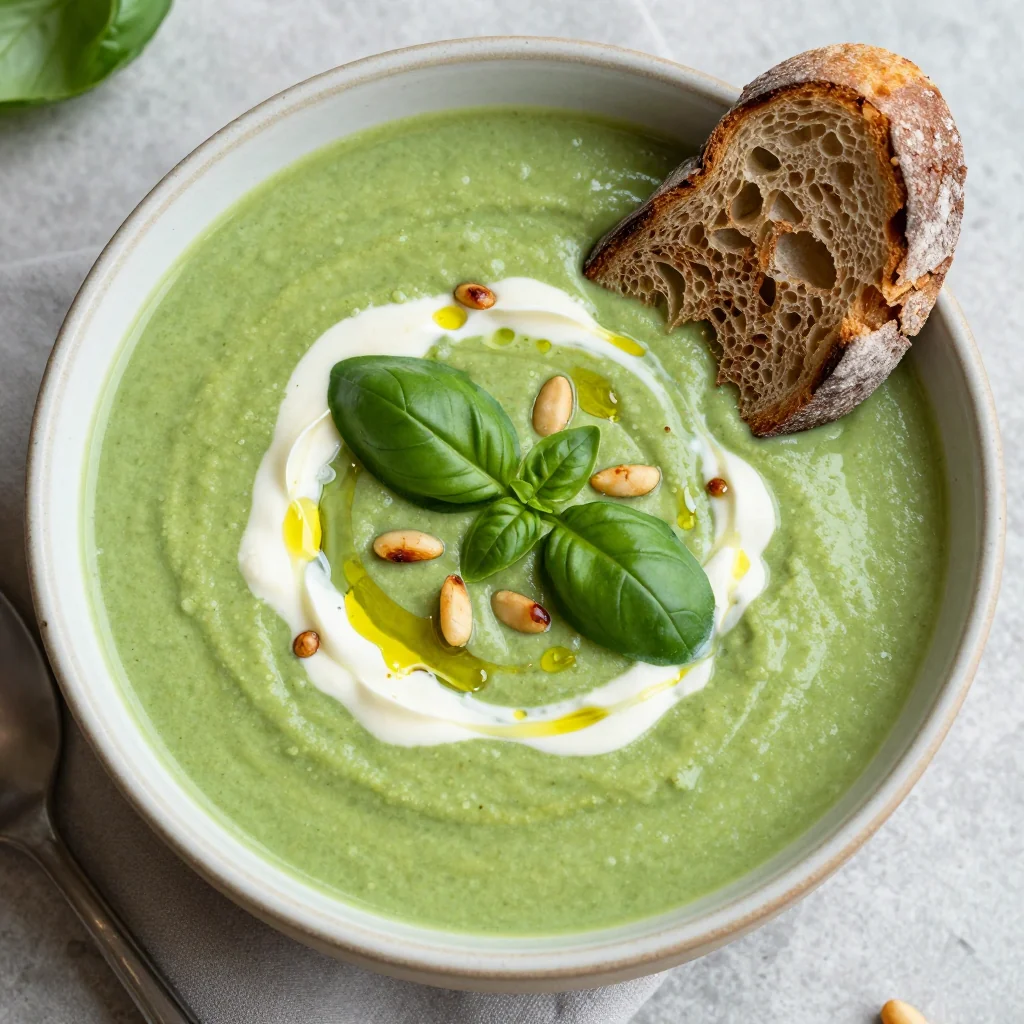
Picture this: a frantic kitchen, the clock ticking, a bowl of plain soy sauce staring back at me, and a sudden craving that feels more like a dare than a desire. I had just finished a batch of stir‑fried noodles, and the sauce was bland, the kind that makes you reach for the bottle and then sigh in disappointment. I was about to throw the sauce away when a friend whispered, “I’ve got a secret that will turn this into something unforgettable.” That moment became the genesis of this recipe.
The first thing that hit me was aroma—sweet honey mingling with the sharpness of rice vinegar, a whisper of toasted sesame oil, and the faintest hint of ginger. I could taste the promise of a silky glaze, the kind that drapes over noodles like velvet, yet I was still skeptical. The texture should be glossy, not syrupy; the flavor should sing, not merely echo. I knew I had to strike a balance, because too much sweetness would drown the umami, while too much acidity would leave a sour aftertaste. This was a culinary puzzle I couldn’t resist.
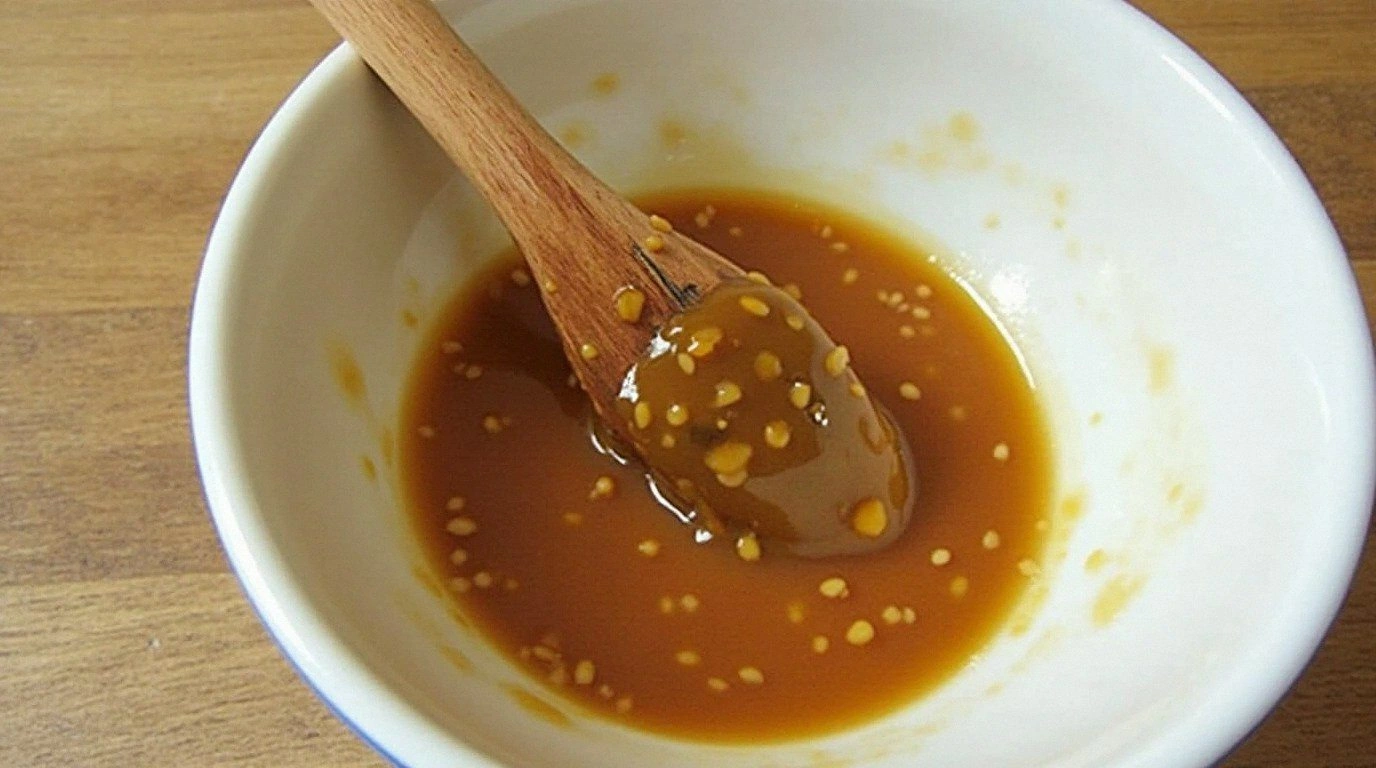
I experimented in the kitchen, tossing in sesame paste, ground toasted sesame seeds, and a splash of chili flakes, all while watching the sauce simmer. The result was a sauce that thickened, caramelized just enough to cling to everything, and left a subtle crunch from the toasted seeds. I tasted a spoonful, and it was like a flavor fireworks show—sweet, salty, smoky, and just a touch of heat. The moment I realized it was a game‑changer, I knew I had to share it.
What sets this version apart is that it’s not just a sauce; it’s an experience. The combination of toasted sesame seeds and sesame paste gives it depth that you don’t get from plain soy sauce. The honey and rice vinegar create a balanced sweetness that doesn’t overpower the savory base. The chili flakes add a gentle kick that wakes up the palate. And the final splash of scallions provides freshness that cuts through the richness. It’s a sauce that can elevate anything from rice bowls to grilled chicken, and even as a dipping sauce for dumplings.
I’ll be honest—after I made it, I ate half the batch before anyone else got a chance to try it. That’s how potent this sauce is. If you’ve ever struggled to find the right balance between sweet and savory, you’re not alone, and I’ve got the fix. Picture yourself pulling this out of the pan, the whole kitchen smelling incredible, and watching the sauce coat your favorite dish like a silky, fragrant blanket. Let me walk you through every single step—by the end, you’ll wonder how you ever made it any other way.
What Makes This Version Stand Out
- Flavor Depth: The toasted sesame paste and ground sesame seeds add a nutty richness that transforms a simple sauce into a complex flavor profile.
- Balance: Sweetness from honey and acidity from rice vinegar create a harmonious contrast that lifts the umami of soy sauce.
- Texture: The sauce glazes without becoming syrupy, thanks to the precise ratio of liquid to thickening agents.
- Simplicity: All ingredients are pantry staples—no exotic or hard‑to‑find items are required.
- Versatility: Works as a stir‑fry glaze, a dipping sauce, or a topping for salads and grilled meats.
- Make‑ahead Friendly: Flavors deepen when stored; the sauce can be prepared in advance and refrigerated for up to a week.
- Quick Prep: Less than 15 minutes from start to finish—ideal for weeknight dinners.
- Crowd‑pleaser: Even the pickiest eaters fall in love with the sweet‑savory bite.
Alright, let's break down exactly what goes into this masterpiece…
Inside the Ingredient List
The Flavor Base
Soy sauce is the backbone of this sauce, providing that salty umami that anchors every other note. It’s best to use a low‑sodium version so you can control the saltiness. If you’re vegan, opt for tamari, which offers a similar depth without the dairy.
Rice vinegar adds a bright acidity that cuts through the sweetness of honey. It also helps to prevent the sauce from becoming too thick. If you can’t find rice vinegar, a splash of white wine vinegar works as a close substitute, though the flavor will be slightly different.
Honey is the sweet star of this sauce, offering natural sweetness that’s more complex than refined sugar. It also helps to create a glossy finish. For a vegan version, replace honey with maple syrup or agave nectar; the flavor will shift subtly but remain delicious.
The Texture Crew
Sesame paste (or tahini) thickens the sauce while adding a creamy, nutty undertone. It’s essential for achieving that silky coat that clings to noodles or grilled chicken. If you can’t find sesame paste, a small amount of peanut butter can work, though the taste will be slightly different.
Toasted sesame seeds add a delightful crunch and a burst of flavor. Toast them lightly in a dry pan until golden before adding to the sauce; this releases their oils and enhances the nutty profile. Ground toasted sesame seeds are optional but give the sauce a thicker body.
The Unexpected Star
Fresh ginger and garlic are the aromatics that lift the sauce. They provide depth and a subtle heat that balances the sweetness. Mince them finely to ensure they release their flavors evenly.
A pinch of chili flakes injects a gentle kick that awakens the palate. If you prefer a milder sauce, reduce the amount or omit it entirely. The heat is optional but highly recommended for a well‑rounded flavor.
The Final Flourish
Scallions add a bright, fresh finish that cuts through the richness of the sauce. Chop them finely and add them at the very end to preserve their bright green color and crisp flavor. A splash of water helps to thin the sauce if it becomes too thick.
Everything's prepped? Good. Let's get into the real action…
The Method — Step by Step
- Begin by heating a small saucepan over medium heat. Add the sesame paste and stir until it starts to bubble gently, about 30 seconds. This step releases the paste’s oils and creates a base for the sauce.
- Pour in the soy sauce, rice vinegar, and honey. Stir continuously until the mixture is smooth and the honey fully dissolves. Watch for the sauce to thicken slightly; this signals that the flavors are melding.
- Add the toasted sesame seeds, ground sesame seeds, and chili flakes. This is the moment of truth—your sauce should smell toasty and fragrant. Let it simmer for 1‑2 minutes to allow the spices to bloom.
- Introduce the minced garlic and grated ginger. Stir well and let the mixture cook for another minute, ensuring the aromatics release their full flavor without burning.
- Reduce the heat to low and let the sauce simmer for 3‑4 minutes, allowing the flavors to marry. The sauce should develop a glossy sheen and a slightly thickened texture.
- Stir in the chopped scallions and remove the sauce from the heat. The scallions add a fresh pop of color and flavor that brightens the entire dish.
- Taste the sauce and adjust seasoning—if it’s too salty, add a touch more honey; if it’s too sweet, a splash of vinegar can help balance it.
- Let the sauce cool for a minute before pouring it over your favorite dish. The sauce will cling beautifully to noodles, rice, or grilled proteins.
That’s it— you did it. But hold on, I've got a few more tricks that'll take this to another level. These insider tips will help you avoid common pitfalls and elevate the sauce even further.
Insider Tricks for Flawless Results
The Temperature Rule Nobody Follows
Many cooks over‑cook the sauce, leading to a burnt taste. Keep the heat low once the aromatics are added, and let the sauce gently simmer. This preserves the delicate balance of sweetness and acidity, ensuring the sauce stays silky.
Why Your Nose Knows Best
Smell is your best ally. If the sauce starts to smell overly sweet, it’s a sign you’re close to over‑cooking the honey. Conversely, a sharp vinegar scent indicates you need to let it simmer longer to integrate the flavors.
The 5‑Minute Rest That Changes Everything
After you remove the sauce from the heat, let it rest for five minutes. This allows the flavors to settle and the sauce to thicken slightly, giving it a more cohesive mouthfeel.
Use a Fine‑Mesh Sieve for a Smooth Finish
If you prefer a velvety sauce with no seed bits, strain it through a fine‑mesh sieve before serving. The result is a smooth, glossy glaze that coats everything evenly.
Make It Ahead for Extra Depth
The sauce’s flavor profile deepens as it sits. Store it in an airtight container in the fridge for up to a week, and let it rest overnight before reheating. The flavors will meld, creating an even richer sauce.
Creative Twists and Variations
This recipe is a playground. Here are some of my favorite ways to switch things up:
Spicy Peanut Fusion
Swap sesame paste for peanut butter and add a dash of sriracha. The result is a creamy, spicy sauce that pairs beautifully with pad thai or grilled tofu.
Herb‑Infused Citrus
Add a splash of orange juice and a handful of fresh cilantro. The citrus brightens the sauce, making it perfect for shrimp or fish dishes.
Smoky Chipotle Twist
Incorporate chipotle powder or adobo sauce for a smoky depth. This variation works wonders with roasted pork or beef.
Low‑Calorie Version
Replace honey with a sugar substitute like stevia or monk fruit sweetener. Keep the rest of the ingredients unchanged for a guilt‑free sauce that still delivers on flavor.
Vegan BBQ Sauce
Use apple cider vinegar instead of rice vinegar, add a tablespoon of tomato paste, and replace sesame paste with tahini. This creates a tangy, smoky sauce ideal for grilled veggies.
Storing and Bringing It Back to Life
Fridge Storage
Transfer the sauce to an airtight container and refrigerate. It will keep for up to seven days. The flavors will mellow and deepen, making it even more delicious.
Freezer Friendly
For longer storage, freeze the sauce in a freezer‑safe container or ice‑cube trays. It can stay in the freezer for up to three months. Thaw in the fridge overnight before reheating.
Best Reheating Method
Reheat gently in a saucepan over low heat, adding a tiny splash of water to restore moisture. Stir until the sauce is hot and glossy. A quick microwave reheat works too, but be careful not to over‑heat.