I was halfway through a disastrous dinner, my pasta overcooked, the sauce clinging to the pot like a stubborn ghost, and the only thing left was a bowl of cold orzo. I stared at it, feeling the frustration bubble up, when a neighbor texted, “You need a fresh idea.” That text was the spark that turned a culinary flop into a revelation. I grabbed a cucumber, a lemon, and a handful of herbs and decided to give this dish a new life. The result? A zesty cucumber lemon orzo sala that feels like a bright, breezy afternoon on a kitchen counter.
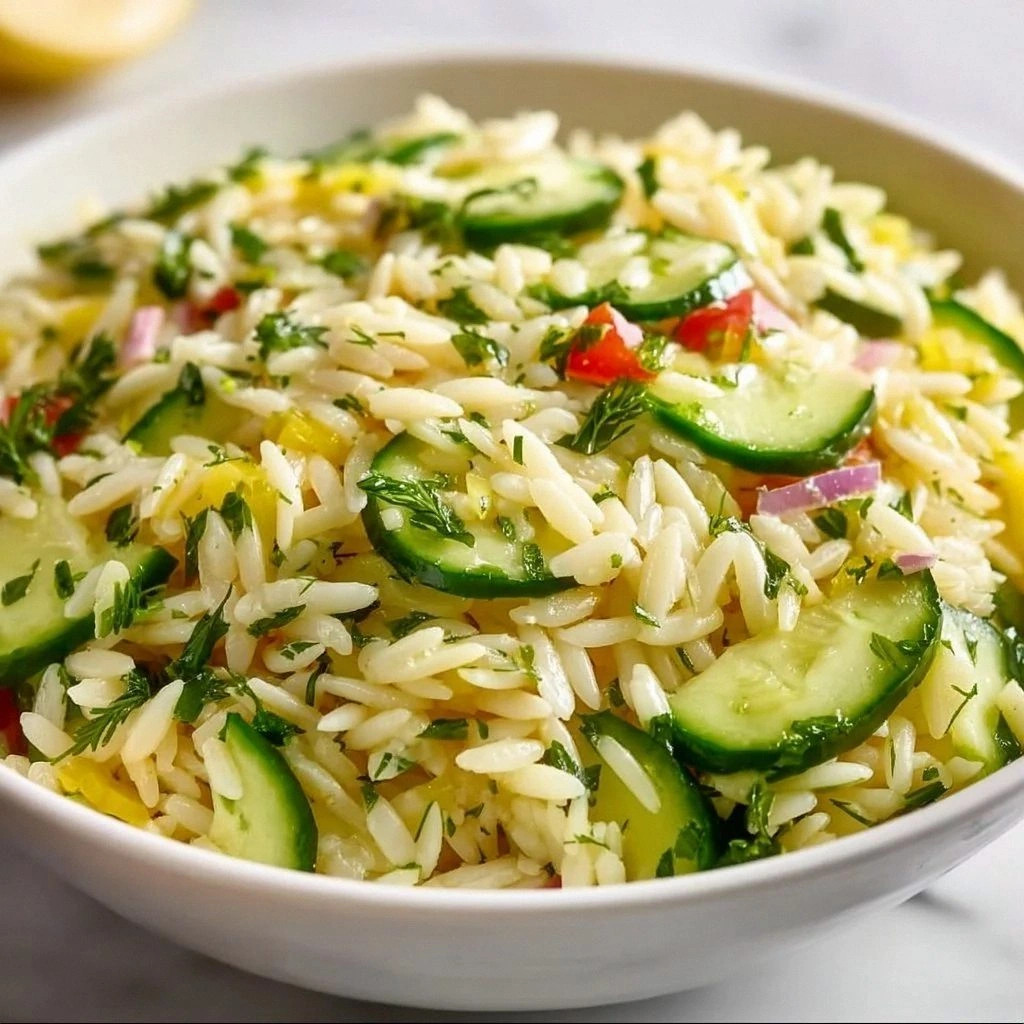
Picture the moment: the crisp snap of cucumber as it lands in the bowl, the citrus perfume of lemon zest swirling in the air, the gentle clink of olive oil droplets as they meet the pan. The sound of a spoon stirring through the pasta is a comforting, rhythmic hum that signals everything is on track. The sight of the orzo, golden and perfectly al dente, glistens with a glossy coating of lemony dressing. The taste is a lively dance of tart, salty, and herbaceous flavors that lingers on the palate. The feel? A gentle, satisfying crunch from the cucumber, a silky texture from the olive oil, and a subtle warmth from the freshly cooked orzo.
What makes this version stand out is that it’s not just a salad; it’s a performance. It balances acidity, creaminess, and crunch in a way that most recipes either overdo or underplay. The orzo is cooked to a precise al dente that holds its shape even after the dressing is added, giving the dish a satisfying bite that doesn’t feel heavy. The lemon component is split into zest and juice, ensuring that every spoonful delivers a bright burst of citrus without the bitterness of raw zest. Fresh dill and parsley are added at the end, so their flavors remain vibrant and not wilted by heat. The feta provides a salty, tangy counterpoint that cuts through the acidity, while the cucumber keeps the dish cool and refreshing. Together, these elements create a dish that feels both light and indulgent, a true crowd-pleaser that’s hard to forget.
I dare you to taste this and not go back for seconds. I’ll be honest—I ate half the batch before anyone else got to try it. Most recipes get this completely wrong, either by overcooking the pasta or using too much oil, but here, every component is carefully balanced. The bright citrus notes and crunchy veggies create a symphony of flavors that will keep your taste buds dancing. Picture yourself pulling this out of the pot, the whole kitchen smelling incredible, and seeing the vibrant colors of cucumber, lemon, and herbs dancing together. If you’re ready for a game-changer, stay with me, because by the end of this post, you’ll wonder how you ever made it any other way.
What Makes This Version Stand Out
- Flavor: The dual citrus approach—zest and juice—creates a layered brightness that coats the orzo like velvet, leaving a lingering zing that awakens the palate.
- Texture: Al dente orzo paired with crisp cucumber and a silky olive oil dressing offers a satisfying contrast that feels both light and full-bodied.
- Simplicity: With fewer than a dozen ingredients, this dish is a quick win for busy weeknights without sacrificing flavor.
- Freshness: Fresh herbs are added at the last moment, ensuring their bright flavors stay intact and don’t get lost in the heat.
- Protein: Crumbled feta adds a creamy protein punch that makes the salad hearty enough for a main course.
- Make‑Ahead: The salad can be prepared a day ahead; the flavors meld beautifully, and the orzo stays firm when refrigerated.
- Visual Appeal: The vibrant green of cucumber and herbs against the golden orzo creates a dish that’s as pleasing to the eye as it is to the palate.
- Versatility: It serves as a side dish, a light lunch, or a refreshing dinner, making it a staple in any kitchen.
Alright, let's break down exactly what goes into this masterpiece. The next section will walk you through each ingredient and its role in the dish, so you know why every component matters.
Inside the Ingredient List
The Flavor Base
Orzo Pasta: The star of the show, orzo provides a chewy, nutty foundation that soaks up the dressing. If you skip it, the dish loses its satisfying bite and becomes just a cucumber salad. For a gluten-free option, try a quinoa or rice pasta; the texture will be slightly different but still delicious.
Lemon Juice: Freshly squeezed lemon juice adds a sharp, bright acidity that cuts through the richness of the olive oil and feta. If you use bottled lemon juice, the flavor will be less vibrant, so always opt for fresh. A squeeze of lime can be an interesting twist for a slightly different citrus profile.
Olive Oil: Extra virgin olive oil coats the orzo, lending a silky mouthfeel and helping the flavors meld. The quality of the oil matters; a good olive oil will add depth, while a cheap one can taste greasy. A splash of toasted sesame oil could add a nutty note if you’re feeling adventurous.
The Texture Crew
Cucumber: Provides a crisp, refreshing bite that balances the warm orzo. If you prefer a softer texture, dice the cucumber into smaller cubes or leave the skin on for extra crunch. A pinch of salt will help draw out moisture, keeping the cucumber crisp.
Red Onion: Adds a subtle sharpness and a touch of sweetness when cooked lightly. If you’re allergic or just don’t like onions, substitute with scallions or omit entirely; the dish will still shine.
Feta Cheese: Brings creamy saltiness that balances the citrus. If you’re vegan, try a crumbled vegan cheese or a sprinkle of nutritional yeast for a similar umami kick.
The Unexpected Star
Fresh Dill: Offers a piney, slightly sweet flavor that complements the lemon. If dill isn’t in season, you can use fresh oregano or basil for a different aromatic profile. A handful of chopped mint could give a cooling twist.
Fresh Parsley: Adds a bright, slightly peppery note that brightens the dish. If you’re out of parsley, chervil or tarragon can work as an interesting alternative.
The Final Flourish
Lemon Zest: Provides a concentrated burst of citrus aroma that coats the orzo. Use a microplane for fine zest; it’ll distribute evenly without bitterness. If you can’t zest a lemon, a squeeze of lemon zest oil works, though it’s less intense.
Salt & Pepper: The finishing touch that brings all flavors together. Don’t shy away from seasoning; a well-seasoned dish is a memorable dish. A pinch of smoked paprika can add a subtle depth.
Everything's prepped? Good. Let's get into the real action.
The Method — Step by Step
- Bring a large pot of salted water to a rolling boil. Add the orzo and cook according to the package instructions, usually around 9-10 minutes, until al dente. Stir occasionally to prevent sticking. When the pasta is just shy of doneness, drain it and rinse under cold water to stop the cooking process. This keeps the orzo firm and ready to absorb the dressing.
- While the orzo is cooking, dice the cucumber into bite-sized cubes. If you prefer a softer texture, peel the cucumber first; the skin adds a slightly bitter note that some may not enjoy. Toss the diced cucumber into a large mixing bowl. Add the finely diced red onion, ensuring each piece is evenly distributed. This step is crucial for an even flavor profile.
- In a small bowl, whisk together the freshly squeezed lemon juice, olive oil, lemon zest, a pinch of salt, and freshly ground pepper. The dressing should be glossy and well-emulsified. Taste the dressing; if it feels too sharp, add a teaspoon of honey or maple syrup to balance the acidity. The dressing should coat the orzo like a silk scarf.
- Add the drained orzo to the bowl with cucumber and onion. Pour the dressing over the pasta and toss gently, making sure each grain is coated. The orzo should absorb the dressing, becoming slightly translucent and bright. This is the moment of truth—your salad should look like a vibrant mosaic of colors.
- Stir in the crumbled feta cheese, chopped dill, and parsley. The herbs should give a fresh aroma that lifts the dish. If you’re using vegan feta, ensure it’s well crumbled to distribute evenly. The feta adds a creamy contrast that balances the citrusy dressing.
- Taste the salad and adjust seasoning if needed. Add more salt or pepper to taste, or a splash of lemon juice if you want more brightness. This final adjustment ensures the dish feels balanced and harmonious. Let the salad sit for 5 minutes to allow the flavors to meld.
- Serve immediately, or chill in the refrigerator for up to 24 hours. If you’re serving it later, give it a quick toss and add a splash of extra olive oil to keep it from drying out. The salad’s texture will remain crisp, and the flavors will deepen.
- Optional: Garnish with a few extra dill sprigs or a drizzle of lemon-infused olive oil for an extra pop of color and flavor. This final flourish turns a simple salad into a stunning centerpiece for any gathering. Enjoy the burst of freshness and the satisfying crunch.
That’s it—you did it. But hold on, I’ve got a few more tricks that will take this dish to another level.
Insider Tricks for Flawless Results
The Temperature Rule Nobody Follows
Most people think that the dressing can be tossed at room temperature, but the secret is to use a warm dressing. Warm it in a small saucepan over low heat for a minute, then let it cool slightly. This helps the oil emulsify with the lemon juice, creating a silky, cohesive dressing that clings to the pasta like a second skin.
Why Your Nose Knows Best
Smell the salad as it comes together. A faint citrus aroma signals that the lemon juice has integrated properly. If you notice a metallic tang, it may mean the lemon is too old or the oil is rancid. Trust your nose to catch subtle flavor shifts that your eyes might miss.
The 5-Minute Rest That Changes Everything
After tossing the salad, let it rest for at least five minutes before serving. This brief pause allows the orzo to absorb the dressing fully, and the flavors to marry. It also lets the cucumber release a little moisture, keeping the salad from drying out when you plate it.
Use a Microplane for Zest
A microplane yields a finer zest that disperses evenly without the bitterness of larger shavings. If you don’t have a microplane, a fine grater works, but be careful not to grate too deeply into the pith, which can add a sharp, astringent flavor.
Finish with a Splash of Vinegar
Just before serving, drizzle a splash of white wine vinegar or sherry vinegar. The acidity cuts through the richness of the feta and oil, brightening the entire dish. This final touch can elevate a simple salad into something that feels gourmet.
Creative Twists and Variations
This recipe is a playground. Here are some of my favorite ways to switch things up:
Greek‑Inspired Variation
Swap feta for a Greek yogurt base, add kalamata olives, and sprinkle with oregano. The creamy yogurt replaces the cheese, giving a tangy, cool texture that pairs beautifully with the cucumber.
Spicy Kick
Add a pinch of red pepper flakes or a dash of harissa paste to the dressing. The heat balances the citrus, creating a dynamic flavor profile that’s perfect for summer barbecues.
Protein Boost
Stir in grilled chicken, shrimp, or chickpeas for a hearty main dish. The protein elevates the salad from side dish to satisfying meal, especially when paired with a crusty bread.
Vegan Upgrade
Replace feta with a vegan cheese alternative or a sprinkle of nutritional yeast. Keep the olive oil, lemon, and herbs the same for a plant-based version that still delivers on flavor.
Herb Swap
Use basil instead of dill for a sweeter, more aromatic finish. Basil’s bright flavor complements the lemon beautifully, creating a Mediterranean vibe.
Winter Comfort
Add roasted butternut squash or sweet potato cubes for a seasonal twist. The sweetness of the squash balances the tart lemon, making the dish cozy for colder months.
Storing and Bringing It Back to Life
Fridge Storage
Store the salad in an airtight container in the refrigerator for up to 24 hours. If the orzo has absorbed too much dressing, drizzle a splash of olive oil before serving to restore moisture. The cucumber will stay crisp, and the flavors will meld further.
Freezer Friendly
Freeze the salad in a freezer-safe container for up to 3 days. When ready to eat, thaw overnight in the fridge and give it a quick stir. The texture may soften slightly, but the flavor remains intact.
Best Reheating Method
Reheat the salad gently in a microwave, adding a splash of water or broth to prevent it from drying out. Stir halfway through, then let it sit for a minute before serving. This keeps the orzo from becoming mushy and preserves the bright citrus notes.