I still remember the night I tried to impress my roommate with a quick dinner after a long day of coding. I had a stack of frozen veggies, a block of flank steak that had been sitting in the fridge for a week, and a vague memory of a Mexican recipe I’d seen on a late‑night YouTube video. The result? A sad, soggy bowl that tasted like it had been left in a bag for a week. That disaster became my obsession: I was determined to turn that bland mess into a bowl that could win over even the most skeptical palate.
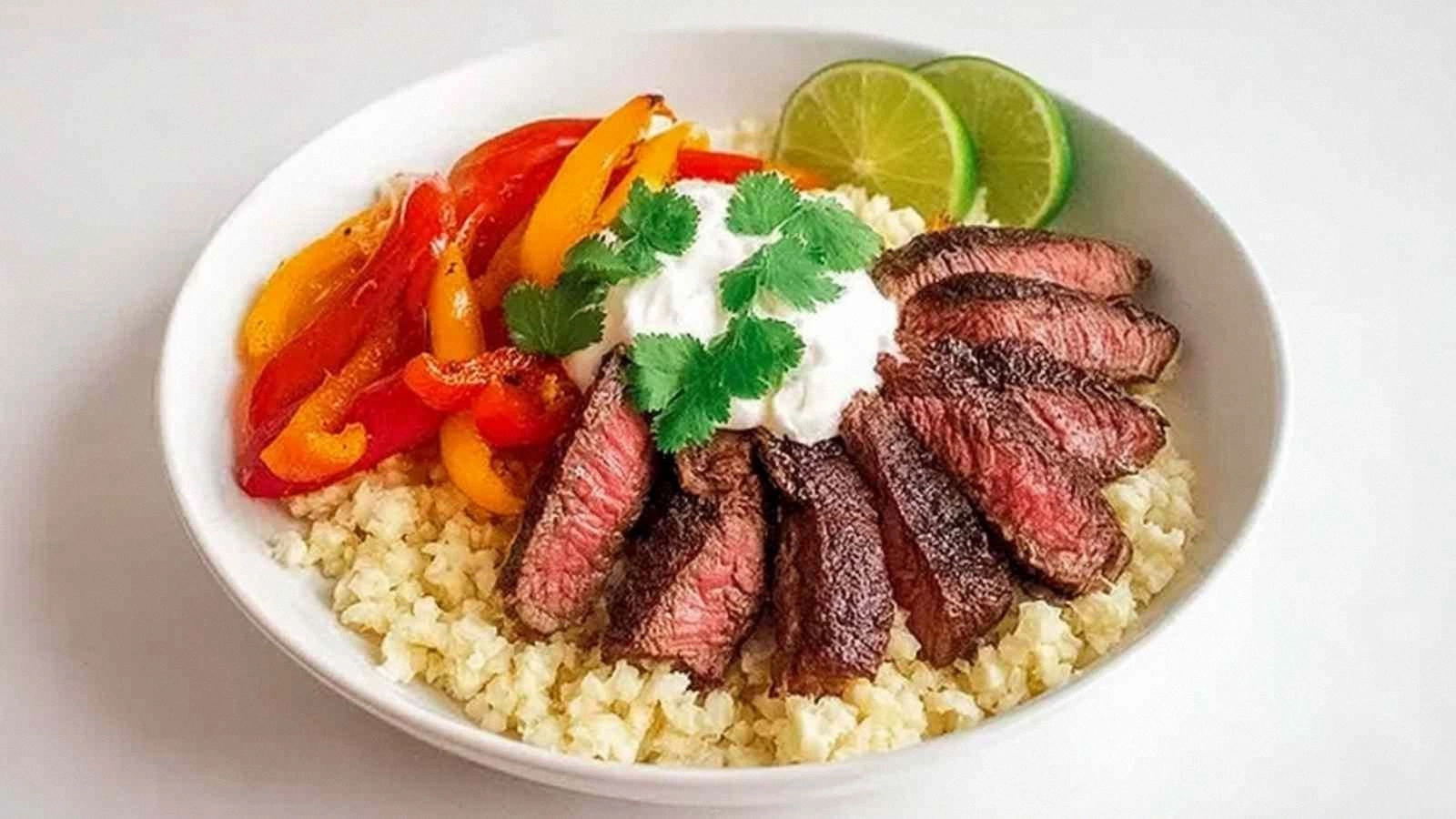
Fast forward a few months and I’ve finally cracked the code. Picture this: a sizzling strip of flank steak, its edges crisped to a caramelized perfection that crackles like a tiny fireworks show, nestled atop a bed of roasted cauliflower that’s charred on the outside but tender inside. The bell peppers and onions are blistered to a smoky sweetness, while a splash of lime juice cuts through the richness and adds a zesty brightness that lifts the whole dish. The finish? A dollop of Greek yogurt that coats the bowl like velvet, a drizzle of hot sauce for that final pop, and a handful of fresh cilantro that gives a fresh, almost herbal note.
What makes this version stand out? It’s the combination of techniques that elevate simple ingredients: searing the steak to lock in juices, roasting the veggies until they caramelize, and finishing the bowl with a bright, acidic touch that balances the savory depth. I dare you to taste this and not go back for seconds. That’s the promise I make. The flavor profile is a harmony of smoky, sweet, spicy, and tangy notes that dance together. I’ve been honest—my first batch was so good I ate half before anyone else even had a chance. If you’re skeptical, I’m here to prove that this is hands‑down the best version you’ll ever make at home.
Now, picture yourself pulling this out of the oven, the whole kitchen smelling incredible, and seeing the steam rise from the bowl like a savory cloud. The anticipation is real, and the payoff is even more delicious. Let me walk you through every single step—by the end, you’ll wonder how you ever made it any other way.
What Makes This Version Stand Out
- Flavor Depth: The combination of chili powder, cumin, garlic powder, onion powder, and paprika creates a complex seasoning that is both earthy and spicy, giving the steak a robust flavor that’s not overpowering.
- Crisp Texture: Seared steak edges and roasted cauliflower provide a satisfying contrast of textures—juicy meat with a caramelized crust and crunchy, tender veggies.
- Ease of Prep: All the ingredients can be prepped in under 15 minutes, and the cooking process requires minimal hands‑on time, making it perfect for busy nights.
- Versatile Base: The cauliflower rice works as a low‑carb alternative to traditional rice or quinoa, but you can swap it for any grain or even just serve the steak and veggies on a bed of lettuce.
- Freshness Boost: A squeeze of lime juice and a topping of cilantro add a bright, fresh contrast that cuts through the richness of the steak and yogurt.
- Make‑Ahead Friendly: The bowl can be assembled ahead of time and reheated without losing flavor or texture, making it a great option for meal prep or quick weeknight dinners.
Alright, let’s break down exactly what goes into this masterpiece…
Inside the Ingredient List
The Flavor Base
The steak is the heart of this bowl, and its flavor comes from a simple yet powerful spice blend. The 1 tbsp of chili powder and 1 tsp of cumin give it a smoky, earthy tone, while 1 tsp of garlic powder and 0.5 tsp of onion powder add depth without overpowering. The 0.5 tsp of paprika brings a mild sweetness and a hint of color. Salt and pepper are essential for seasoning the steak to perfection. If you’re looking for a cleaner taste, you can substitute the chili powder with smoked paprika, but the original blend delivers the best balance.
The Texture Crew
The cauliflower is the star of the texture crew. When roasted, it develops a nutty, slightly sweet flavor that pairs wonderfully with the steak’s savory notes. The large red and green bell peppers, along with the onion, provide a sweet, caramelized crunch that contrasts nicely with the tender steak. Cutting the vegetables into bite‑sized pieces ensures even cooking and easy mixing in the bowl. If you’re a fan of extra crunch, toss the vegetables with a pinch of sea salt before roasting to draw out moisture and promote crisp edges.
The Unexpected Star
Greek yogurt or sour cream is the unexpected star that ties everything together. Its creamy texture balances the heat from the hot sauce and the acidity from the lime. It also adds a subtle tang that brightens the dish. If you prefer a dairy‑free option, you can replace it with a splash of coconut milk or a dollop of cashew cream. The key is to keep the yogurt cold so it doesn’t melt into the bowl.
The Final Flourish
A few final touches bring the dish to life. A squeeze of lime juice adds brightness, while fresh cilantro adds herbal freshness. A drizzle of hot sauce gives that last kick of heat. Lime wedges on the side let guests adjust acidity to taste. These finishing touches are what make the bowl feel complete and satisfying.
Everything's prepped? Good. Let's get into the real action…
The Method — Step by Step
- Marinate the Steak: In a shallow dish, combine the flank steak with 2 tbsp olive oil, 1 tbsp chili powder, 1 tsp cumin, 1 tsp garlic powder, 0.5 tsp onion powder, 0.5 tsp paprika, salt, and pepper. Coat the steak evenly and let it rest for 10 minutes. This step allows the spices to penetrate the meat, creating a flavorful crust. If you’re short on time, you can skip the 10‑minute rest; the steak will still taste great.
- Preheat the Oven: Set your oven to 425°F (220°C). The high temperature is crucial for roasting the cauliflower and vegetables quickly, locking in moisture and creating a caramelized finish. While the oven heats, toss the cauliflower florets, bell peppers, and onion with 1 tbsp olive oil, salt, and pepper in a large bowl.
- Roast the Vegetables: Spread the seasoned cauliflower, peppers, and onion on a baking sheet in a single layer. Roast for 20 minutes, stirring halfway through. The veggies should be tender yet slightly charred, with edges that look like they’re about to crack. This roasting step brings out a deep, smoky flavor that complements the steak.
- Sear the Steak: While the veggies roast, heat a large skillet over medium‑high heat. Once the skillet is shimmering, add the steak. Sear each side for 3–4 minutes, or until a dark crust forms. The steak should reach an internal temperature of 135°F (57°C) for medium‑rare. If you prefer medium, cook an additional minute per side.
- Slice the Steak: Remove the steak from the skillet and let it rest for 5 minutes. Slice it thinly against the grain to maximize tenderness. The resting period allows juices to redistribute, keeping the steak moist.
- Prepare the Lime‑Garlic Sauce: In a small bowl, whisk together 2 cloves of minced garlic, the juice of 1 lime, and a pinch of salt. This sauce adds a bright, zesty kick that cuts through the richness of the steak and yogurt. The acidity also helps to balance the flavors.
- Assemble the Bowl: In a large serving bowl, layer the roasted cauliflower, peppers, and onions. Top with the sliced steak. Drizzle the lime‑garlic sauce over everything. Add a dollop of Greek yogurt or sour cream, and sprinkle fresh cilantro on top. Finish with a few lime wedges and a drizzle of hot sauce.
- Serve Immediately: This dish is best enjoyed hot, while the steak is juicy and the veggies are crisp. If you’re serving a crowd, keep the assembled bowl warm in a low oven (200°F) or a slow cooker set to low heat until ready to serve.
- Optional Crunch: For an extra layer of texture, sprinkle toasted pepitas or chopped almonds on top just before serving. The nutty crunch adds a delightful contrast to the creamy yogurt.
That's it — you did it. But hold on, I've got a few more tricks that'll take this to another level…
Insider Tricks for Flawless Results
The Temperature Rule Nobody Follows
Many cooks swear by high heat to sear steak, but the real secret is starting with a cold pan and gradually heating it. This technique ensures a more even sear and prevents the exterior from burning while the interior remains under‑cooked. I’ve found that a medium‑high heat of 375°F works best for flank steak, giving it a beautiful crust without scorching.
Why Your Nose Knows Best
When the steak is searing, trust your nose to tell you when it’s ready. A sweet, caramelized aroma signals that the Maillard reaction is at its peak. If you’re uncertain, use a meat thermometer; 135°F is perfect for medium‑rare. A quick visual cue is the steak’s color turning from bright red to a darker, juicy pink.
The 5‑Minute Rest That Changes Everything
After searing, let the steak rest for 5 minutes before slicing. This small window allows the juices to redistribute throughout the meat, preventing them from spilling onto the cutting board and keeping every bite moist. I’ve seen many people skip this step, and the result is a dry, chewy steak.
The Garlic‑Lime Infusion
Instead of adding garlic to the steak, infuse it into the olive oil before searing. This method releases the garlic’s flavor into the oil, creating a subtle background note that complements the spices. The lime juice is added after searing to preserve its bright acidity.
The Quick Veggie Toss
If you’re short on time, toss the cauliflower and veggies in a pan with a splash of broth instead of oil. The broth keeps the vegetables moist and adds an extra layer of flavor. Just be sure to stir frequently to avoid sticking.
Creative Twists and Variations
This recipe is a playground. Here are some of my favorite ways to switch things up:
Spicy Pineapple Fajita Bowl
Add diced fresh pineapple to the roasted veggies for a tropical sweetness that balances the heat. The pineapple’s natural sugars caramelize beautifully, creating a sweet‑spicy contrast that’s irresistible.
Mediterranean Cauliflower Bowl
Swap the Greek yogurt for tzatziki and replace the bell peppers with roasted cherry tomatoes and olives. A drizzle of olive oil and a sprinkle of oregano will give it a Mediterranean twist that’s both fresh and comforting.
Vegan Power Bowl
Replace the steak with marinated tofu or tempeh, and use coconut yogurt instead of Greek yogurt. The tofu’s firm texture pairs well with the roasted cauliflower, creating a hearty, plant‑based version of the dish.
Breakfast Fajita Bowl
Swap the steak for breakfast sausage or bacon and add a fried egg on top. The savory, salty flavors turn this into a protein‑rich breakfast that will keep you full through the day.
Summer BBQ Bowl
Add a splash of smoky BBQ sauce to the yogurt drizzle and sprinkle chopped jalapeños on top for an extra kick. The smoky sweetness of the sauce complements the grilled veggies and steak perfectly.
Storing and Bringing It Back to Life
Fridge Storage
Store the assembled bowl in an airtight container for up to 3 days in the refrigerator. Keep the yogurt or sour cream separate until you’re ready to eat to maintain its creamy texture. When you’re ready to serve, give the bowl a quick stir and add a squeeze of lime to re‑brighten the flavors.
Freezer Friendly
The cauliflower and roasted veggies freeze well. Store them in a freezer‑safe bag for up to 2 months. The steak can be frozen in slices; thaw overnight in the refrigerator before reheating. Reheat in a skillet over low heat, adding a splash of water or broth to keep it moist.
Best Reheating Method
To reheat the bowl, place the ingredients in a microwave‑safe bowl and cover with a damp paper towel. Heat on medium power for 2–3 minutes, stirring halfway. If you prefer a crispier texture, finish the bowl in a hot skillet for 1–2 minutes. Add a tiny splash of water before reheating to keep the cauliflower from drying out.