Last Tuesday at 7:12 p.m. I was standing in my kitchen wearing mismatched socks, a conference-call shirt, and the kind of hunger that makes you consider biting the spatula. My phone buzzed: “Dinner in 30?” from my best friend who was already en-route. I glanced at the sad chicken thighs sulking in the fridge and the half-used can of coconut milk that had been side-eyeing me since last week’s smoothie experiment. In that sweaty-palmed moment I decided I would either create a lightning-fast curry that would put my favorite take-out spot to shame, admit culinary defeat and serve cereal for three adults. Spoiler: the smell alone had my neighbor knocking mid-simmer, and I ended up doubling the batch because nobody was willing to wait for leftovers.
If you’ve ever stared into the fluorescent abyss of weeknight cooking, you know the struggle is real. Most 30-minute recipes taste like they were, well, made in 30 minutes—flat, rushed, and somehow still boring. This one breaks the curse. We’re talking restaurant-level velvet sauce, chicken so tender it practically flirts with your fork, and a fragrance that drifts through the house like a postcard from Bangkok. The secret isn’t some obscure ingredient you have to hunt down in a specialty shop; it’s in the order we layer flavors, the way we bloom the curry paste, and the sneaky little trick that keeps coconut milk from separating into an oily mess.
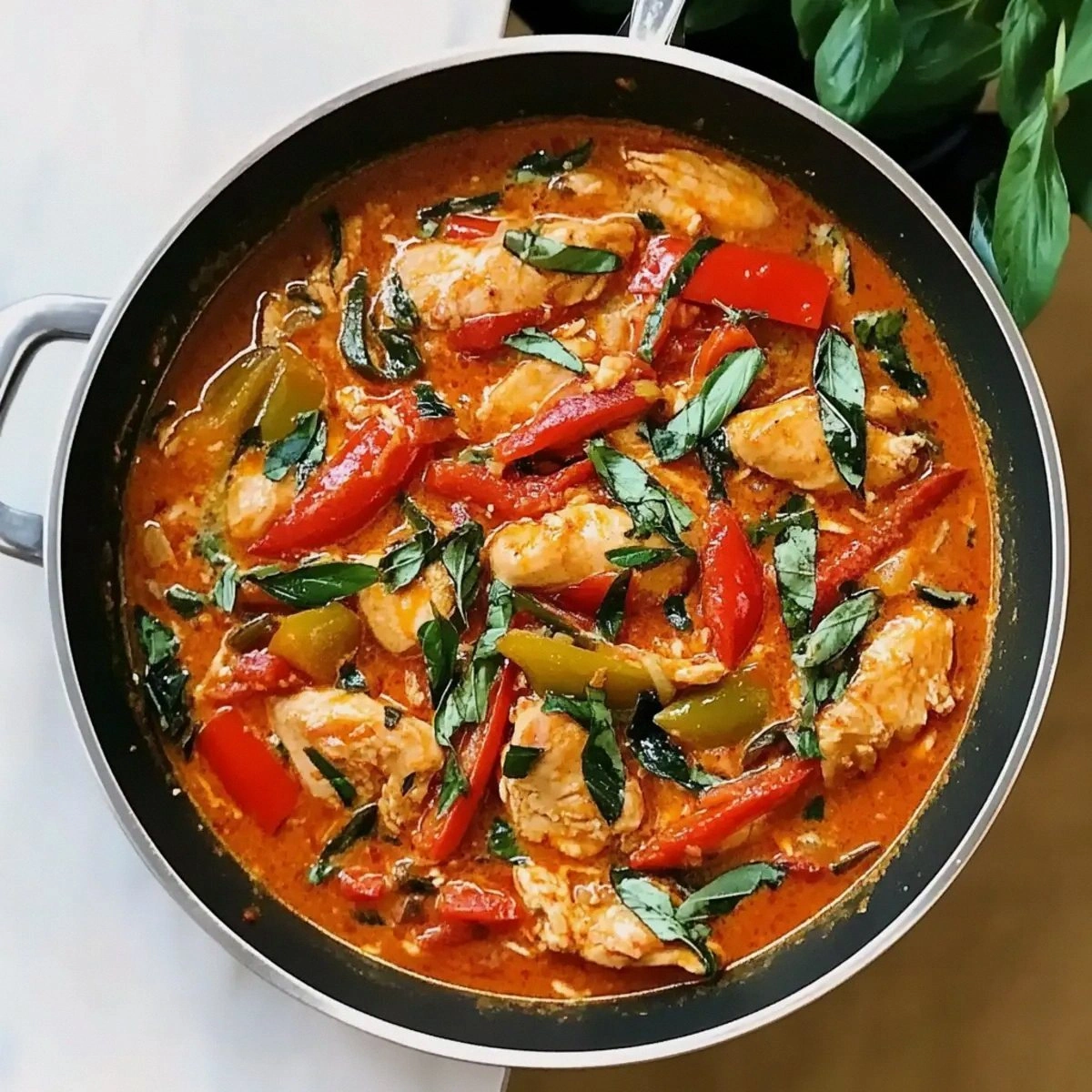
Picture this: coconut swirls catching the stove light like liquid mother-of-pearl, red curry paste blooming in the pan until the color turns from dull brick to glossy crimson, and that first hiss when seasoned chicken meets hot oil—absolute perfection. Ten minutes later you’re folding in crisp bell peppers and watching them turn jewel-bright while Thai basil releases a peppery perfume that makes your tongue tingle in anticipation. I dare you to taste the sauce and not go back for “just one more spoon” until you realize half of it is gone and you haven’t even plated yet.
Okay, ready for the game-changer? We’re finishing with a squeeze of lime that doesn’t just add brightness—it ties every single flavor together like the final chord in a jazz solo. By the time you scatter that last handful of basil, your kitchen will smell so good you’ll swear you hear a tuk-tuk idling outside. Let me walk you through every single step—by the end, you’ll wonder how you ever made it any other way.
What Makes This Version Stand Out
Lightning-Fast Luxury: We’re using boneless thighs because they stay juicy under pressure, and we’re slicing them thin so they soak up spice in record time. No waiting around for marinades or 12-hour coconut soaks—every minute is maximized for flavor.
Layered, Not Muddy: Most home curries dump everything in at once and hope for the best. We bloom the paste first, caramelize the aromatics second, then let coconut milk ride in like a creamy cavalry. The result is distinct waves of heat, sweet, and umami instead of one brown blur.
Velvet-Smooth Sauce: Ever notice how restaurant curries coat rice like liquid satin while yours puddle and separate? A quick cornstarch slurry (or even the natural thickening from reduced coconut milk) gives you that cling-without-clump factor you thought only pros could achieve.
Pantry-Friendly Powerhouse: No galangal? No kaffir lime leaves? No problem. This recipe leans on supermarket staples—curry powder, paprika, fish sauce—so you can cook on a whim without a scavenger hunt.
Customizable Fire Level: Want to impress your heat-seeking friend and still feed your spice-shy toddler? We build mild heat into the base then offer red-pepper-flake sprinkles at the end so every bowl can be tailor-torched.
One-Pot Wonder: Fewer dishes mean you’ll actually want to make this again tomorrow night. Everything happens in a single deep skillet, and the stuck-on bits deglaze into the sauce for bonus fond flavor.
Meal-Prep Champion: Flavors meld overnight like a boy-band harmony, so tomorrow’s lunch tastes even better. Make a double batch, stash half in the fridge, and you’re two steps ahead of your week.
Inside the Ingredient List
The Flavor Base
Red curry paste is the beating heart of this dish. Choose a Thai brand ( Mae Ploy or Maesri are my ride-or-dies) and check the ingredient list for shrimp paste if you’re feeding shellfish allergies. Two heaping tablespoons give you an earthy, salty backbone that supermarket curry powder can’t mimic alone. If you only have powder, double the garlic and add a pinch of chili flakes to fake that fermented funk.
Shallots melt faster than onions, releasing subtle sweetness that balances the chilies’ heat. Slice them thin so they practically dissolve into the sauce—no one wants a crunchy surprise mid-bite. In a pinch, a small yellow onion works, but shallots are the low-effort path to elegance.
The Texture Crew
Boneless chicken thighs bring built-in insurance against overcooking. White breast meat dries out faster than a gossip story; thighs stay lush even if your timer goes rogue. Cut them into generous bite-size pieces—too small and they’ll shred; too big and they won’t grab enough sauce.
Bell peppers do double duty: their skins stay snappy for textural contrast, and their hollow interiors act like tiny flavor canoes. I mix red and yellow for color pop, but green works if you want slightly bitter counterpoints. Add them late so they keep that just-crisp snap.
The Unexpected Star
Fish sauce might as well come labeled “liquid umami bomb.” A single tablespoon deepens the curry’s savory base without screaming “I’m from the ocean!” If the smell freaks you out, add it while the pan is hot—heat tames the funk and leaves only depth. Soy sauce is an acceptable but blander swap; use 1.5 tablespoons and bump the salt slightly.
Brown sugar isn’t just for sweetness; its molasses notes round out the chilies’ sharp edges. Coconut palm sugar is the traditional move, but light brown sugar from your cookie stash works perfectly. Don’t skip it—bitter and spicy without a sweet counterbalance tastes like angry fireworks.
The Final Flourish
Thai basil arrives at the end like a confetti cannon of anise and mint. Regular sweet basil will do, but you’ll miss the peppery kick that makes this dish taste restaurant-authentic. Stack the leaves, roll them like a cigar, and chiffonade just before serving so they stay vibrant green.
Lime juice is the high-note solo that makes the curry sing. Add it off-heat; boiling citrus turns bitter faster than a bad breakup. A little zest grated over the top brings floral oils that bottled juice can’t touch.
The Method — Step by Step
- Pat the chicken thighs dry with paper towels—moisture is the enemy of browning. In a bowl, toss them with paprika, garlic powder, onion powder, turmeric, 1 tablespoon of the curry powder, salt, and pepper until every piece is sunset-orange and fragrant. Let them sit while you slice the shallots and prep your other ingredients; this brief rest lets the salt start seasoning the meat from within.
- Heat a deep stainless or non-stick skillet over medium-high for 90 seconds. Add the neutral oil and swirl until it shimmers like a mirage. Lay the chicken in a single, uncrowded layer—work in two batches if necessary. You want to hear a confident hiss; if you don’t, the pan isn’t hot enough yet. Sear 2 minutes per side until golden edges form, then transfer to a plate. They’ll finish cooking later in the sauce, so pale centers are fine here.
- Drop the heat to medium and add the shallots. Stir constantly for 45 seconds; you’re looking for translucent, not browned. Scrape the browned chicken bits (the fond) with your spatula—those specks are free flavor. When the shallots look glossy and relaxed, scoot them to the side to make a bare circle in the center.
- Spoon the red curry paste into that naked pan real estate and let it toast for 30 seconds. You’ll see the color shift from dull brick to bright crimson and the oil might separate slightly—that’s the paste “blooming,” waking up all the dried spices and shrimp paste. Stir it into the shallots until everything smells like you’ve been teleported to a Bangkok street market.
- Pour in the thick cream from the top of the coconut milk can first; it will sizzle and deglaze any remaining fond. Whisk in the rest of the can, along with the remaining curry powder, brown sugar, and fish sauce. Bring to a gentle simmer, not a rolling boil—boiling coconut milk can curdle and look like a snowstorm in your pan. Reduce heat to low.
- Nestle the chicken (and any resting juices) back into the sauce. Add the sliced red onion and bell peppers. Simmer 8 minutes, stirring once halfway. The sauce should thicken enough to coat the back of a spoon. If it looks thin, bump the heat up slightly; if it looks gloppy, splash in a tablespoon of water or chicken stock.
- Off the heat, stir in the lime juice and half the Thai basil. Taste. Need more salt? Add a pinch. More heat? Sprinkle red-pepper flakes judiciously. Remember you can always add, but you can’t subtract. The sauce should taste like a confident balance of spicy, salty, sweet, and tangy—no single element should punch the others offstage.
- Serve over steamed jasmine rice or rice noodles, shower with the remaining basil, and watch the table go quiet except for the clink of spoons and satisfied sighs. Garnish with extra lime wedges so heat cowards can tame the flames and chili heads can double down.
Insider Tricks for Flawless Results
The Temperature Rule Nobody Follows
Medium heat is your best friend when blooming curry paste. Too high and the spices scorch, tasting like bitter charcoal; too low and they stay raw, giving you a muddy, flat sauce. Listen for a gentle sizzle, not a frantic sputter. If you see wisps of smoke, yank the pan off the burner for 10 seconds, lower the heat, then resume. Your nose knows—when the aroma shifts from harsh to warm and inviting, you’ve nailed it.
Why Your Nose Knows Best
Professional tasters swirl and sniff because smell is 80 percent of flavor. While the curry simmers, lean over (carefully) and inhale. You should detect coconut creaminess first, then a back-note of chilies, finally a sweet perfume from the basil. If any one scent dominates aggressively, adjust: too fishy? Add a pinch of sugar. Too sweet? Another dash of fish sauce. Too bland? A squeeze of lime will wake it up.
The 5-Minute Rest That Changes Everything
After cooking, let the curry sit off-heat for five minutes before serving. This pause lets the proteins relax, redistributing juices so the chicken doesn’t leak watery liquid onto your rice. Meanwhile the sauce thickens slightly as it cools, clinging to every grain like a cozy blanket. Cover loosely so the basil doesn’t discolor, but don’t seal it—steam buildup can dull the vibrant color.
Double-Thick Coconut Hack
For special occasions, whisk 2 Tbsp of the thick coconut cream with 1 tsp cornstarch and stir it in during the last minute. The sauce becomes glossy enough to rival your favorite Thai bistro’s presentation without tasting pasty. A friend tried skipping this step once—let’s just say it didn’t end well for her Instagram shots.
Creative Twists and Variations
This recipe is a playground. Here are some of my favorite ways to switch things up:
Green Jungle Curry
Swap red curry paste for green, add 1 diced Thai eggplant and a handful of fresh green beans. Replace bell peppers with zucchini ribbons for a lower-carb option. The green chilies bring brighter, grassier heat that feels like sprinting through humid jungle trails.
Peanut Butter Comfort Bomb
Stir in 2 Tbsp creamy peanut butter with the coconut milk for a satay-esque richness. Finish with crushed roasted peanuts and a drizzle of sweet chili sauce. Kids go bananas for this version, and it’s still sophisticated enough for grown-ups.
Seafood Sunset
Use peeled shrimp instead of chicken; they cook in 3 minutes—add them at the very end just until they curl and blush pink. Toss in chunks of fresh pineapple for a sweet-tart pop that feels like beach vacation on a plate.
Vegan Vibes
Sub chickpeas or extra-firm tofu for chicken, use soy sauce in place of fish sauce, and swap brown sugar for coconut sugar. Add diced sweet potato for heft. The curry still feels indulgent but is entirely plant-powered.
Breakfast Curry Ramen
Thin the sauce with an extra cup of chicken stock and ladle it over instant ramen noodles. Top with a jammy six-minute egg and a squirt of sriracha. Brunch menus everywhere are jealous.
Fire-Breather Edition
Add 1 bird’s-eye chili, sliced paper-thin, when you bloom the paste. Finish with a spoonful of chili crisp for double heat and crunch. Serve with cucumber slices to cool the inferno—and maybe a fire extinguisher nearby.
Storing and Bringing It Back to Life
Fridge Storage
Cool the curry completely, then transfer to an airtight glass container; plastic can absorb the turmeric stain and ghost flavors. It keeps 4 days refrigerated, though the basil will darken—add fresh leaves when reheating. Keep rice separate so it doesn’t soak up all the sauce and turn into curry-flavored concrete.
Freezer Friendly
Portion into freezer bags, squeeze out excess air, and lay flat for stackable bricks that thaw quickly. Freeze up to 3 months. The texture of bell peppers softens, but the flavor stays stellar. Thaw overnight in the fridge or submerge the sealed bag in cold water for 30 minutes.
Best Reheating Method
Slide the curry into a saucepan with a splash of water or coconut milk, cover, and warm over medium-low. Microwaving works in a pinch, but stir every 30 seconds to prevent hot spots that can break the coconut emulsion. Add a squeeze of fresh lime and a handful of fresh basil after reheating to brighten the revived flavors.