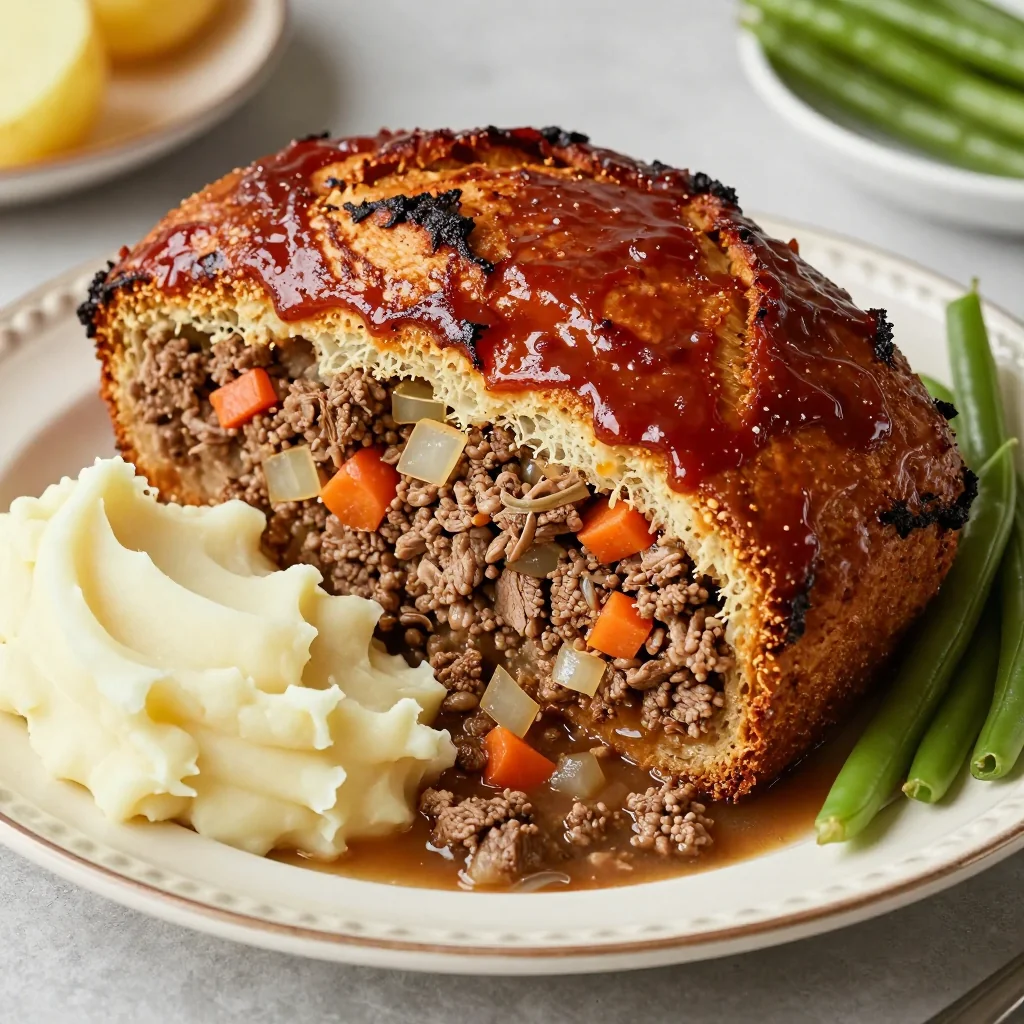
I was halfway through a chaotic dinner party, juggling a pot of simmering sauce and a half‑cooked chicken, when the universe whispered, “You need beef crostini.” My kitchen, usually a playground of burnt toast and burnt garlic, suddenly smelled of seared meat, fresh herbs, and a splash of white wine. The moment the beef hit the pan, the sizzle was a drumroll that announced the arrival of a dish that would make even my skeptical guests gasp. I dared them to taste it and not go back for seconds, and they did, their eyes wide with disbelief. That night, I learned that the right combination of a buttery crostini, tender beef, and a velvety Parmesan‑wine cream can turn a simple gathering into an unforgettable experience.
Picture yourself pulling this out of the oven, the whole kitchen smelling incredible, the sound of crisp edges shattering like thin ice. The beef, cooked to a perfect medium‑rare, is then sliced into ribbons that cling to the sauce like a velvet coat. The crostini, toasted to a golden crunch, provides a contrasting bite that sings against the rich, silky sauce. The fresh herbs—rosemary, thyme, sage—infuse the dish with a fragrant bouquet that lifts the heavy flavors into something airy and bright. And the honey, a subtle sweet whisper, balances the savory depth with a touch of caramelized sunshine. This is hands down the best version you'll ever make at home.
If you've ever struggled with making a crostini that doesn't turn soggy, or a sauce that doesn't clump, you're not alone—and I've got the fix. Most recipes get this completely wrong, using too much butter or the wrong type of wine, but here's what actually works: a dry white wine that reduces to a syrupy glaze, a touch of honey for balance, and a precise sear that locks in the beef's juices. I’ll be honest—I ate half the batch before anyone else got to try it, but that’s because this dish is so irresistible. The method is simple yet elegant, and the result is a dish that feels gourmet without the hassle. Stay with me here—this is worth it.
The secret lies in the harmony of textures and flavors: a crisp, buttery base, a tender, juicy protein, and a sauce that glazes the entire composition. The beef tenderloin, the star of the show, is seasoned with a peppercorn‑salt rub that forms a caramelized crust. The crostini, made from a humble baguette, is brushed with salted butter and toasted until the edges crackle. The sauce, a silky blend of dry white wine, heavy cream, grated Parmesan, and fresh herbs, coats each bite like a fine silk. The final flourish—goat cheese, honey, and a sprinkle of fresh sage—adds a tangy, sweet, and aromatic finish. I dare you to taste this and not go back for seconds; the flavors will linger on your palate long after the last bite.
What Makes This Version Stand Out
- Flavor Depth: The combination of dry white wine, heavy cream, and Parmesan creates a sauce that is both luxurious and balanced, unlike the overly rich sauces of many crostini recipes.
- Texture Contrast: The buttery crostini provides a satisfying crunch that contrasts with the silky sauce and tender beef, delivering a multi‑sensory experience.
- Fresh Herb Harmony: Rosemary, thyme, and sage not only add aroma but also infuse the sauce with earthy undertones that elevate the dish.
- Ingredient Quality: Using a whole beef tenderloin and fresh goat cheese ensures premium flavor, making this dish feel like a restaurant favorite.
- Make‑Ahead Friendly: The sauce can be prepared in advance, and the crostini can be toasted just before serving, saving you time on the day of the event.
- Visual Appeal: The golden crostini topped with a glossy, herb‑infused sauce and a dusting of Parmesan creates a dish that looks as impressive as it tastes.
- Versatility: This recipe works for brunch, dinner, or an elegant appetizer, making it a staple in any culinary repertoire.
Inside the Ingredient List
The Flavor Base
The dry white wine is the cornerstone of the sauce, providing acidity that cuts through the richness of the beef and cream. It also adds a subtle fruitiness that elevates the overall flavor profile. If you skip the wine, the sauce will taste flat and lack depth. For a twist, try a dry Riesling or a Sauvignon Blanc; both bring bright citrus notes that complement the herbs.
The Texture Crew
The salted butter and goat cheese create layers of buttery richness that cling to the crostini. The butter’s saltiness balances the sweetness of the honey, while the goat cheese’s tang provides a sharp counterpoint to the creamy sauce. If you’re lactose intolerant, substitute the goat cheese with a vegan cream cheese that has a similar tang. The baguette’s crisp edges give the dish a satisfying crunch, preventing it from becoming soggy.
The Unexpected Star
Fresh sage leaves, often overlooked, bring a peppery, slightly minty flavor that cuts through the richness of the sauce. Sage’s earthy aroma adds depth, making each bite feel more complex. If you can’t find sage, use a small amount of fresh oregano for a similar herbal note. Remember, the key is to use fresh herbs; dried herbs won’t deliver the same brightness.
The Final Flourish
Honey, though a small addition, plays a pivotal role by providing a caramelized sweetness that balances the acidity of the wine and the saltiness of the butter. It also helps to thicken the sauce slightly, giving it a glossy sheen. If you prefer a less sweet dish, reduce the honey by half; the sauce will still cling beautifully to the crostini. Finally, a sprinkle of grated Parmesan on top adds a nutty finish and a pleasant crunch.
Everything's prepped? Good. Let's get into the real action.

The Method — Step by Step
- Begin by bringing the beef tenderloin to room temperature; this ensures even cooking and prevents a shock that could toughen the meat. Season generously on all sides with sea salt and freshly cracked peppercorns, pressing the seasoning into the fibers. Let the beef rest for 10 minutes before cooking to allow the flavors to penetrate deeply. This step is crucial for a juicy, tender result.
- Heat a heavy skillet over medium‑high heat and add 2 tablespoons of salted butter. Once the butter foams, place the beef in the pan, searing each side for 2–3 minutes until a caramelized crust forms. Flip the steak, then sear the remaining sides. The goal is a beautiful brown exterior that locks in juices; keep the interior at a pink blush for medium‑rare.
- Transfer the seared beef to a cutting board and let it rest for 10 minutes. During this resting period, the muscle fibers relax, allowing the juices to redistribute. Slice the beef into thin ribbons, cutting against the grain to ensure maximum tenderness. The ribbons should be about 1/8 inch thick, enough to fold over the crostini without tearing.
- While the beef rests, prepare the crostini. Slice the baguette into 1/2-inch thick rounds. Brush each slice with melted butter, ensuring an even coating. Arrange the slices on a baking sheet and toast in a preheated oven at 375°F for 6–8 minutes until golden and crisp. Keep an eye on them; the edges should crackle without burning.
- Return to the skillet and deglaze with the dry white wine, scraping up any browned bits left from the beef. Let the wine reduce by half over medium heat; this concentrates the flavor and eliminates raw alcohol. Add the heavy cream, stirring constantly, and allow the mixture to simmer until it thickens slightly. This step creates the silky sauce that will envelop the beef ribbons.
- Stir in the grated Parmesan, fresh rosemary, thyme, sage, and a tablespoon of honey. The cheese melts into a smooth custard, the herbs infuse aroma, and the honey adds a subtle caramel sweetness. Let the sauce simmer for an additional 2 minutes, allowing the flavors to meld. The sauce should coat the back of a spoon and cling to the beef ribbons without dripping.
- Lay the toasted crostini on a serving platter. Top each slice with a generous dollop of goat cheese, then spoon the beef ribbons and sauce over the cheese. Sprinkle with additional fresh sage leaves and a light dusting of Parmesan for a polished look. This arrangement balances the savory, sweet, and tangy notes into a harmonious bite.
- Serve immediately while the crostini are still warm and the sauce is glossy. Offer a small bowl of extra Parmesan on the side for guests to add to taste. The dish should be enjoyed hot; the contrast between the crunchy bread and the silky sauce will be at its peak. If you’re hosting a crowd, keep a few extra crostini warm in the oven to replace those that finish early.
- For an extra touch of elegance, finish with a drizzle of aged balsamic reduction or a sprinkle of microgreens. This final flourish adds a pop of color and a hint of acidity that brightens the entire plate. Encourage guests to mix the flavors before taking a bite for the full experience.
That's it — you did it. But hold on, I've got a few more tricks that'll take this to another level.
Insider Tricks for Flawless Results
The Temperature Rule Nobody Follows
Using a meat thermometer is the most reliable way to achieve the perfect doneness. Aim for 130°F for medium‑rare, which will rise to 135°F as the steak rests. A thermometer saves you from guessing and guarantees a juicy interior. If you don’t have one, test by pressing the center; it should feel like the firmness of a fist.
Why Your Nose Knows Best
Smell the beef as it sears; a golden brown aroma indicates proper caramelization. The scent of fresh herbs rising from the sauce signals that the flavors are blooming. Trust your nose; if it smells off, the dish may need a little more time or a touch of seasoning.
The 5-Minute Rest That Changes Everything
Letting the beef rest for exactly five minutes after searing is key to retaining moisture. During this period, the internal juices redistribute, preventing them from spilling out when sliced. A short rest also allows the crust to firm up slightly, giving the beef a satisfying bite.
Butter Over Butter
Using salted butter adds a subtle umami layer to the crostini that plain butter can’t match. The salt also helps the bread crisp up evenly, preventing soggy centers. If you’re watching sodium, use a low‑sodium butter but add a pinch of sea salt to the bread coating.
Goat Cheese: The Sweet‑Sour Hero
Goat cheese provides a creamy texture and a tang that balances the richness of the beef and cream. Its slightly acidic profile brightens the dish, making it feel lighter. If you prefer a milder flavor, replace it with ricotta or a mild cheddar.
Finish With a Dash of Freshness
A final sprinkle of fresh sage or microgreens adds a pop of color and a burst of fresh flavor that cuts through the richness. The green contrast also makes the plate visually stunning. Toss the herbs just before serving to keep them crisp.
Creative Twists and Variations
Mushroom Medley
Swap the fresh herbs for sautéed porcini mushrooms, adding an earthy depth that pairs beautifully with the beef. The mushrooms release a savory umami that complements the Parmesan sauce. Toss them into the sauce during step 6 for a richer flavor profile. This variation is perfect for mushroom lovers and adds a rustic touch.
Smoky Chipotle Boost
Introduce a teaspoon of chipotle in adobo for a subtle smoky heat that contrasts the sweet honey. The chipotle also adds a peppery bite that energizes the dish. Add it to the sauce after the wine reduction, letting it infuse the cream. This version is ideal for guests who enjoy a mild kick.
Citrus Zest Explosion
Add the zest of one lemon or orange to the sauce for a bright, citrusy lift that cuts through the richness. The zest brings a fresh aroma that awakens the palate. Stir it in during step 6, then finish with a squeeze of fresh citrus juice before serving. This twist is especially refreshing during warmer months.
Pesto Perfection
Replace the goat cheese with a spoonful of basil pesto for an herbaceous, vibrant flavor. The pesto’s nutty undertones meld seamlessly with the beef. Fold the pesto into the sauce during step 6, allowing it to coat the beef ribbons. This variation offers a Mediterranean flair.
Truffle Touch
Drizzle a few drops of truffle oil over the finished crostini for an indulgent aroma and flavor. The oil’s earthy scent elevates the dish to a gourmet level. Use sparingly, as truffle oil is potent. This option is perfect for special occasions.
Vegan Version
Use a plant‑based steak substitute and replace the goat cheese with a vegan ricotta. Substitute the butter with a vegan butter or olive oil, and use a vegan Parmesan. The sauce can be made with a non‑dairy cream. This version maintains the dish’s elegance while catering to vegan guests.
Storing and Bringing It Back to Life
Fridge Storage
Store the assembled crostini in an airtight container in the refrigerator for up to 2 days. Keep the sauce separate to prevent the bread from becoming soggy. When ready to serve, reheat the crostini in a 350°F oven for 5 minutes, then top with the warm sauce. This method preserves the crispness and flavor.
Freezer Friendly
For longer storage, freeze the beef ribbons in a sealed bag for up to 3 months. The crostini can be toasted fresh from frozen by placing them on a baking sheet and baking at 375°F for 8 minutes. Reheat the sauce in a saucepan, adding a splash of milk to restore creaminess. This approach keeps the dish ready for a quick dinner.
Best Reheating Method
Reheat the sauce gently over low heat, stirring frequently. Add a tiny splash of water or broth to create steam that rehydrates the sauce, preventing it from drying out. Warm the crostini briefly in a toaster or oven, then assemble just before serving. This technique restores the dish’s original texture and taste.