Pan Seared Salmon
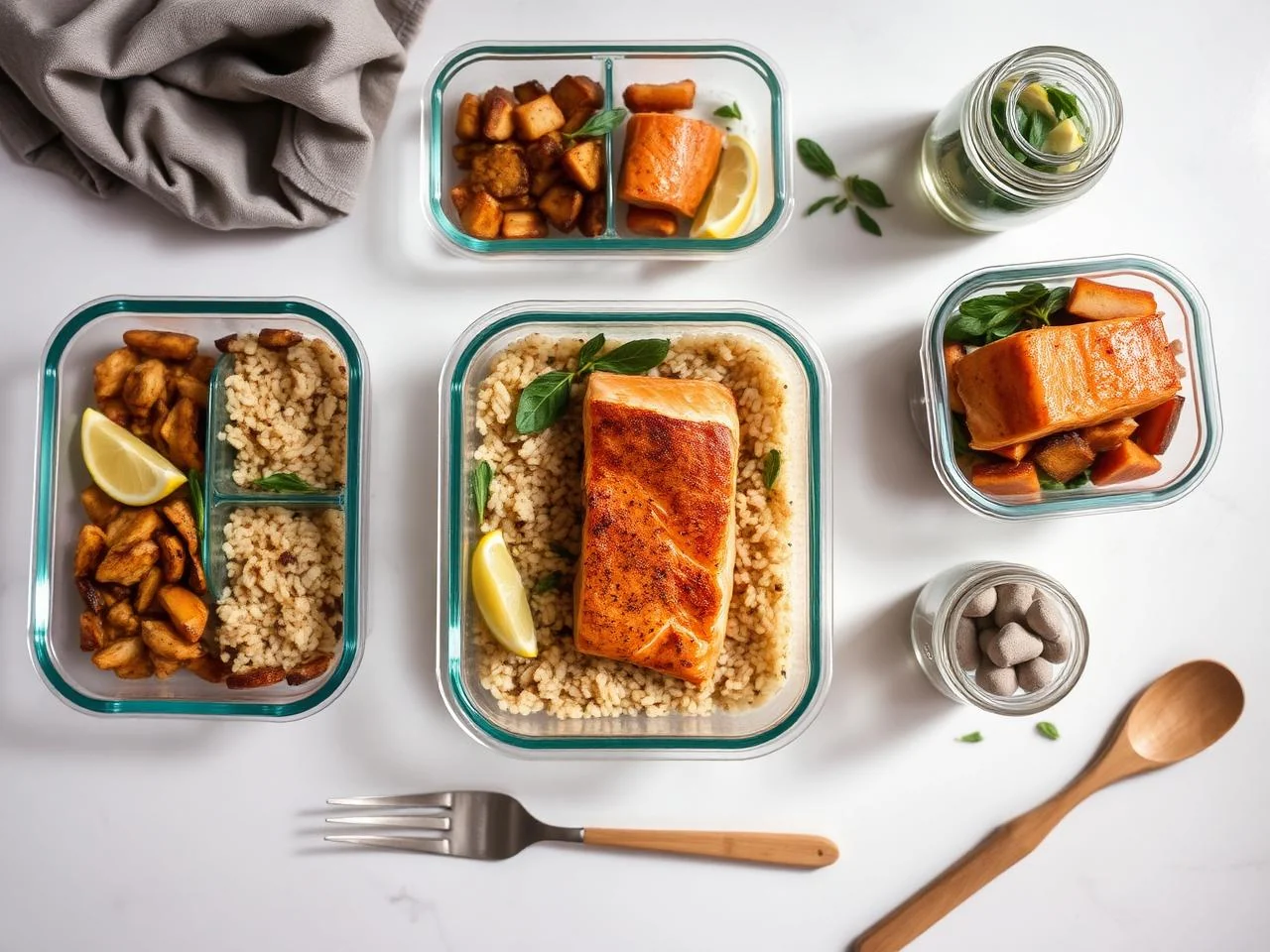
I still remember the first time I made pan seared salmon for my family. It was a weeknight dinner, and I was looking for something quick and easy to make. I had some salmon fillets in the fridge, and I decided to give it a try. The result was amazing - the salmon was cooked to perfection, with a crispy crust on the outside and a tender interior.
Since then, pan seared salmon has become one of my go-to recipes. It's perfect for a weeknight dinner, and it's also a great option for special occasions. The best part is that it's incredibly easy to make, and it requires minimal ingredients.
In this recipe, I'll show you how to make pan seared salmon that's sure to impress your family and friends. We'll start with the basics - selecting the right salmon fillets, seasoning them with salt, pepper, and lemon juice, and then searing them in a hot skillet. I'll also share some tips and tricks for getting the perfect crust on your salmon, and for serving it with a variety of sides and salads.
One of the things I love about pan seared salmon is that it's a very versatile recipe. You can serve it with a variety of sides, from roasted vegetables to quinoa or rice. You can also add different seasonings and sauces to give it a unique flavor. In this recipe, I'll show you how to make a simple lemon butter sauce that pairs perfectly with the salmon.
So, if you're looking for a delicious and easy-to-make recipe for pan seared salmon, you're in the right place. Let's get started!
Why You’ll Love This Recipe
- Pan seared salmon is a quick and easy recipe to make, perfect for a weeknight dinner.
- It's a versatile recipe that can be served with a variety of sides and salads.
- The salmon is cooked to perfection, with a crispy crust on the outside and a tender interior.
- It's a healthy recipe, high in protein and low in calories.
- It's a great option for special occasions, such as birthdays or anniversaries.
- It's a cost-effective recipe, as salmon fillets are relatively affordable.
Why This Recipe Works
The key to making great pan seared salmon is to cook it at the right temperature. When you cook salmon at a high temperature, the outside cooks quickly, while the inside remains tender and moist. This is because the heat from the pan penetrates the fish slowly, allowing it to cook evenly throughout.
Another important factor is the type of pan you use. A skillet or sauté pan with a non-stick surface is ideal for pan searing salmon, as it allows you to cook the fish without sticking or breaking apart. You should also use a small amount of oil in the pan, just enough to coat the bottom and prevent the fish from sticking.
Finally, the way you season the salmon is also important. A simple seasoning of salt, pepper, and lemon juice is all you need to bring out the natural flavors of the fish. You can also add other seasonings and herbs to give it a unique flavor, but be careful not to overdo it - you want to be able to taste the fish, not just the seasonings.
Ingredients You’ll Need
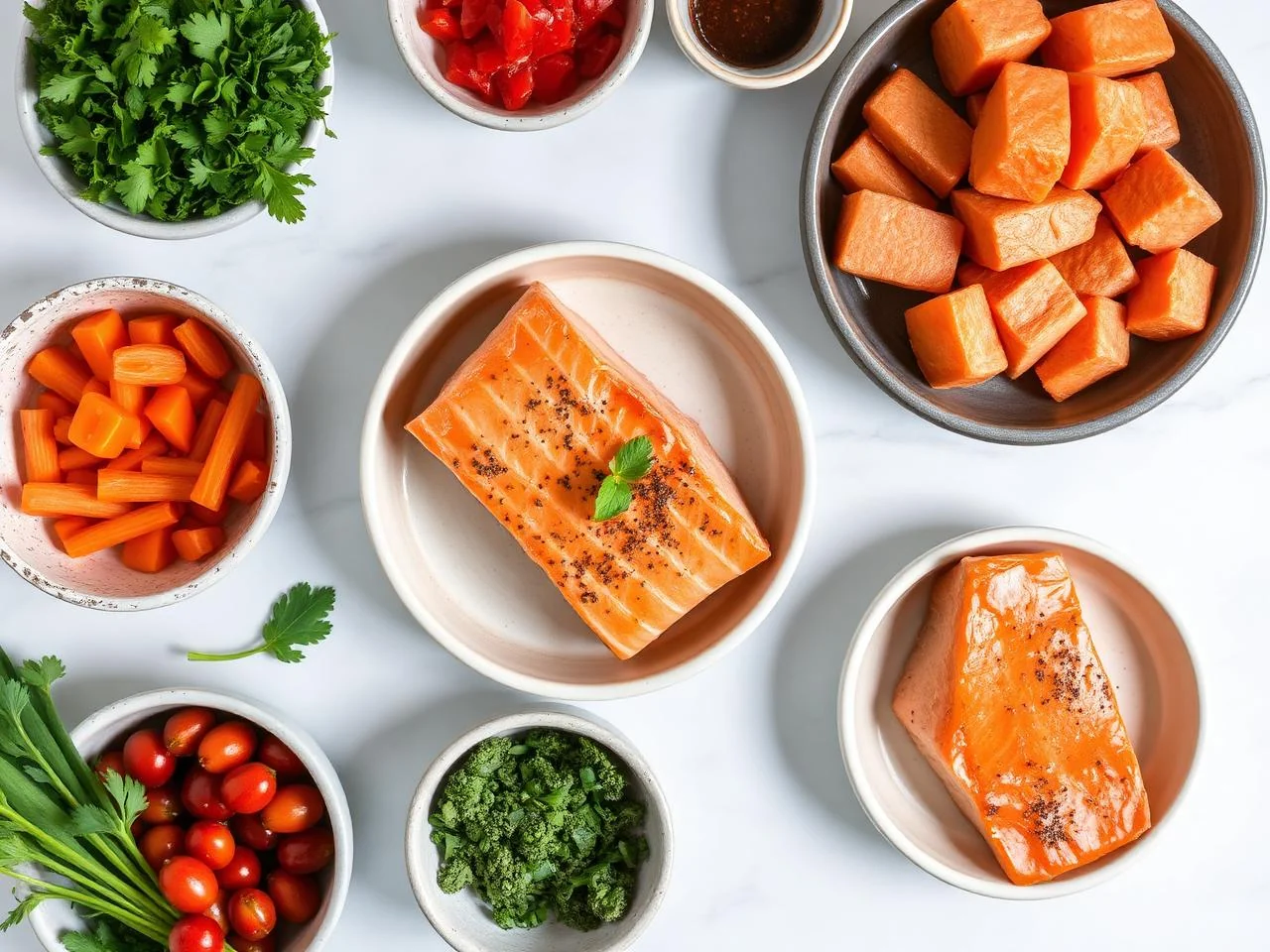
To make pan seared salmon, you'll need a few simple ingredients. The most important ingredient is the salmon fillets, which should be fresh and of high quality. You'll also need some salt, pepper, and lemon juice to season the fish, as well as some oil to cook it in. Finally, you can add some optional ingredients, such as garlic, parsley, or dill, to give it a unique flavor.
When shopping for salmon fillets, look for ones that are fresh and have a nice color. You can also ask your fishmonger for recommendations - they can help you choose the best fillets for your recipe.
- 4 salmon fillets (6 oz each)Look for fresh salmon fillets with a nice color and a firm texture. You can also use frozen salmon fillets, but make sure to thaw them first.
- 2 tbsp olive oilUse a high-quality olive oil that has a mild flavor and a high smoke point. This will help to prevent the oil from burning or smoking when you cook the salmon.
- 1 tsp saltUse kosher salt or sea salt, which have a coarser texture and a more nuanced flavor than regular table salt.
- 1/2 tsp black pepperUse freshly ground black pepper, which has a more vibrant flavor than pre-ground pepper.
- 2 tbsp lemon juiceUse freshly squeezed lemon juice, which has a brighter flavor than bottled lemon juice.
- 2 cloves garlic, mincedUse fresh garlic, which has a more vibrant flavor than jarred garlic. You can also use roasted garlic for a deeper flavor.
- 1/4 cup white wineUse a dry white wine, such as Chardonnay or Sauvignon Blanc, which will add a subtle flavor to the sauce without overpowering the salmon.
- 1/4 cup chicken brothUse low-sodium chicken broth, which will help to keep the sauce from becoming too salty.
- 2 tbsp unsalted butterUse high-quality unsalted butter, which has a richer flavor than regular butter.
- 1/4 cup chopped fresh parsleyUse fresh parsley, which has a brighter flavor than dried parsley. You can also use other herbs, such as dill or basil, for a different flavor.
Equipment You’ll Need
How to Make Pan Seared Salmon
- 1Preheat your skillet or sauté pan over medium-high heat, until it reaches 400 F (200 C).
- 2Season the salmon fillets with salt, pepper, and lemon juice. Make sure to coat the fish evenly, and use your fingers to gently massage the seasonings into the flesh.
- 3Add the olive oil to the preheated pan, and swirl it around to coat the bottom. You should see the oil shimmer and slightly smoke - this is a sign that it's hot and ready to cook the salmon.
- 4Place the salmon fillets in the pan, skin side up (if they have skin). You should hear a nice sizzle as the fish hits the pan - this is a sign that it's cooking properly.
- 5Cook the salmon for 3-4 minutes, until the skin is crispy and golden brown. Use a spatula to carefully lift and peek at the fish - if it's not done, cook for another minute and check again.
- 6Flip the salmon over, and cook for another 3-4 minutes, until it reaches an internal temperature of 145 F (63 C). Use an instant-read thermometer to check the temperature, and make sure to insert it into the thickest part of the fish.
- 7Remove the salmon from the pan, and place it on a plate to rest. Cover it with foil to keep it warm, and let it rest for 5 minutes before serving.
- 8While the salmon is resting, add the garlic to the pan and cook for 1 minute, until fragrant. You should smell the aroma of garlic wafting up from the pan - this is a sign that it's cooking properly.
- 9Add the white wine and chicken broth to the pan, and bring to a boil. Scrape up any browned bits from the bottom of the pan, using a whisk to loosen them.
- 10Reduce the heat to medium-low, and simmer the sauce for 2-3 minutes, until it's slightly thickened. You should see the sauce reduce and thicken, coating the back of a spoon - this is a sign that it's ready.
- 11Whisk in the butter, until it's fully incorporated and the sauce is smooth. You should see the sauce emulsify and come together, coating the back of a spoon - this is a sign that it's ready.
- 12Stir in the parsley, and season the sauce with salt and pepper to taste. You should taste the sauce and adjust the seasoning as needed, making sure it's balanced and flavorful.
- 13Serve the salmon with the sauce spooned over the top, and garnish with additional parsley if desired. You should see the sauce glisten and shine on top of the fish, and smell the aroma of parsley and lemon wafting up - this is a sign that it's ready to serve.
Expert Tips
- Make sure to pat the salmon dry with paper towels before cooking, to remove excess moisture and help the fish cook evenly.
- Don't overcrowd the pan - cook the salmon fillets one or two at a time, depending on the size of your pan.
- Use a thermometer to check the internal temperature of the salmon, to ensure it's cooked to a safe temperature.
- Don't overcook the salmon - it should be cooked to an internal temperature of 145 F (63 C), but still be moist and flaky.
- Let the salmon rest for a few minutes before serving, to allow the juices to redistribute and the fish to stay moist.
- Serve the salmon with a variety of sides, such as roasted vegetables, quinoa or rice, and a salad.
- Experiment with different seasonings and sauces, such as lemon butter or herb crust, to give the salmon a unique flavor.
Common Mistakes to Avoid
- Overcooking the salmon, which can make it dry and tough.
- Not using a thermometer to check the internal temperature of the salmon, which can lead to undercooked or overcooked fish.
- Not patting the salmon dry before cooking, which can make it steam instead of sear.
- Overcrowding the pan, which can prevent the salmon from cooking evenly.
- Not letting the salmon rest before serving, which can make it lose its juices and become dry.
- Not using a non-stick pan, which can cause the salmon to stick and break apart.
Variations and Substitutions
- Try using different types of fish, such as tilapia or mahi-mahi, for a different flavor and texture.
- Add some aromatics, such as onions or bell peppers, to the pan with the garlic for added flavor.
- Use different seasonings, such as paprika or cumin, to give the salmon a unique flavor.
- Try using a different type of oil, such as avocado oil or grapeseed oil, for a different flavor and texture.
- Add some acidity, such as lemon juice or vinegar, to the sauce for a brighter flavor.
- Try serving the salmon with a different side dish, such as roasted sweet potatoes or steamed broccoli.
What to Serve With Pan Seared Salmon
Pan seared salmon is a versatile dish that can be served with a variety of sides and salads. Some ideas include roasted vegetables, quinoa or rice, and a green salad. You can also serve it with a side of steamed vegetables, such as asparagus or green beans, for a healthier option.
One of the best things about pan seared salmon is that it's a great canvas for different flavors and ingredients. You can add some aromatics, such as onions or bell peppers, to the pan with the garlic for added flavor. You can also use different seasonings, such as paprika or cumin, to give the salmon a unique flavor.
Make-Ahead, Storage, Freezing and Reheating
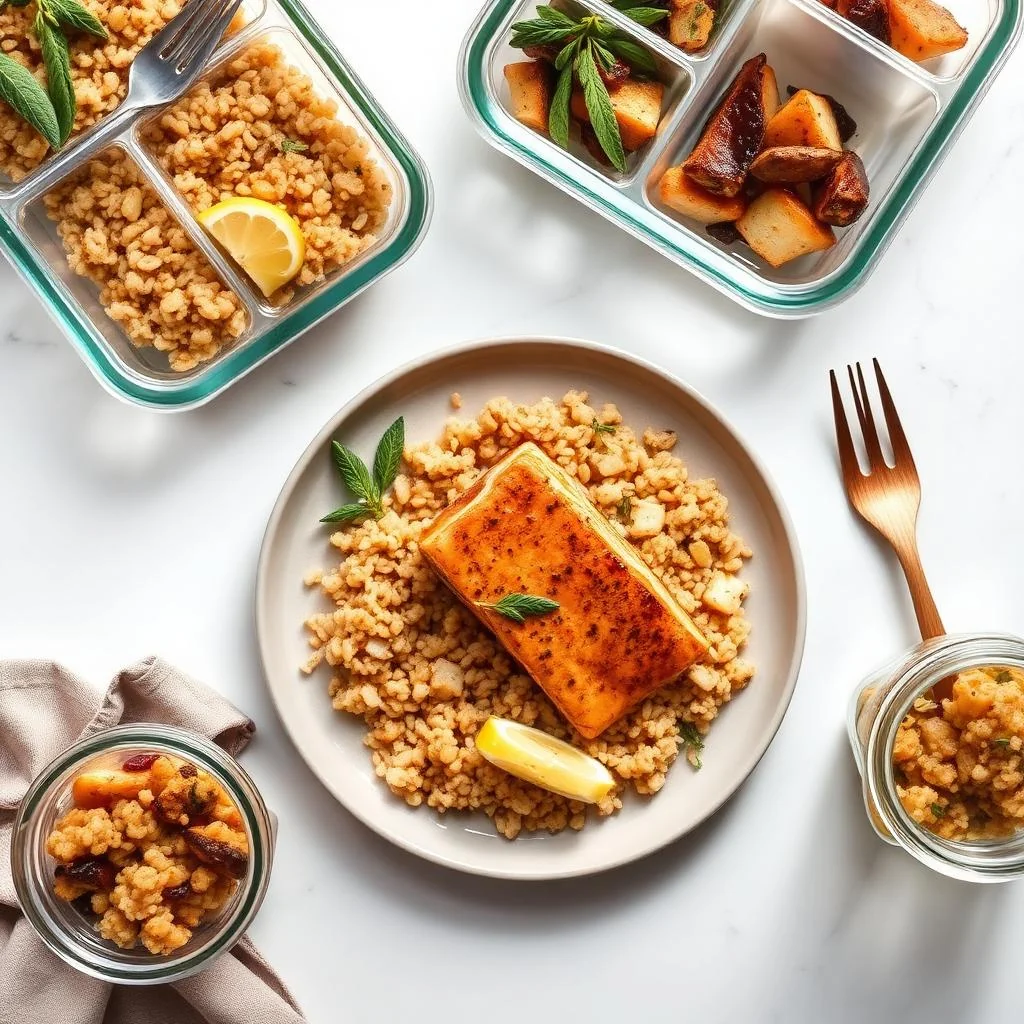
Pan seared salmon can be stored in the fridge for up to 3 days, or frozen for up to 2 months. To store it in the fridge, place the cooked salmon in an airtight container and refrigerate at 40 F (4 C) or below. To freeze it, place the cooked salmon in a freezer-safe bag or container and freeze at 0 F (-18 C) or below.
To reheat the salmon, simply place it in the oven at 350 F (175 C) for 5-7 minutes, or until it's heated through. You can also reheat it in the microwave, but be careful not to overcook it. Simply place the salmon in the microwave and heat for 30-45 seconds, or until it's heated through.
One of the best things about pan seared salmon is that it's a great make-ahead dish. You can cook the salmon up to a day in advance, and then reheat it when you're ready to serve. This makes it a great option for busy weeknights or special occasions.
To make the salmon ahead of time, simply cook it according to the recipe, and then let it cool to room temperature. Once it's cooled, place it in an airtight container and refrigerate or freeze until you're ready to serve. When you're ready to serve, simply reheat the salmon in the oven or microwave, and serve with your favorite sides and salads.
Frequently Asked Questions
What type of salmon is best for pan searing?
Look for fresh salmon fillets with a nice color and a firm texture. You can also use frozen salmon fillets, but make sure to thaw them first.
How do I know when the salmon is cooked?
Use a thermometer to check the internal temperature of the salmon, which should be 145 F (63 C). You can also check for doneness by inserting a fork or knife into the thickest part of the fish - if it flakes easily, it's done.
Can I use a different type of oil for cooking the salmon?
Yes, you can use a different type of oil, such as avocado oil or grapeseed oil, for a different flavor and texture. Just make sure to use a high-quality oil with a high smoke point, to prevent it from burning or smoking when you cook the salmon.
How do I store and reheat the salmon?
Pan seared salmon can be stored in the fridge for up to 3 days, or frozen for up to 2 months. To reheat it, simply place it in the oven at 350 F (175 C) for 5-7 minutes, or until it's heated through.
Can I make the salmon ahead of time?
Yes, you can cook the salmon up to a day in advance, and then reheat it when you're ready to serve. Simply cook the salmon according to the recipe, and then let it cool to room temperature. Once it's cooled, place it in an airtight container and refrigerate or freeze until you're ready to serve.
What are some variations I can try with the recipe?
You can try using different types of fish, such as tilapia or mahi-mahi, for a different flavor and texture. You can also add some aromatics, such as onions or bell peppers, to the pan with the garlic for added flavor. Additionally, you can use different seasonings, such as paprika or cumin, to give the salmon a unique flavor.
Can I serve the salmon with a different side dish?
Yes, you can serve the salmon with a variety of side dishes, such as roasted vegetables, quinoa or rice, and a green salad. You can also serve it with a side of steamed vegetables, such as asparagus or green beans, for a healthier option.
How do I prevent the salmon from sticking to the pan?
Make sure to pat the salmon dry with paper towels before cooking, to remove excess moisture and help the fish cook evenly. You can also use a non-stick pan, which will help to prevent the salmon from sticking and make it easier to cook.
Ingredients
- 4 salmon fillets (6 oz each)
- 2 tbsp olive oil
- 1 tsp salt
- 1/2 tsp black pepper
- 2 tbsp lemon juice
- 2 cloves garlic, minced
- 1/4 cup white wine
- 1/4 cup chicken broth
- 2 tbsp unsalted butter
- 1/4 cup chopped fresh parsley
Instructions
- Preheat your skillet or sauté pan over medium-high heat, until it reaches 400 F (200 C).
- Season the salmon fillets with salt, pepper, and lemon juice. Make sure to coat the fish evenly, and use your fingers to gently massage the seasonings into the flesh.
- Add the olive oil to the preheated pan, and swirl it around to coat the bottom. You should see the oil shimmer and slightly smoke - this is a sign that it's hot and ready to cook the salmon.
- Place the salmon fillets in the pan, skin side up (if they have skin). You should hear a nice sizzle as the fish hits the pan - this is a sign that it's cooking properly.
- Cook the salmon for 3-4 minutes, until the skin is crispy and golden brown. Use a spatula to carefully lift and peek at the fish - if it's not done, cook for another minute and check again.
- Flip the salmon over, and cook for another 3-4 minutes, until it reaches an internal temperature of 145 F (63 C). Use an instant-read thermometer to check the temperature, and make sure to insert it into the thickest part of the fish.
- Remove the salmon from the pan, and place it on a plate to rest. Cover it with foil to keep it warm, and let it rest for 5 minutes before serving.
- While the salmon is resting, add the garlic to the pan and cook for 1 minute, until fragrant. You should smell the aroma of garlic wafting up from the pan - this is a sign that it's cooking properly.
- Add the white wine and chicken broth to the pan, and bring to a boil. Scrape up any browned bits from the bottom of the pan, using a whisk to loosen them.
- Reduce the heat to medium-low, and simmer the sauce for 2-3 minutes, until it's slightly thickened. You should see the sauce reduce and thicken, coating the back of a spoon - this is a sign that it's ready.
- Whisk in the butter, until it's fully incorporated and the sauce is smooth. You should see the sauce emulsify and come together, coating the back of a spoon - this is a sign that it's ready.
- Stir in the parsley, and season the sauce with salt and pepper to taste. You should taste the sauce and adjust the seasoning as needed, making sure it's balanced and flavorful.
- Serve the salmon with the sauce spooned over the top, and garnish with additional parsley if desired. You should see the sauce glisten and shine on top of the fish, and smell the aroma of parsley and lemon wafting up - this is a sign that it's ready to serve.