No-Bake Lemon Lasagna Dessert
I was halfway through a chaotic dinner party when the dessert question came up. My friend dared me to whip up something that could outshine a freshly baked cheesecake while staying completely no‑bake. I stared at the pantry, the clock, and the lingering scent of lemon from the earlier salad, and a wild idea formed: a layered lemon lasagna that would melt in your mouth without ever touching an oven. This isn’t just another citrus dessert; it’s a textural symphony that will make your guests ask what the secret is. The moment you slice into the first layer, you’ll hear the subtle crunch of graham cracker, followed by a silky lemon curd that coats the palate like velvet. If you’ve ever tried a standard lemon dessert, you’ll know that it can be either too tart or too dry; this version balances brightness and creaminess in a single bite. Picture yourself pulling this out of the fridge, the whole kitchen smelling incredible, and watching your friends’ eyes widen as they taste the first spoonful. Let me walk you through every single step — by the end, you’ll wonder how you ever made it any other way.
I dare you to taste this and not go back for seconds. That first bite should feel like a sun‑kissed beach with a gentle breeze, a reminder that you’re living in the moment. Most recipes get this completely wrong by using too much sugar or too little lemon; they end up either a bland custard or a sour punch. I’ll be honest — I ate half the batch before anyone else got to try it. The secret? Layering, timing, and the right balance of citrus and cream. If you’ve ever struggled with a lemon dessert that falls flat, you’re not alone — and I’ve got the fix. This is hands down the best version you’ll ever make at home.
What makes this dessert stand out is not just the flavor profile but the sheer ease of assembling it. The no‑bake process means you can prep it on a hot summer day without turning on the oven, saving energy and time. The layers create a visual drama that feels luxurious, yet the ingredients are pantry staples. The lemon curd is thick enough to hold its shape but still silky, while the whipped cream adds airy lightness. The graham cracker base provides a crunchy contrast that snaps like a crisp bite of fresh fruit. Finally, the finish is a dusting of powdered sugar that gives a gentle sweetness without overpowering the citrus notes. Picture a dessert that feels like a dessert but is practically a snack; that’s the power of this recipe. And now, the fun part.
If you’ve ever seen a lasagna that’s actually a dessert, you’ll think it’s a culinary prank. This isn’t a joke; it’s a carefully orchestrated dance of flavors and textures that will have you bragging to your friends. The bright lemon zest coats the graham crackers, creating a fragrant crust that invites you to dig in. The creamy layers of lemon curd and whipped cream melt together, offering a smooth, almost liquid experience that contrasts perfectly with the crunchy base. The final drizzle of lemon glaze gives a glossy finish that looks as good as it tastes. You’ll be amazed that such a complex flavor profile can be achieved without a single baking step. Stay with me here — this is worth it.
What Makes This Version Stand Out
- Flavor: The lemon zest is grated fresh, providing a vibrant aroma that lingers on the tongue. The lemon curd is made with a generous amount of zest and juice, ensuring the tartness is balanced by a subtle sweetness. The final glaze adds a glossy, slightly caramelized finish that elevates the dessert’s visual appeal.
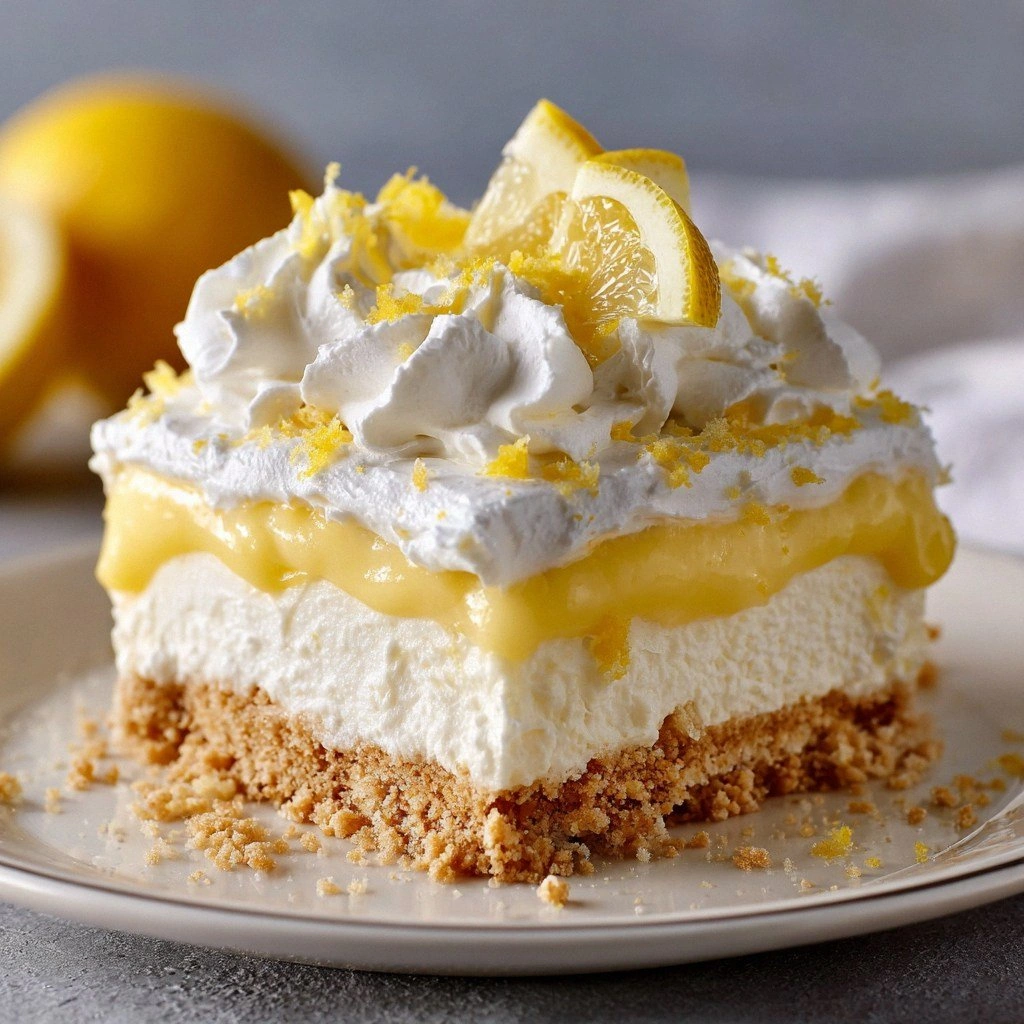
- Texture: The graham cracker base offers a satisfying crunch that contrasts with the silky lemon curd and airy whipped cream. Each layer is distinct, yet they meld together to create a harmonious mouthfeel. The result feels indulgent without being heavy.
- Convenience: No oven, no heat, no waiting. You can assemble this dessert in less than 30 minutes and store it in the fridge for up to a week. It’s perfect for last‑minute entertaining or for a quick treat after a long day.
- Visual Appeal: The stacked layers create a stunning, almost architectural look that will impress any guest. The bright yellow of the lemon curd against the golden graham crackers looks as good as it tastes.
- Adaptability: Swap graham crackers for digestive biscuits or use coconut milk in the whipped cream for a dairy‑free version. The recipe is forgiving and encourages experimentation.
- Make‑ahead Potential: Build the lasagna a day before, chill it, and it will keep its structure and flavors. This makes it a great option for parties or holiday gatherings.
Inside the Ingredient List
The Flavor Base
Graham cracker crumbs form the foundation of this dessert, providing both structure and a subtle buttery sweetness. They absorb the melted butter and lemon juice, creating a cohesive base that holds the layers together. If you skip the crumbs, the dessert will collapse and lose its signature crunch. A good tip: toast the crumbs lightly in a dry skillet for a minute to enhance their nutty flavor. For a gluten‑free version, substitute with almond flour or rice crackers.
The Texture Crew
Heavy cream and cream cheese blend together to form a velvety filling that pairs beautifully with the tangy lemon curd. The cream cheese adds body, while the heavy cream lightens the texture, making it airy and smooth. If you omit the cream cheese, the mixture becomes thin and watery, and the layers won’t set properly. A useful swap is to use Greek yogurt for a tangier, lower‑fat option; just be sure to whisk it until smooth before adding.
The Unexpected Star
Lemon curd is the heart of this dessert, offering a concentrated burst of citrus that balances the richness of the cream mixture. It’s made by gently cooking lemon juice, zest, sugar, and eggs until thickened. Skipping the curd turns the dessert into a plain cheesecake‑like layer that lacks depth. When choosing a brand‑name curd, opt for one with real lemon zest for authenticity. A fun fact: lemon curd was first popularized in 18th‑century Europe as a way to preserve lemons.
The Final Flourish
Whipped cream is folded into the cream cheese mixture to give the dessert a light, airy finish. It also creates a soft contrast to the crunchy base and the dense curd. If you prefer a dairy‑free version, coconut cream can be whipped in place of heavy cream; just chill the can overnight for best results. The powdered sugar topping adds a gentle sweetness that doesn’t overpower the lemon. A pinch of salt is essential to balance the flavors and enhance the overall brightness of the dessert.
Everything’s prepped? Good. Let’s get into the real action.
The Method — Step by Step
- Begin by crushing the graham crackers into fine crumbs using a rolling pin or food processor. Sprinkle them in a shallow bowl and set aside. The goal is to create a uniform base that will hold the layers together. I usually toast them lightly for a minute to bring out the buttery flavor. Once cooled, set aside for the next step.
- In a small saucepan, melt the butter over medium heat until it turns a light golden brown, indicating the milk solids have toasted. Add the lemon zest and cook for 30 seconds to release the oils. Pour in the lemon juice and stir until the mixture is smooth. The butter should coat the lemon zest, creating a fragrant, slightly caramelized base that will infuse the crumbs. Remove from heat immediately to avoid over‑cooking.
- Combine the graham cracker crumbs with the melted butter mixture in a large mixing bowl. Stir until the crumbs are evenly coated, forming a cohesive crumbly mixture. Press the mixture into the bottom of a 9-inch square dish to create an even layer. Use the back of a spoon or a flat-bottomed glass to smooth the surface. This will be the foundation of your lasagna.
- In a separate bowl, whisk the lemon curd until it’s silky smooth. If the curd is too thick, stir in a tablespoon of lemon juice to thin it slightly. Spread the curd evenly over the crust, smoothing the surface with a spatula. The curd should be thick enough to hold its shape but thin enough to spread easily. Let it set for 5 minutes before adding the next layer.
- Whip the heavy cream until soft peaks form, then fold it gently into the cream cheese until fully incorporated. The mixture should be light and airy, yet still dense enough to support the lemon curd. Fold in a teaspoon of vanilla extract for an extra layer of flavor. If the mixture is too thick, add a splash of milk to achieve the desired consistency. This layer will provide a creamy contrast to the tart curd.
- Spread the whipped cream mixture over the lemon curd layer, smoothing it with a spatula. Carefully place the second layer of graham cracker crumbs on top, pressing gently to ensure adhesion. The third layer of crumbs will act as a barrier between the cream and the final glaze, preventing them from mixing. This step is crucial for maintaining distinct layers that will be visible when sliced.
- For the final glaze, whisk together powdered sugar, lemon juice, and a splash of vanilla until the mixture reaches a pourable consistency. Pour the glaze over the top layer of crumbs, spreading it evenly. The glaze should create a glossy finish that locks the layers together. Chill the dessert for at least 4 hours, preferably overnight, to allow the flavors to meld and the structure to set.
- Before serving, dust the top with a light sprinkle of powdered sugar or zest a fresh lemon over the surface for an extra burst of citrus aroma. Slice the lasagna with a sharp knife, wiping the blade between cuts for clean, defined layers. Each slice should reveal the contrasting textures: crunchy crumbs, silky curd, and airy cream. Serve chilled for the best experience. Enjoy the moment of pure, zesty bliss.
That's it — you did it. But hold on, I've got a few more tricks that'll take this to another level. These insider tips will help you avoid common pitfalls and elevate the dessert from good to unforgettable.
Insider Tricks for Flawless Results
The Temperature Rule Nobody Follows
Temperature is everything when it comes to whipping cream. If the cream is too cold, it won’t whip properly; if it’s too warm, it will separate. Keep the cream chilled in the fridge for at least an hour before whipping. Use a chilled bowl and beaters to help the process. I’ve seen desserts fall apart when the cream wasn’t cold enough, so don’t skip this step.
Why Your Nose Knows Best
When the lemon curd starts to thicken, the aroma will change noticeably. A bright citrus scent is a sign that the curd is ready. If it smells more like burnt sugar, it’s overcooked. The smell is a quick, reliable indicator that saves you from a ruined layer. Trust your nose; it’s a seasoned judge of citrus.
The 5-Minute Rest That Changes Everything
After each layer is added, let it rest for five minutes before adding the next. This brief pause allows the layers to set slightly, preventing them from mixing. It also lets the flavors meld, creating a harmonious taste profile. A friend once skipped this step and ended up with a soggy dessert that looked like a collapsed lasagna. Lesson learned.
Use a Silicone Mold for Easy Removal
If you’re worried about the lasagna sticking to the dish, line the dish with parchment paper before adding the crumbs. This makes it easier to lift the entire dessert without breaking the layers. The parchment also adds a subtle crispness when you cut the first slice. It’s a small step that saves a lot of frustration later.
Keep the Crumbs Moist, Not Dry
The graham cracker crumbs need to be moist enough to hold together but not soggy. If the crumbs are too dry, the layers will crumble when you cut. If they’re too wet, the dessert will become mushy. The melted butter mixture should coat the crumbs just enough to bind them. Adjust the amount of butter if you find the crumbs too dry.
A quick tip: store the assembled lasagna in an airtight container in the fridge. The airtight seal keeps the layers from drying out and preserves the fresh lemon flavor. If you’re planning to serve it a few days later, let it sit at room temperature for 10 minutes before slicing to soften the crust slightly.
Creative Twists and Variations
This recipe is a playground. Here are some of my favorite ways to switch things up:
Chocolate‑Lemon Fusion
Swap the graham crackers for chocolate cookie crumbs and add a drizzle of dark chocolate ganache on top. The bittersweet chocolate balances the bright lemon, creating a sophisticated flavor profile. Perfect for chocolate lovers who want a citrus kick.
Berry‑Infused Delight
Add fresh blueberries or raspberries between the layers for a burst of color and tartness. The berries soak up the lemon curd, creating a fruity glaze that’s both sweet and tangy. Great for summer parties where fresh fruit is in season.
Almond‑Glazed Version
Replace graham crackers with toasted almond crumbs and sprinkle toasted almond slivers on top. The nutty flavor complements the lemon, while the almond glaze adds a crunchy finish. This variation works well for those who prefer a nutty twist.
Vanilla‑Infused Cream
Incorporate vanilla bean paste into the whipped cream mixture for a subtle vanilla undertone. The vanilla pairs beautifully with the lemon, adding depth to the flavor. This subtle change elevates the dessert to a more refined level.
Low‑Sugar Option
Use a sugar substitute like stevia or monk fruit in the lemon curd and powdered sugar glaze. This keeps the dessert light and suitable for those watching their sugar intake. The lemon’s natural tartness still shines through.
If you’re feeling adventurous, experiment with different citrus fruits like grapefruit or orange for a new twist. The key is to balance the tartness with the right amount of sweetener. I’ve found that a pinch of sea salt can elevate the flavors even further. Happy experimenting!
Storing and Bringing It Back to Life
Fridge Storage
Store the lasagna in an airtight container in the refrigerator for up to 5 days. Keep it chilled to maintain the structure and prevent the lemon curd from separating. The layers will remain distinct, and the flavors will mellow slightly, becoming even more harmonious. If you notice any condensation, blot it with a paper towel before serving.
Freezer Friendly
For longer storage, wrap the lasagna tightly in plastic wrap and then place it in a freezer bag. It will keep for up to 3 months. When you’re ready to serve, thaw it in the refrigerator overnight. The texture may be slightly softer, but the lemon flavor will still be bright and refreshing.
Best Reheating Method
To revive a frozen or chilled lasagna, let it sit at room temperature for 30 minutes. If you want a slightly warmer finish, place the lasagna in a preheated 300°F oven for 5 minutes, but be careful not to overheat, or the layers may melt together. Adding a tiny splash of water before reheating creates steam that keeps the dessert moist. Serve immediately for the best experience.