Picture this: the kitchen clock ticks down the last minute of a busy weekday, and your stomach is screaming for something that feels both comforting and adventurous. You reach for the pantry, eyes darting between the jar of sun‑dried tomatoes, the block of feta, and the bag of bowtie pasta. Suddenly, a memory pops up—last month’s dinner party where the Mediterranean bowl of pasta you served was the talk of the evening. That night, the plate was so full of flavor it practically sang. I dare you to taste this and not go back for seconds.
When I first cracked open the recipe, the aroma that hit me was a layered tapestry: the sharpness of garlic, the tang of sun‑dried tomatoes, the briny whisper of olives, and the buttery richness of olive oil. The sound of the skillet sizzling with the first splash of oil was like a promise of something delicious. The sight of the pasta swirled in the pot, a bright, glossy sea, made my heart race. I could almost taste the burst of lemon zest and the subtle heat from the red pepper flakes. If you’ve ever struggled to make a pasta dish that feels both homemade and restaurant‑grade, you’re not alone—and I’ve got the fix.
What makes this version stand out is that it’s not just a bowl of pasta; it’s a symphony of textures and flavors that dance together. The bowtie shape is perfect for holding onto the sauce, and the toasted pine nuts give a nutty crunch that shatters like thin ice. The feta adds a creamy saltiness that cuts through the acidity of the tomatoes, while the spinach brings a pop of green that feels both fresh and comforting. The lemon zest and juice lift everything with a bright, citrusy note that keeps the dish from feeling heavy. And the final sprinkle of fresh basil is like a breath of fresh air—delicate, aromatic, and absolutely essential.
I’ve tweaked this recipe over dozens of nights, and the secret ingredient that truly elevates it is a splash of dry white wine in the sauce. It adds depth and a subtle acidity that balances the richness of the olive oil and feta. And that’s just the beginning. By the end, you’ll wonder how you ever made it any other way. Stay with me, because we’re about to dive into a recipe that’s hands down the best version you’ll ever make at home.
What Makes This Version Stand Out
- Flavor: The combination of sun‑dried tomatoes, kalamata olives, and feta creates a bold, savory profile that’s unmistakably Mediterranean.
- Texture: Toasted pine nuts add a satisfying crunch, while the spinach’s slight wilt gives a gentle, earthy bite.
- Visual Appeal: The bright colors of the tomatoes, olives, and basil make the dish look as good as it tastes.
- Ease of Prep: Most ingredients are pre‑chopped or pre‑crumbled, so you can have a full meal on the table in under 45 minutes.
- Crowd‑Pleaser: Guests rave about the sauce’s velvety coating and the surprising burst of citrus.
- Ingredient Quality: Using high‑quality extra virgin olive oil and fresh herbs makes all the difference.
- Make‑Ahead Potential: The sauce can be prepared a day ahead, letting flavors meld even further.
- Health‑Friendly: Packed with vegetables, healthy fats, and lean protein from feta, it’s a balanced meal.
Alright, let’s break down exactly what goes into this masterpiece…
Inside the Ingredient List
The Flavor Base
Extra virgin olive oil is the canvas that brings everything together. It’s not just a cooking fat; it’s a flavor enhancer that carries the garlic’s pungency and the tomatoes’ sweetness. Skimming off any excess oil after sautéing helps keep the dish from feeling greasy. If you’re watching calories, a tablespoon less won’t hurt the overall taste.
Garlic is the backbone of Mediterranean cuisine. Minced finely, it releases a sharp, aromatic bite that lingers through the sauce. If you prefer a milder profile, let the garlic cook until just golden—this mellows the flavor and adds a subtle nutty undertone.
The Texture Crew
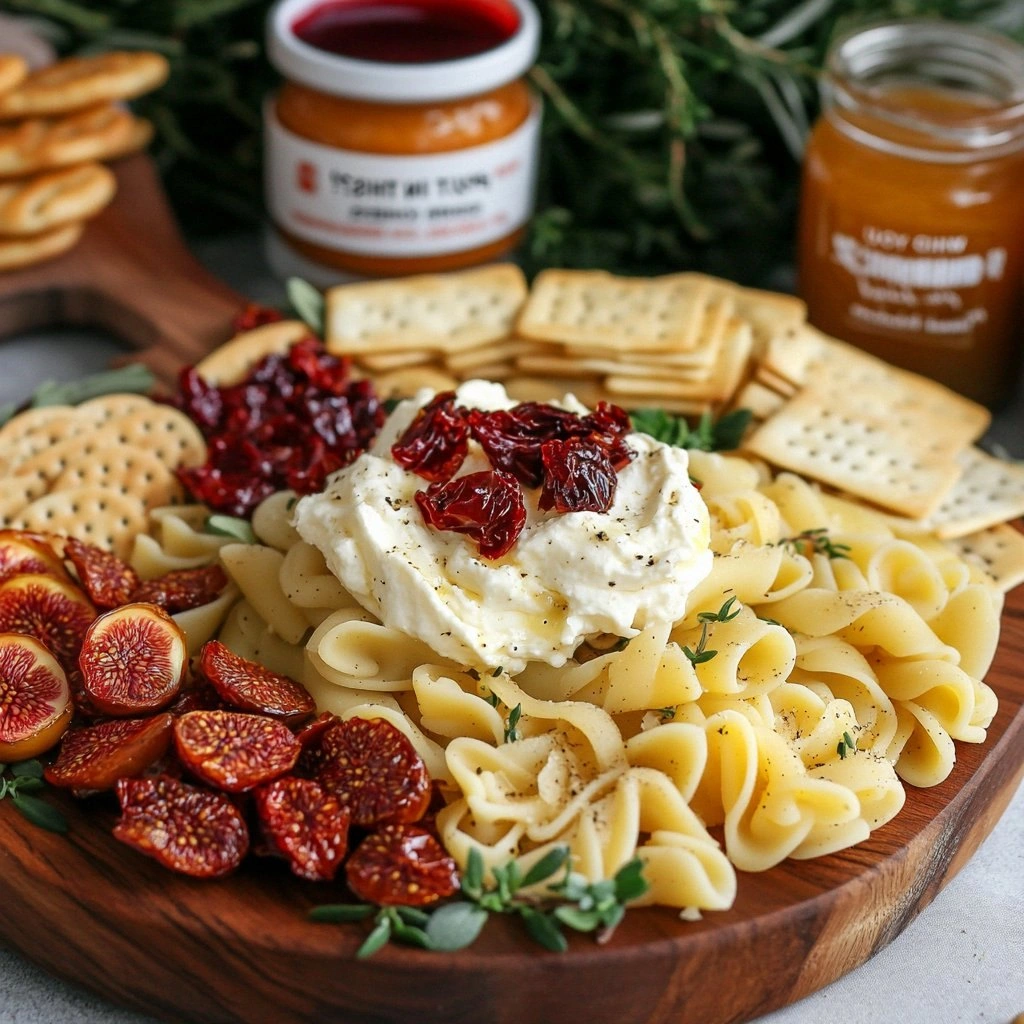
Bowtie pasta, with its wide, flat shape, is ideal for clinging to sauces. It also offers a pleasant bite that isn’t too mushy. Cook it al dente so that it can hold up against the rich sauce without becoming soggy.
Pine nuts, toasted to a golden hue, provide a crunchy contrast that’s both nutty and buttery. If you’re allergic or just want a cheaper alternative, chopped walnuts or almonds work well.
The Unexpected Star
Kalamata olives bring a briny depth that’s hard to replicate with other olives. Their dark, glossy skins add visual drama, while their flesh offers a salty, savory note that balances the sweetness of the tomatoes. If you can’t find them, green olives give a milder flavor but still maintain the Mediterranean vibe.
Sun‑dried tomatoes, packed in olive oil, provide a concentrated burst of umami. They’re sweeter than fresh tomatoes and hold their shape even after cooking, offering a chewy texture that contrasts with the soft pasta.
The Final Flourish
Fresh basil and lemon zest are the final touches that lift the entire dish. Basil’s aromatic oils brighten the sauce, while lemon zest adds a bright, citrusy punch that cuts through the richness. A squeeze of fresh lemon juice right before serving adds a fresh, tangy finish.
Feta cheese, crumbled, delivers a creamy, salty component that melts slightly into the sauce, creating a silky coating on every strand of pasta. If you’re vegan, a sprinkle of nutritional yeast or a plant‑based cheese alternative can mimic the tang.
Everything’s prepped? Good. Let’s get into the real action…
The Method — Step by Step
- Step 1: Cook the Pasta. Bring a large pot of salted water to a rolling boil. Add the bowtie pasta and cook until al dente, about 9–10 minutes. Stir occasionally to prevent sticking. Drain and set aside, reserving a cup of pasta water for later.
- Step 2: Sauté Aromatics. While the pasta cooks, heat the olive oil in a large skillet over medium heat. Add the minced garlic and sauté until fragrant, about 30 seconds. Watch the color; it should be a pale golden but not browned.
- Step 3: Build the Sauce. Add the sun‑dried tomatoes, kalamata olives, and cherry tomatoes to the skillet. Cook for 2–3 minutes, letting the tomatoes soften slightly. The sauce should smell toasty and the tomatoes should release their juices. Kitchen Hack: Toss in a splash of white wine at this point to deglaze the pan and lift any caramelized bits.
- Step 4: Add Greens. Stir in the fresh spinach, letting it wilt down into the sauce. The spinach should reduce in volume, leaving a vibrant green base that blends with the other flavors. Keep the heat medium to avoid burning.
- Step 5: Season and Simmer. Add oregano, red pepper flakes, and a pinch of salt and pepper. Stir well, then pour in the vegetable broth. Let the mixture simmer for 5 minutes, allowing the flavors to marry. Watch Out: If the sauce reduces too quickly, lower the heat or add a little pasta water to maintain the desired consistency.
- Step 6: Finish the Sauce. Stir in the crumbled feta and pine nuts. Let them melt and mingle with the sauce for 2 minutes. The feta should soften and coat the pasta. Kitchen Hack: If you prefer a creamier sauce, add a splash of heavy cream or a dollop of Greek yogurt at this point.
- Step 7: Combine Pasta and Sauce. Add the drained pasta to the skillet, tossing to coat each bowtie with the sauce. If the mixture feels too thick, add a splash of reserved pasta water to loosen it. Cook together for 1–2 minutes, letting the pasta absorb the flavors.
- Step 8: Final Touches. Stir in lemon zest, fresh basil, and a squeeze of lemon juice. These bright accents lift the dish and create a harmonious finish. Taste and adjust seasoning if necessary.
- Step 9: Serve Immediately. Plate the pasta in shallow bowls or wide plates, ensuring each forkful has a good mix of sauce, olives, and veggies. Garnish with extra basil leaves and a dusting of grated Parmesan if desired. The dish should feel warm, fragrant, and ready to devour.
- Step 10: Enjoy. Take a moment to savor the first bite—notice the crunch of pine nuts, the creamy feta, and the citrusy lift from lemon. This is pure magic in a bowl.
That’s it—you did it. But hold on, I’ve got a few more tricks that will take this to another level…
Insider Tricks for Flawless Results
The Temperature Rule Nobody Follows
Many people cook pasta on a low simmer, which can cause uneven cooking. The secret is a rolling boil for the first 2 minutes, then reduce to medium. This ensures the pasta cooks evenly and retains that al dente bite that’s essential for holding the sauce.
Why Your Nose Knows Best
Trust your sense of smell. When the sauce begins to bubble and the garlic releases a sweet aroma, you know it’s ready for the next step. If the scent is too sharp, let it simmer a bit longer to mellow out.
The 5-Minute Rest That Changes Everything
After removing the skillet from heat, let the sauce rest for 5 minutes before mixing in the pasta. This pause allows the flavors to meld and the sauce to thicken slightly, giving the dish a richer mouthfeel.
The Secret of the Pine Nuts
Toast pine nuts in a dry skillet over medium heat until golden, about 3 minutes. Toss them with a pinch of salt and a splash of olive oil to prevent sticking. This step releases their nutty oils and adds a satisfying crunch that elevates the dish.
The Lemon Zest Trick
Grate lemon zest directly into the sauce to avoid any bitter white pith. The zest’s bright oils infuse the entire dish with a subtle citrus perfume that balances the richness of feta and olive oil.
The Final Seasoning Check
Before plating, taste the sauce. If it feels flat, add a dash of salt or a pinch of sugar to brighten. Remember, the olives and feta already bring saltiness, so be cautious.
Creative Twists and Variations
This recipe is a playground. Here are some of my favorite ways to switch things up:
Mediterranean Chicken Bowl
Swap the feta for shredded rotisserie chicken and add a handful of roasted red peppers. The protein boost makes it a hearty lunch or dinner.
Pesto Power
Blend fresh basil, garlic, pine nuts, and olive oil into a pesto and swirl it into the sauce. It adds a green, herbaceous layer that’s both fragrant and creamy.
Vegan Version
Replace feta with a sprinkle of nutritional yeast and use a plant‑based cheese alternative. The dish remains creamy and satisfies the Mediterranean vibe.
Spicy Shrimp Surprise
Sauté peeled shrimp with a pinch of paprika and garlic before adding them to the sauce. The shrimp’s sweet, slightly briny flavor complements the olives and tomatoes.
Pasta Primavera Twist
Add diced zucchini, bell peppers, and artichoke hearts for a fresh, vegetable‑packed version. The extra veggies make it a colorful, nutrient‑dense dish.
Balsamic Reduction
Finish the sauce with a splash of balsamic vinegar and let it reduce until syrupy. The sweet acidity adds a depth that pairs beautifully with the olives.
Storing and Bringing It Back to Life
Fridge Storage
Store leftovers in an airtight container for up to 3 days. Keep the sauce and pasta separate if you want to preserve the pasta’s texture. Reheat gently on the stove, adding a splash of water to loosen the sauce.
Freezer Friendly
Freeze the sauce in a freezer‑safe container for up to 2 months. Reheat in a saucepan over low heat, stirring frequently, until warmed through. The sauce may thicken slightly; add a bit of pasta water to restore its silky consistency.
Best Reheating Method
The ideal way to reheat is in a skillet with a splash of olive oil or broth. This method keeps the sauce from drying out and allows the flavors to bloom again. A quick microwave session works too, but stir in a tablespoon of water to keep it from becoming rubbery.