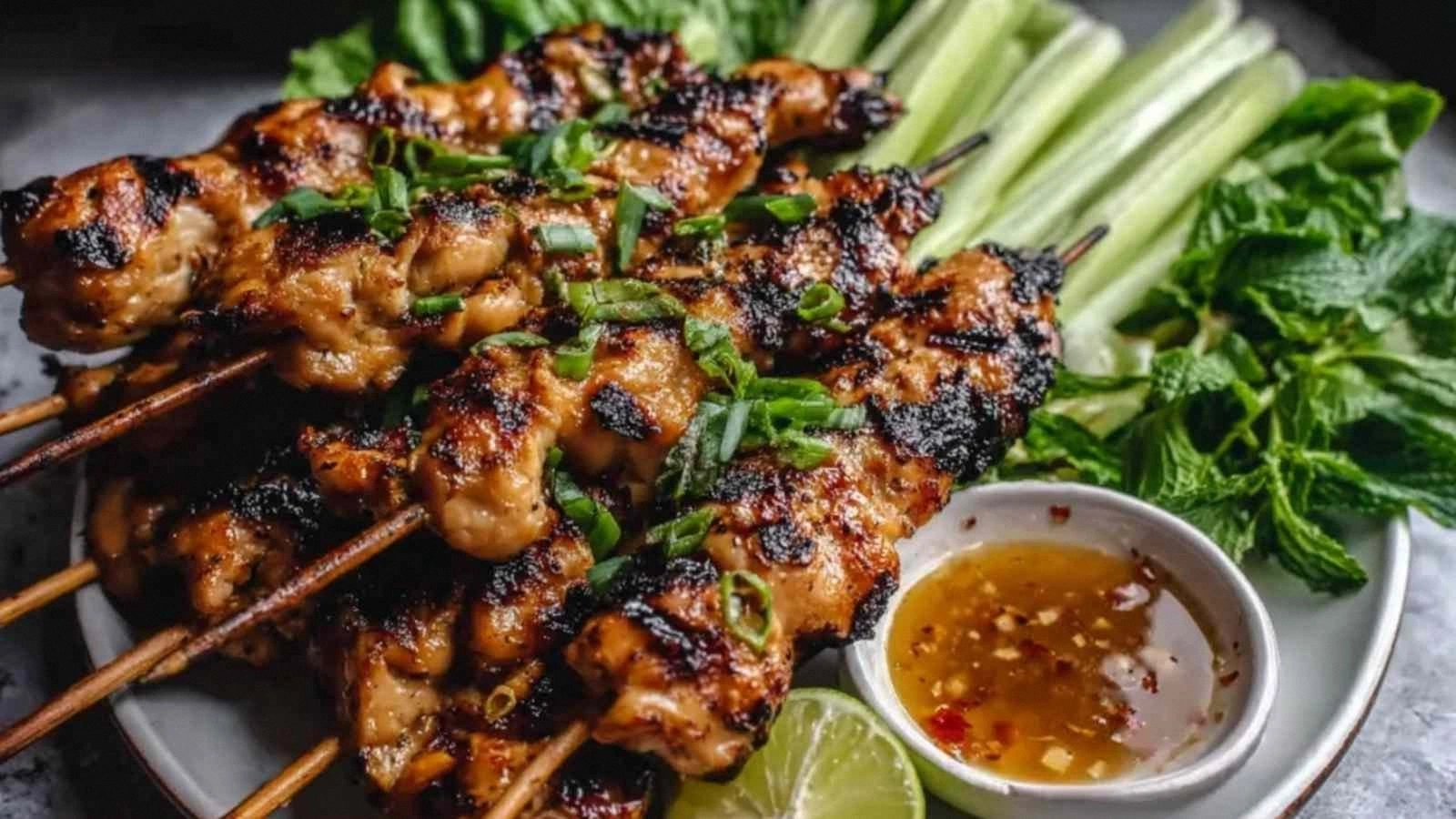
I was halfway through a week of bland dinners when my phone buzzed with a frantic text from a friend who had just moved to Hanoi. “I need a dish that screams Vietnam but works on a budget,” she wrote, and I knew I had to deliver. That night I rummaged through my pantry, grabbed a handful of fresh ingredients, and set about creating what would soon become my signature grilled Vietnamese chicken. The result? A dish that marries the bright tang of lime, the savory depth of fish sauce, and the subtle sweetness of honey, all wrapped around juicy, tender thighs.
Picture this: a sizzling grill, the aroma of lemongrass and garlic swirling in the air, and the sound of meat popping as it hits the hot metal. The first bite is a burst of citrus that cuts through the richness, leaving a lingering, almost floral finish that makes you want to keep reaching for more. I dare you to taste this and not go back for seconds; the combination of textures—crispy edges that shatter like thin ice and a succulent interior—creates an unforgettable experience. If you’ve ever felt that grilled chicken was just… grilled chicken, this version will shatter that illusion.
What sets this recipe apart is not just the flavor profile, but the method. By marinating the thighs in a balanced sauce that includes honey for caramelization and fish sauce for umami, I achieved a glaze that sticks without burning, a common pitfall in many grilled dishes. The use of fresh cilantro and lime wedges at the end adds a burst of freshness that lifts the entire plate, making it feel like a meal you’d find on a street vendor’s cart in Ho Chi Minh City. I’ll be honest—my first batch was a triumph, and I ate half the batch before anyone else got a taste.
Most recipes get this completely wrong by overcooking the chicken or using too much salt. Here’s what actually works: a quick, high‑heat sear followed by a short finish on the grill, and a sauce that’s thick enough to coat but thin enough to stay glossy. Picture yourself pulling this out of the oven, the whole kitchen smelling incredible, and knowing you’ve just crafted a dish that will become a staple for weeks to come. Let me walk you through every single step—by the end, you’ll wonder how you ever made it any other way.
What Makes This Version Stand Out
- Flavor: The marriage of sweet honey and salty fish sauce creates a glaze that caramelizes beautifully, giving the chicken a caramelized, almost buttery finish that sets it apart from standard marinades.
- Texture: A quick sear locks in juices while the high heat crisps the exterior, producing a contrast that feels like a perfectly balanced bite of crunch and melt.
- Ingredient Quality: Fresh lemongrass and lime juice are the backbone of the sauce, ensuring each bite is bright, aromatic, and unmistakably Vietnamese.
- Simplicity: With only a handful of pantry staples, this recipe feels approachable for beginners and impressive for seasoned cooks.
- Make‑Ahead Potential: The marinated chicken can rest in the fridge for up to 24 hours, allowing you to prep ahead for a busy weeknight dinner.
- Crowd Reaction: Friends rave about the “sweet‑savory” balance, and I’ve seen it turn even the most skeptical diners into repeat fans.
- Health Conscious: The dish is low in fat and high in protein, making it a great fit for clean eating without sacrificing flavor.
Inside the Ingredient List
The Flavor Base
The foundation of this sauce is a delicate balance of fish sauce, soy sauce, and honey. Fish sauce, a staple in Vietnamese cooking, imparts a deep umami that anchors the sweetness of honey. Soy sauce adds a layer of complexity, while honey provides a glossy glaze that caramelizes beautifully. Skipping any of these would leave the dish feeling flat, like a grilled chicken that’s missing its soul.
The Texture Crew
The 4 boneless skinless chicken thighs bring the protein punch. Their higher fat content compared to breasts keeps the meat juicy and tender. If you’re working with chicken breasts, be prepared to watch them closely; they can dry out quickly and will need a shorter grill time.
The Unexpected Star
Lemongrass is the unsung hero here. When crushed, it releases a citrusy aroma that permeates the sauce, giving the dish an unmistakable Vietnamese character. If you can’t find fresh lemongrass, a 1‑tsp lemongrass paste works, but the aroma will be less vibrant. A fresh stalk also adds a subtle crunch if left whole in the grill.
The Final Flourish
Fresh cilantro and lime wedges are the finishing touches that elevate the dish from great to unforgettable. Cilantro adds a peppery, herbal note that cuts through the richness, while lime wedges provide an acidic brightness that cleanses the palate. If you’re not a fan of cilantro, a sprinkle of chopped green onions can serve as a milder alternative.
Everything's prepped? Good. Let's get into the real action...
The Method — Step by Step
- Marinate the Chicken: In a bowl, combine 2 tbsp fish sauce, 1 tbsp soy sauce, 2 tbsp honey, 1 tbsp fresh lime juice, 1 tsp ground black pepper, and 1 tbsp vegetable oil. Add the 4 boneless thighs, ensuring each piece is fully coated. Let it sit for at least 30 minutes, or up to 2 hours for deeper flavor. This step infuses the meat with umami and sweetness, setting the stage for a caramelized glaze.
- Prep the Lemongrass: Trim the tough ends and remove the outer leaves of the lemongrass stalk. Slice it thinly and gently bruise each piece with the back of a knife to release the oils. The bruised lemongrass will infuse the grill with a citrus aroma that lingers in every bite.
- Preheat the Grill: Heat your grill to medium‑high (about 400°F or 200°C). Clean the grates and lightly oil them to prevent sticking. A hot grill ensures a quick sear that locks in juices. If you’re using a charcoal grill, let the coals burn down to an even heat before placing the chicken.
- Grill the Chicken: Place the thighs on the grill and cook for 4–5 minutes per side, flipping only once. As they cook, the honey will caramelize, creating a glossy glaze that adheres to the meat. Watch for the edges to start pulling away—this is your cue that the chicken is nearly done.
- Watch Out: The honey can burn quickly if left unattended. Keep a close eye on the grill, especially during the last minute of cooking, and use a brush to lightly reapply a thin layer of the remaining sauce if the glaze starts to scorch.
- Rest the Chicken: Once grilled, transfer the thighs to a cutting board and let them rest for 5 minutes. Resting allows the juices to redistribute, ensuring every bite is juicy and tender.
- Finish with Fresh Herbs: Roughly chop a handful of cilantro and sprinkle it over the chicken. Serve with lime wedges on the side, so each diner can squeeze a fresh burst of citrus into their mouth.
- Plate and Serve: Arrange the chicken on a platter, drizzle any leftover glaze over the top, and add a few extra lime wedges for garnish. Pair it with jasmine rice or a simple cucumber salad for a complete meal.
That's it— you did it. But hold on, I've got a few more tricks that'll take this to another level...
Insider Tricks for Flawless Results
The Temperature Rule Nobody Follows
Many cooks assume a medium heat is enough, but for this dish, a hotter grill (400°F) is essential to achieve that caramelized glaze without drying out the thighs. If your grill doesn’t reach that temperature, consider using a cast‑iron skillet on the stove as an alternative. This trick ensures a perfect sear every time.
Why Your Nose Knows Best
The aroma of lemongrass is a subtle indicator of flavor depth. As the lemongrass warms, it releases a citrusy scent that signals the sauce is ready to caramelize. Trust your nose; if it smells bright and fresh, your glaze is at peak flavor.
The 5‑Minute Rest That Changes Everything
Resting the chicken for exactly 5 minutes allows the internal juices to redistribute, preventing them from spilling out when you cut into the meat. A friend once skipped this step and ended up with a dry, unappetizing bite. The rest period is your secret weapon for juicy perfection.
A Splash of Water Before Reheating
If you’re reheating leftovers, add a tiny splash of water to the pan before placing the chicken back. The steam will rehydrate the meat, restoring its original tenderness and preventing it from drying out during the reheating process.
The Right Cut of Lemongrass
Cutting the lemongrass into thin, bite‑sized pieces ensures maximum surface area for flavor extraction. Larger chunks can be too overpowering and may not release their oils as effectively, leading to a less balanced taste.
The Final Glaze Touch
If you want a glossy finish, brush a thin layer of the remaining glaze over the chicken after it rests. This not only enhances visual appeal but also adds a subtle sweet finish that ties the dish together.
Creative Twists and Variations
This recipe is a playground. Here are some of my favorite ways to switch things up:
Spicy Sriracha Kick
Add 1–2 tbsp of sriracha to the sauce for a fiery twist that pairs well with the honey’s sweetness. The heat will contrast nicely with the citrusy notes, making the dish even more complex.
Pineapple & Coconut Fusion
Replace the lime juice with pineapple juice and add a splash of coconut milk to the glaze. This tropical variation gives the chicken a sweet, creamy undertone that’s reminiscent of beachside dining.
Herb‑Infused Marinade
Introduce fresh Thai basil or mint into the marination process for an herbal burst that complements the lemongrass. The herbs add a fresh layer of flavor that lifts the entire dish.
Smoky Chipotle Variation
Swap the lemongrass for smoked chipotle powder and add a dash of adobo sauce. This gives the chicken a deep smoky flavor that works wonderfully with a side of grilled corn.
Low‑Carb Alternative
Serve the grilled chicken over a bed of cauliflower rice instead of jasmine rice. The low‑carb option keeps the dish light while still delivering the same bold flavors.
Vegetarian Twist
Use marinated tofu or tempeh instead of chicken. The tofu will absorb the glaze beautifully, offering a protein‑rich vegetarian option that still feels authentically Vietnamese.
Storing and Bringing It Back to Life
Fridge Storage
Cool the cooked chicken to room temperature, then place it in an airtight container. Store in the refrigerator for up to 3 days. The glaze may thicken slightly; a quick stir or a splash of water will restore its glossy sheen.
Freezer Friendly
Wrap the chicken tightly in plastic wrap and then place it in a freezer bag. The dish stays fresh for up to 2 months. When ready to use, thaw overnight in the fridge and reheat as described below.
Best Reheating Method
Reheat the chicken in a preheated oven at 350°F for 10–12 minutes. Add a splash of water or broth to keep it moist, then broil for 1–2 minutes to re‑crisp the glaze. This method preserves the texture and flavor better than microwaving.