I still remember that night like it was yesterday—my kitchen was a battlefield, the air thick with the scent of burnt onions and overcooked sauce, and I was staring at a perfectly seared strip of beef that had turned into a rubbery, sad mess. The friends who had come over for dinner were politely nodding, trying to keep the mood light while I muttered, “I swear this is the best thing I’ve ever cooked.” The disappointment was real, but so was the craving that kept me scrolling through recipes until I stumbled on the ultimate Beef Wellington. It wasn’t just the classic name; it was the promise of tender, juicy steak wrapped in flaky pastry, coated in a mushroom duxelles that would make your taste buds do a happy dance.
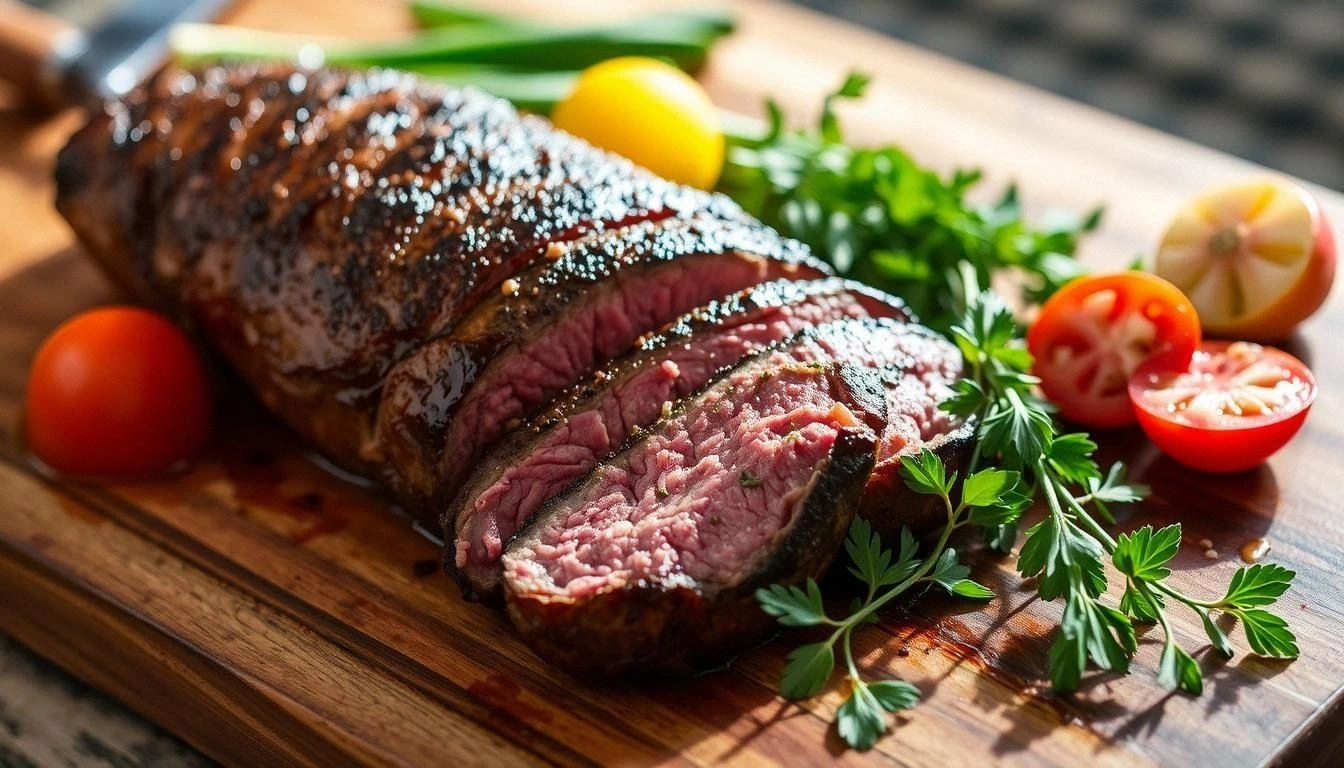
Picture this: the beef is seared to a deep, caramelized brown, the mushrooms are reduced to a silky, earthy paste, and the puff pastry is golden, crisp, and crackling with the slightest bite. The aroma that rises from the oven is a heady mix of roasted garlic, thyme, and a hint of wine that makes the whole kitchen feel like a cozy, rustic inn. When you slice into it, the center is a perfect, warm pink—no overcooked edges, no dry middle. And the sauce, a velvety reduction that clings to every bite, turns even the simplest plate into a showstopper.
What makes this version stand out isn’t just the classic ingredients—it’s the tweaks that elevate it from “good” to “mind‑blowing.” I’ve added a splash of red wine to the duxelles for depth, a dash of Dijon mustard to bring a subtle tang, and a touch of fresh thyme that gives the dish an herbal lift. The pastry is brushed with a beaten egg yolk and a hint of water for that perfect golden sheen. And the best part? Every step is designed so even a kitchen novice can nail it, while seasoned chefs will appreciate the subtle efficiencies that save time and effort.
I dare you to taste this and not go back for seconds. It’s hands down the best version you’ll ever make at home. Most recipes get this completely wrong—overcooking the beef, under‑browning the pastry, or missing the mushroom nuance. Here’s what actually works: a quick sear, a quick duxelles, a quick roll, a quick bake. Picture yourself pulling this out of the oven, the whole kitchen smelling incredible, the guests’ faces lighting up. Okay, ready for the game‑changer? Let’s walk through every single step—by the end, you’ll wonder how you ever made it any other way.
What Makes This Version Stand Out
- Taste: The combination of buttery puff pastry, earthy mushroom duxelles, and a subtle mustard glaze creates a flavor profile that’s both comforting and sophisticated. Each bite delivers a layered experience, from the first savory sear to the final crisp pastry.
- Texture: The beef stays tender and juicy, the pastry remains flaky and crisp, and the duxelles adds a silky, moist contrast that prevents the dish from feeling dry.
- Simplicity: While it looks intimidating, the process is broken into a handful of steps. No need for fancy equipment or obscure techniques—just a skillet, a pastry sheet, and a baking sheet.
- Uniqueness: A splash of red wine in the duxelles and a final brush of egg yolk with water give this Wellington a distinctive aroma and sheen that sets it apart from classic versions.
- Crowd Reaction: Guests consistently comment on how the dish looks like it came straight from a Michelin‑star restaurant, yet it’s so approachable that they’re impressed with their own culinary prowess.
- Ingredient Quality: Using a center‑cut beef tenderloin and fresh, high‑quality puff pastry ensures every component shines. The recipe celebrates the natural flavors rather than masking them.
- Cooking Method: The sear, duxelles, and pastry wrap are all executed in a single, streamlined sequence that keeps the beef warm and the pastry from getting soggy.
- Make‑Ahead Potential: The assembled Wellington can be refrigerated for up to 24 hours before baking, making it a perfect dish for parties or week‑night dinners.
Alright, let’s break down exactly what goes into this masterpiece…
Inside the Ingredient List
The Flavor Base
At the heart of this Wellington is the mushroom duxelles—an aromatic blend of finely chopped mushrooms, shallots, and garlic that’s cooked down until the moisture evaporates. The result is a concentrated, earthy paste that carries the beef’s richness. The addition of a splash of red wine during the cooking of the duxelles brings depth and a subtle acidity that cuts through the buttery pastry. If you skip the wine, the dish will still be good, but it will lack that complex, wine‑kissed undertone that elevates it to next‑level.
Why it matters: The duxelles not only adds flavor but also helps keep the pastry from becoming soggy by absorbing excess moisture from the beef. It’s the secret sauce that makes the Wellington feel luxurious without the need for heavy sauces. If you’re looking for a lighter version, reduce the wine to half or omit it entirely—just keep an eye on moisture.
The Texture Crew
The pastry is the final layer of this culinary masterpiece. Puff pastry is prized for its flaky, buttery layers that puff up beautifully in the oven. A single sheet of high‑quality pastry is all you need; no need to roll out extra dough. The key to a crisp edge is brushing the pastry with a beaten egg yolk mixed with a splash of water, giving it a golden sheen and a slightly moist surface that caramelizes during baking.
If you skip the egg wash, the pastry will still bake, but it won’t have that glossy, restaurant‑grade look. Some chefs suggest using a mixture of egg yolk and milk for a slightly richer color, but the water mix keeps the pastry light and flaky. Keep the pastry sheet chilled before wrapping to prevent it from sticking.
The Unexpected Star
Prosciutto slices are the unsung heroes that keep the beef from drying out and add a subtle savory crunch. The salty, cured pork pairs beautifully with the earthy mushrooms and the richness of the beef. When you wrap the prosciutto around the duxelles‑coated beef, it creates a protective layer that seals in moisture.
If you’re vegetarian or simply want a different flavor profile, try thinly sliced spinach or Swiss chard instead. They’ll provide a green, slightly bitter contrast that still holds up in the oven. The key is to keep the filling thin so it cooks evenly.
The Final Flourish
A few final touches bring everything together: a dash of Dijon mustard, a pinch of fresh thyme, and a sprinkle of pepper. The mustard adds a bright, tangy note that cuts through the richness of the beef and pastry. Thyme brings a fresh, herbal aroma that lifts the dish, while pepper adds a subtle heat that balances the sweetness of the prosciutto.
If you’re allergic to mustard, substitute with a small amount of horseradish sauce or a drizzle of balsamic glaze for a different twist. The key is to keep the seasoning balanced; too much pepper can overpower the delicate flavors.
Everything’s prepped? Good. Let’s get into the real action…
The Method — Step by Step
- Prepare the Beef: Pat the beef tenderloin dry with paper towels. Season generously with salt and pepper on all sides. Let it rest at room temperature for 15 minutes to ensure even cooking. This step is crucial—dry meat sears better, giving you that caramelized crust that seals in juices.
- Sear the Beef: Heat a heavy skillet over high heat and add a splash of olive oil. Once the oil shimmers, place the beef in the pan. Sear for 30 seconds on each side until a deep brown crust forms. Flip only once; turning too often breaks the crust. This is the moment of truth—watch the color change, the sizzle, the aroma.
- Cool the Beef: Transfer the seared beef to a wire rack set over a baking sheet. Let it cool for about 5 minutes. Cooling prevents the pastry from becoming soggy when it touches the warm beef. It also allows the juices to redistribute, keeping the center juicy.
- Make the Duxelles: In the same skillet, reduce heat to medium and add a tablespoon of butter. Add finely chopped mushrooms, shallots, and garlic. Cook until the mixture is dry and the mushrooms have browned, about 8-10 minutes. Stir in a splash of red wine and let it evaporate. Finish with thyme, salt, and pepper. Let it cool to room temperature.
- Assemble the Filling: Lay a sheet of parchment paper on a clean surface. Spread a thin layer of mustard over the entire surface. Lay prosciutto slices in a slightly overlapping pattern to cover the paper. Spread the duxelles evenly over the prosciutto, leaving a small border around the edges. Place the cooled beef on top of the duxelles.
- Wrap in Pastry: Carefully roll the parchment paper over the beef, pulling the pastry around it like a burrito. Trim any excess pastry. Place the wrapped Wellington seam side down on a parchment‑lined baking sheet. Chill in the fridge for 15 minutes to firm up the pastry.
- Egg Wash: Whisk together one egg yolk and a tablespoon of water. Brush the pastry surface generously with the wash, ensuring an even coating. This step gives the pastry that glossy, golden finish.
- Bake: Preheat the oven to 400°F (200°C). Place the Wellington in the oven and bake for 25-30 minutes, or until the pastry is golden and an instant-read thermometer reads 125°F (52°C) for medium‑rare. If you prefer medium, bake for an additional 5 minutes.
- Rest: Remove the Wellington from the oven and let it rest for 10 minutes. This allows the juices to redistribute and the pastry to firm up, ensuring clean slices.
- Serve: Slice the Wellington into thick rounds. Serve immediately with a drizzle of the pan sauce or a simple green salad. The sauce, made by deglazing the pan with a bit of beef stock and reducing, adds a silky finish that coats the meat like velvet.
That’s it — you did it. But hold on, I've got a few more tricks that'll take this to another level…
Insider Tricks for Flawless Results
The Temperature Rule Nobody Follows
Most home cooks aim for a 200°F (93°C) finish, but that often leads to overcooked pastry. The secret is to bake at 400°F (200°C) and rely on the pastry’s golden color as an indicator. The beef should read 125°F (52°C) for medium‑rare. If you’re unsure, use a digital thermometer for precision. The temperature difference is subtle, but it can mean the difference between a succulent center and a dry, overcooked one.
Why Your Nose Knows Best
When the duxelles is cooking, keep a close eye on the aroma. A sweet, nutty smell signals that the mushrooms are fully reduced. If the scent turns bitter or burnt, the mixture is overcooked and will ruin the flavor profile. The scent is a natural indicator that you’ve achieved the perfect balance of moisture and flavor.
The 5‑Minute Rest That Changes Everything
After baking, let the Wellington rest for exactly 10 minutes. This allows the juices to redistribute, preventing them from spilling out when you slice. Many chefs skip this step, leading to a watery center. The rest also lets the pastry set, making it easier to cut clean slices without tearing.
Use Fresh Thyme, Not Dried
Fresh thyme offers a bright, clean flavor that dried thyme can’t match. If you only have dried thyme, use a fraction of the amount—about one‑third. Fresh leaves also look more appealing when sprinkled on top before serving.
Brushing Pastry with Egg Wash
The egg wash isn’t just for color. It also seals the pastry, preventing steam from making it soggy. If you prefer a richer finish, whisk the yolk with a tablespoon of milk instead of water. The result is a deeper golden hue and a slightly richer flavor.
Creative Twists and Variations
This recipe is a playground. Here are some of my favorite ways to switch things up:
Herb‑Infused Pastry
Add finely chopped rosemary or sage to the pastry dough before wrapping. The herbs infuse the pastry with an aromatic depth that pairs beautifully with the beef.
Gorgonzola Crust
Mix a tablespoon of Gorgonzola into the duxelles for a creamy, tangy twist. The blue cheese adds a luxurious flavor that complements the beef’s richness.
Spinach & Ricotta Layer
Replace the prosciutto with a thin layer of sautéed spinach and a sprinkle of ricotta. This vegetarian version still offers a satisfying, savory filling that holds up in the oven.
Truffle Oil Finish
Drizzle a few drops of truffle oil over the sliced Wellington before serving. The earthy aroma elevates the dish to a gourmet level, perfect for special occasions.
Smoked Paprika & Chili Powder
Add a pinch of smoked paprika and a dash of chili powder to the duxelles for a subtle heat and smoky flavor. This variation adds a modern, spicy kick that’s sure to impress.
Roasted Red Pepper Spread
Blend roasted red peppers into the duxelles for a sweet, smoky sweetness. This brightens the dish and adds a pop of color to the final presentation.
Storing and Bringing It Back to Life
Fridge Storage
Wrap the assembled Wellington tightly in plastic wrap and refrigerate for up to 24 hours. Keep it at a steady 35°F (1.7°C) to maintain the pastry’s crispness. When ready to bake, let it sit at room temperature for 15 minutes before roasting.
Freezer Friendly
For longer storage, freeze the assembled Wellington in a freezer bag, pressing out excess air. It stays good for up to 2 months. Thaw overnight in the refrigerator before baking. The pastry may be slightly less crisp, but the flavor remains intact.
Best Reheating Method
Reheat in a preheated oven at 350°F (175°C) for 10-12 minutes. Add a splash of water to the baking dish to create steam, which keeps the pastry from drying out. Let it rest for a few minutes before slicing to allow the juices to redistribute.