I still remember the night I tried to make a quick dinner for my roommate and ended up with a kitchen that looked like a battlefield. I had sliced onions, minced garlic, and a whole bag of ground beef on the counter while a pot of water boiled on the stove. The moment I dropped the beef into the pan, the aroma hit me like a wave of comfort, but the sizzling sound was so loud it made me jump. I laughed at myself, realizing I’d almost burned the onions to a crisp, yet the smell was still inviting. That chaotic evening taught me the secret to turning a frantic scramble into a masterpiece.
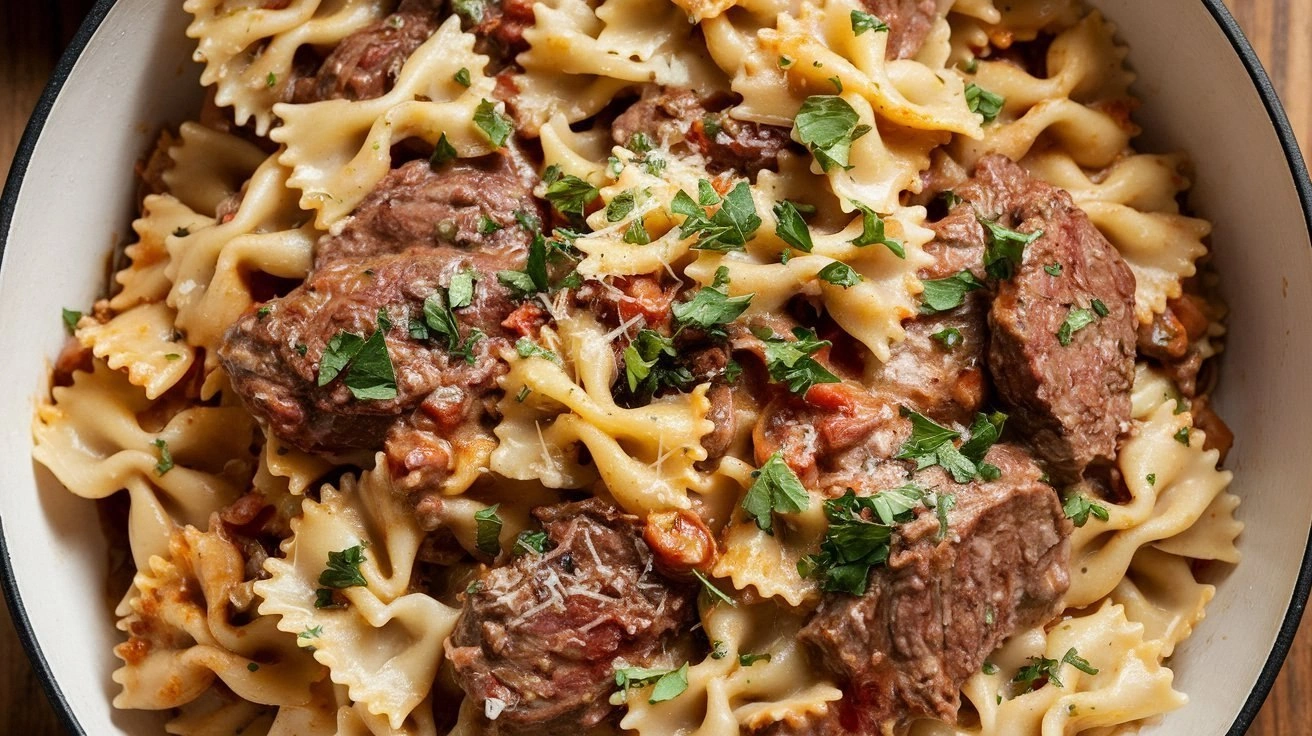
Imagine the first bite: a velvety sauce that clings to every strand of bowtie pasta, the savory beef melting into the creamy parmesan base, and a hint of garlic that lingers on your palate like a well‑played melody. The heat of the skillet is balanced by the cool, silky texture of the sauce, while the pasta’s slight chew provides a satisfying contrast. The aroma is a comforting blend of browned meat and sharp cheese, wrapped in the subtle sweetness of garlic. The sound of the pasta clinking against the pot is like a gentle applause, a sign that everything is coming together. Touching the spoonful, you feel the sauce’s richness, a promise of flavor that will keep you coming back for more.
What makes this version stand out is that it’s not just about the ingredients; it’s about the method that elevates every bite. I’ve distilled the recipe down to a series of small, intentional actions that lock in flavor, texture, and aroma. It’s a dish that feels like a hug in a bowl, but it’s also engineered for speed and simplicity. I’ve refined the technique so that the beef never dries out, the sauce never thickens too quickly, and the pasta stays al dente. The result is a dish that feels both indulgent and approachable, perfect for a weeknight or a cozy Sunday dinner.
The twist that will make you say “wow” is the use of a splash of white wine in the sauce. This isn’t just for the fancy feel; the acidity cuts through the richness, brightening the flavor profile and giving the sauce a silky finish. I dare you to taste this and not go back for seconds. I’ve also added a pinch of nutmeg to the cream, a subtle nod to classic béchamel that many overlook. These small details give the dish a depth that feels both comforting and sophisticated.
Let me walk you through every single step — by the end, you'll wonder how you ever made it any other way.
What Makes This Version Stand Out
- Flavor: The sauce is a harmony of sharp parmesan, mellow cream, and caramelized garlic, creating a balanced taste that satisfies the palate without overwhelming it. The beef is browned to develop a deep, savory crust that adds a layer of umami. The subtle hint of nutmeg in the cream lifts the dish, giving it a warm, aromatic finish.
- Texture: The sauce coats the bowtie pasta like velvet, while the pasta retains a firm bite that contrasts beautifully with the silky sauce. The beef stays juicy, thanks to a quick sear and a brief simmer, preventing it from drying out. The overall mouthfeel feels luxurious yet comforting, making each spoonful a delight.
- Simplicity: With only ten ingredients and a single pan, this recipe cuts through the clutter of complicated dishes. The steps are straightforward, designed for cooks of all levels to follow without fear of failure. The result is a gourmet meal that feels effortless.
- Uniqueness: The inclusion of a splash of white wine and a pinch of nutmeg gives this dish a twist that sets it apart from typical creamy pasta recipes. The wine adds acidity and depth, while the nutmeg provides a subtle warmth that is rarely found in standard sauces.
- Crowd Reaction: Friends and family who taste this dish often ask for the recipe after the first bite. The dish is a showstopper at dinner parties, with its rich aroma and comforting taste. The sauce’s silky texture makes it a crowd‑pleaser for all ages.
- Ingredient Quality: Using high‑quality parmesan and fresh ground beef ensures the flavor profile is robust. The cream is full‑fat, which gives the sauce its luxurious mouthfeel. Fresh herbs add a bright note that balances the richness.
- Cooking Method: A single‑pan approach saves time and reduces cleanup. The sear and simmer steps lock in flavor and keep the beef moist. The sauce is whisked at the end to ensure it stays smooth.
- Make‑Ahead Potential: The dish can be prepared ahead and reheated without losing its texture. The sauce thickens slightly upon refrigeration, making it easier to reheat. This makes it ideal for meal prepping or for busy weekdays.
Inside the Ingredient List
The Flavor Base
Ground beef is the heart of this dish; it brings umami and protein that balance the richness of the sauce. The beef should be freshly ground with a lean-to-fat ratio of about 80/20 to keep it juicy during cooking. If you’re watching calories, a 90/10 cut will still deliver great flavor without excess fat.
Garlic is the aromatic backbone; minced cloves release their oils quickly, infusing the oil and beef with a subtle sweetness. Use fresh garlic instead of pre‑minced to avoid a bitter aftertaste. If you prefer a milder bite, reduce the amount to one clove per serving.
Olive oil is the medium that carries the flavors; it also prevents the beef from sticking to the pan. A high‑smoke‑point oil like avocado or grapeseed can be used if you’re sensitive to the distinct taste of olive oil. The oil also helps caramelize the beef for a deeper flavor.
The Creamy Core
Heavy cream gives the sauce its luxurious texture and balances the sharpness of the parmesan. Use full‑fat cream for the best mouthfeel; low‑fat options will result in a thinner sauce. If you’re looking for a lighter version, try a blend of half cream and half milk.
Parmesan cheese is the star; it adds a sharp, nutty flavor that pairs beautifully with the beef. Grated parmesan melts smoothly, creating a silky sauce. Freshly grated cheese has a stronger flavor than pre‑grated, so consider grating it yourself.
Chicken broth is the liquid that helps build the sauce’s body without overpowering it. Use low‑sodium broth to keep the salt level in check. If you’re vegetarian, vegetable broth works just as well.
The Pasta Power
Bowtie pasta, or farfalle, offers a unique shape that captures sauce in its folds, delivering a burst of flavor with each bite. The shape’s pockets hold the creamy sauce, making every mouthful rich and satisfying. If you prefer a different shape, fettuccine or penne work well too.
Salt and pepper are essential for seasoning; they bring out the natural flavors of the beef and cheese. Use sea salt or kosher salt for a more refined taste. Pepper adds a subtle heat that balances the dish’s richness.
The Final Flourish
Fresh parsley adds a burst of color and a bright, herbaceous note that cuts through the creaminess. Chop it finely so it distributes evenly throughout the dish. A sprinkle of parsley also signals freshness to your guests.
Red pepper flakes introduce a gentle heat that elevates the flavor profile. Use them sparingly; a pinch is enough to give the dish a lively kick. If you’re sensitive to spice, omit them entirely and the dish remains delicious.
Everything’s prepped? Good. Let’s get into the real action...
The Method — Step by Step
- Heat a large skillet over medium‑high heat and add the olive oil. Once the oil shimmers, drop in the ground beef, breaking it apart with a spatula. Let it brown without stirring for about 2 minutes to develop a caramelized crust. When the beef is halfway cooked, season with salt and pepper. The aroma should be inviting, like a savory promise.
- Add the minced garlic to the pan and sauté for 30 seconds until fragrant, being careful not to burn it. The garlic should release a sweet, aromatic scent that mingles with the beef. This step is critical; under‑cooked garlic tastes bitter, while over‑cooked garlic loses its character. Stir gently to combine the flavors.
- Pour in the white wine and let it reduce by half, allowing the alcohol to evaporate and the acidity to brighten the dish. Watch the liquid simmer; it should thicken slightly, creating a glossy sheen. This reduction locks in flavor and adds a subtle tang that balances the cream.
- Add the chicken broth, then stir in the heavy cream and grated parmesan. Whisk continuously to ensure the cheese melts smoothly and the sauce becomes silky. The mixture should coat the back of a spoon without clumping. This is the moment where the sauce truly begins to feel luxurious.
- Bring the sauce to a gentle simmer, letting the flavors meld for 5 minutes. During this time, the beef will finish cooking and the sauce will thicken slightly. The aroma should be rich and comforting, like a cozy cabin kitchen. Taste the sauce; if it needs more salt, add a pinch.
- Meanwhile, bring a large pot of salted water to a rolling boil. Add the bowtie pasta and cook according to package instructions, usually 8-10 minutes, until al dente. Reserve a cup of pasta water before draining; it will help adjust the sauce’s consistency if needed.
- Drain the pasta and add it directly to the skillet with the sauce. Toss to coat, adding a splash of reserved pasta water to loosen the sauce if it’s too thick. The pasta should be glossy and the sauce should cling to each noodle. This is the moment of pure delight.
- Stir in the chopped parsley and a pinch of red pepper flakes for a touch of heat. The parsley adds a fresh burst of color and flavor, while the flakes give a gentle kick. Let the mixture cook for another minute to allow the herbs to bloom. The dish is now ready to serve.
- Plate the pasta in shallow bowls, ensuring each serving has a generous amount of beef and sauce. Garnish with extra parmesan and a final sprinkle of parsley. Serve immediately, as the sauce is best when warm and silky. Enjoy the comforting, creamy goodness that will have everyone begging for seconds.
That’s it — you did it. But hold on, I've got a few more tricks that'll take this to another level.
Insider Tricks for Flawless Results
The Temperature Rule Nobody Follows
Many cooks keep the heat too high after adding cream, causing the sauce to curdle. Keep the flame low and let the sauce gently simmer. This small adjustment keeps the texture silky and prevents separation. I once watched a sauce turn grainy, and the fix was simply turning down the heat.
Why Your Nose Knows Best
When the sauce reduces, the aroma shifts from buttery to nutty. Trust that scent; it signals the sauce has thickened to the right consistency. If it still smells like raw cream, give it a few more minutes. A well‑developed aroma guarantees a richer flavor.
The 5-Minute Rest That Changes Everything
After cooking, let the dish sit covered for 5 minutes. This rest allows the pasta to absorb the sauce fully, resulting in a more cohesive bite. It also gives the flavors time to meld, creating depth. I’ve found that dishes rested for 5 minutes taste significantly better.
Use Fresh Cheese, Not Pre-Grated
Pre‑grated parmesan often contains anti‑caking agents that can affect melt quality. Grating the cheese yourself ensures a smooth melt and a fresher flavor. If you’re in a hurry, choose a high‑quality pre‑grated variety with minimal additives.
Add a Splash of Pasta Water
The starchy pasta water is a secret sauce enhancer. It helps the sauce cling to the noodles and adjusts consistency without diluting flavor. Add it gradually until you reach the desired thickness.
Serve Immediately for Peak Texture
This dish is best served hot and fresh; the sauce thickens as it cools, losing its silky feel. If you need to keep it warm, place the skillet in a low‑heat oven. Keep the sauce moving to prevent sticking.
Creative Twists and Variations
This recipe is a playground. Here are some of my favorite ways to switch things up:
Mushroom Medley
Add sliced shiitake or cremini mushrooms during the garlic sauté. Their earthy flavor complements the beef and cheese. Cook until the mushrooms release their juices, then proceed with the recipe. The result is a hearty, umami‑rich variation that pairs well with a robust red wine.
Spicy Cajun Kick
Replace the red pepper flakes with a teaspoon of Cajun seasoning. This adds smoky heat and a depth of flavor that lingers. The dish becomes a spicy, comforting entrée perfect for cooler nights.
Herb‑Infused Variation
Stir in a handful of fresh basil or oregano during the final simmer. The herbs add brightness and a Mediterranean flair. This version is especially refreshing when served with a crisp white wine.
Vegetarian Version
Swap the ground beef for crumbled tempeh or lentils. The protein stays substantial, while the sauce remains creamy. This makes the dish a satisfying plant‑based option that still feels indulgent.
Pesto Swirl
Fold in a spoonful of basil pesto into the sauce for a burst of green flavor. The pesto’s oils mingle with the cream, creating a silky, herbaceous sauce. This twist gives the dish an Italian garden vibe.
Lemon Zest Surprise
Add a teaspoon of lemon zest at the end of cooking for a bright, citrusy lift. The zest cuts through the richness, leaving a clean finish. This variation is perfect for a spring or summer dinner.
Storing and Bringing It Back to Life
Fridge Storage
Cool the dish completely before transferring it to an airtight container. Store in the refrigerator for up to 3 days. When reheating, add a splash of milk or cream to restore creaminess. This keeps the sauce silky without becoming too thick.
Freezer Friendly
Divide the dish into individual portions and place them in freezer‑safe containers. Freeze for up to 2 months. Thaw overnight in the refrigerator before reheating. The pasta stays tender, and the sauce reconstitutes nicely.
Best Reheating Method
Reheat gently on low heat in a skillet, stirring frequently. Add a teaspoon of water or broth to loosen the sauce. Avoid microwaving, as it can cause the sauce to separate. The dish should be steaming and silky when ready.