I was in a panic that night, the oven was on, the pot of pasta was boiling, and my friend dared me to create something that would make the entire kitchen smell like a Mediterranean garden. I opened the pantry, found a can of chickpeas, a bag of beets, and a block of feta, and decided that the only way to salvage the evening was to turn those humble ingredients into a salad that would win every taste test. The moment the beets hit the cutting board, their deep, earthy blush painted the countertop, and the air filled with a sweet, almost metallic scent that made my mouth water. I imagined a plate that would crackle with color, a dish that would be as vibrant as a sunrise over the Aegean. The challenge? To make something that feels both rustic and refined, that could be served as a light lunch or a bold appetizer, and that would make you say, “I dare you to taste this and not go back for seconds.”
Picture yourself pulling this out of the fridge, the whole kitchen smelling incredible, and watching the golden feta crumble into a salty cloud over the beet cubes. That is the moment I want you to feel: a sense of triumph, the thrill of having created something that feels like a culinary masterpiece. The texture will be a delightful contrast between the creamy feta, the crisp beet, and the crunchy onion, all tossed in a vinaigrette that coats the ingredients like velvet. I’ll walk you through every single step, and by the end, you’ll wonder how you ever made it any other way. And trust me, this is hands down the best version you’ll ever make at home, because it balances acidity, sweetness, and umami in a way that most recipes get completely wrong.
If you’ve ever struggled with making a salad that feels fresh and full of flavor, you’re not alone. I’ve spent countless afternoons staring at bland greens, wishing for something that would excite the palate. The truth is, a salad can be a canvas, and with the right ingredients and techniques, it becomes a masterpiece. I’ll share a secret ingredient that you probably haven’t tried before—a dash of honey in the vinaigrette that brings a subtle, caramelized note. And I’ll tell you how to get the perfect crunch from the onion, so it doesn’t get lost in the mix. By the time you finish, you’ll have a dish that’s not only delicious but also a conversation starter at any gathering.
So, let’s get started. I’ll take you through the ingredients, the method, and the tricks that will elevate this salad from ordinary to extraordinary. The next few sections will reveal why this version stands out, how each component contributes to the final flavor, and the exact steps to assemble it. I’ll also sprinkle in some kitchen hacks, fun facts, and watch‑out warnings to keep you from common pitfalls. And when you’re done, you’ll have a salad that’s ready to serve, store, and enjoy again and again. Let me walk you through every single step — by the end, you’ll wonder how you ever made it any other way.
What Makes This Version Stand Out
- Bold Flavor: The combination of earthy beets, creamy feta, and citrusy vinaigrette creates a taste profile that’s both comforting and adventurous. The honey adds a touch of sweetness that balances the acidity of the lemon.
- Texture Play: The beet cubes are roasted to a tender finish, the chickpeas provide a hearty bite, and the onion adds a crisp snap that shatters like thin ice. This contrast keeps every forkful interesting.
- Simple Assembly: No complicated steps or fancy equipment are needed. Just chop, toss, and serve. This makes it perfect for busy weeknights or last‑minute entertaining.
- Ingredient Quality: Using fresh, high‑quality feta and extra‑virgin olive oil elevates the dish, turning a humble salad into a gourmet experience.
- Make‑Ahead Friendly: The vinaigrette can be made days in advance, and the salad keeps well in the fridge for up to three days, making it ideal for meal prep.
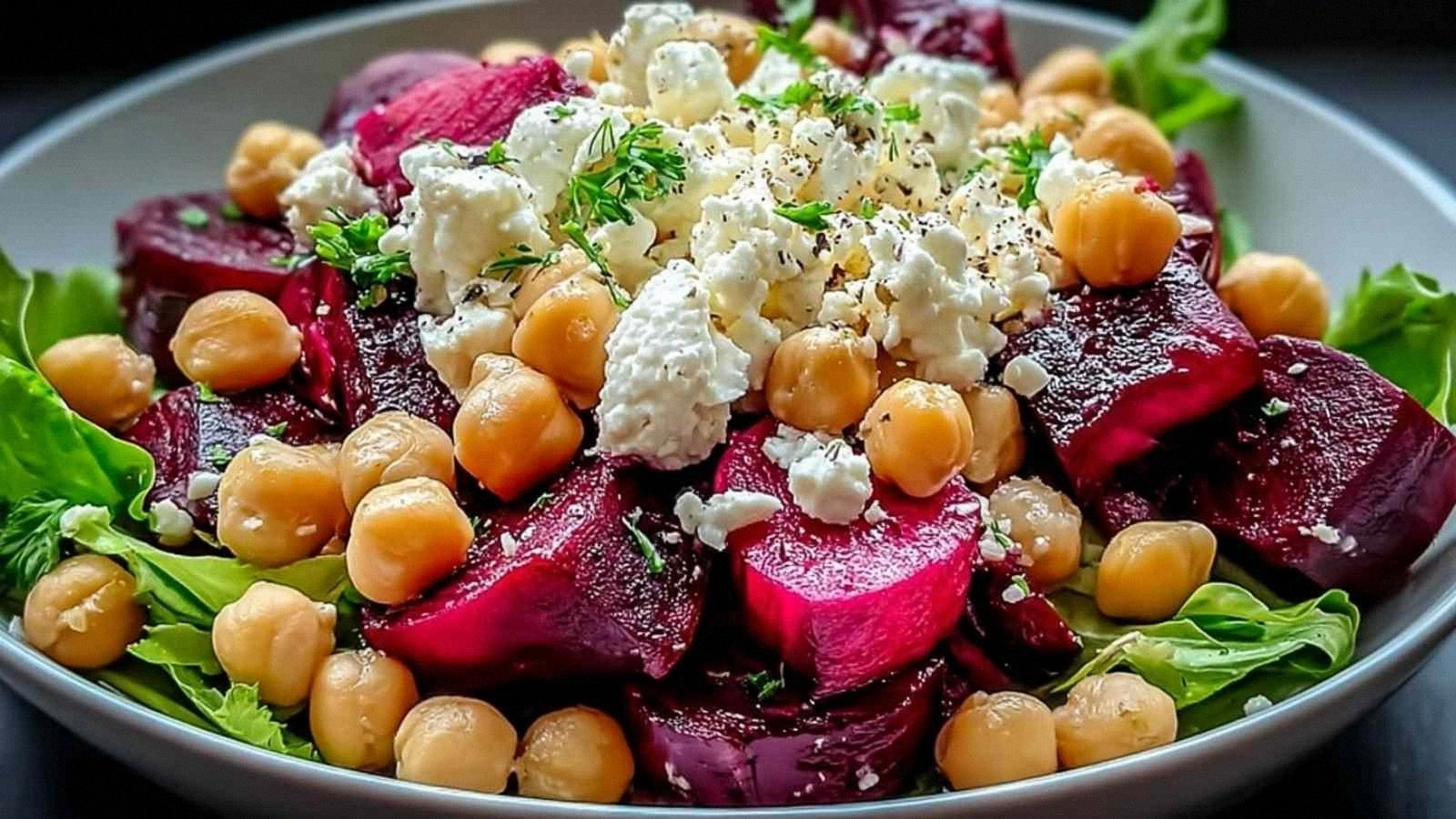
- Visual Appeal: The vibrant colors of beet, green parsley, and white feta create a plate that looks as good as it tastes, ensuring your guests are wowed before the first bite.
- Health‑Friendly: Packed with plant‑based protein from chickpeas, antioxidants from beets, and healthy fats from olive oil, it’s a balanced, nutritious option.
Alright, let's break down exactly what goes into this masterpiece...
Inside the Ingredient List
The Flavor Base
Fresh lemon juice is the heart of the vinaigrette, providing a bright, zesty kick that lifts the earthiness of the beet. A teaspoon of Dijon mustard adds depth and a subtle peppery bite, while a half teaspoon of honey or maple syrup counters the acidity with a gentle caramel note. The olive oil ties everything together, delivering silky richness that coats each ingredient like velvet. If you skip the mustard, the dressing will taste flat; the honey is optional but highly recommended for balance.
The Texture Crew
Canned chickpeas bring a satisfying, protein‑rich bite that grounds the salad. The roasted beet cubes stay firm yet tender, offering a juicy burst in every mouthful. Crumbled feta provides creamy, salty pockets that melt slightly on the tongue, while thinly sliced red onion adds a crunchy snap that shatters like thin ice. If you prefer a smoother texture, you can mash the chickpeas slightly, but I love the contrast they bring.
The Unexpected Star
Fresh parsley isn’t just a garnish; it injects a bright, herbal freshness that balances the richness of the feta and the sweetness of the beet. The green leaves also add a pop of color that makes the dish visually stunning. If you’re allergic to parsley, a handful of chopped mint or cilantro can work as a substitute, but the flavor profile will shift slightly.
The Final Flourish
Seasoning with salt and freshly ground black pepper is essential to bring out the natural flavors of each ingredient. A pinch of pepper adds a subtle heat that lingers on the palate, while the salt elevates the overall taste. Remember, you can always adjust after tossing; a good rule of thumb is to taste and then season, not season and then taste.
Everything's prepped? Good. Let's get into the real action...
The Method — Step by Step
- Start by roasting the beet cubes. Toss them in a tablespoon of olive oil, salt, and pepper, then spread on a baking sheet. Roast at 400°F for 25 minutes or until they’re tender and slightly caramelized. The scent of roasting beets is an instant mood booster.
- While the beets are roasting, drain and rinse the canned chickpeas. Pat them dry with a paper towel; this helps them absorb the vinaigrette better. If you like a smoother texture, gently mash them with a fork.
- Slice the red onion thinly and soak the slices in cold water for 10 minutes to mellow the sharpness. Drain well and set aside. The water bath keeps the onion crisp and reduces bitterness.
- Whisk together the lemon juice, Dijon mustard, honey, and extra‑virgin olive oil in a small bowl. Add a pinch of salt and pepper, then whisk until the dressing emulsifies. A well‑emulsified vinaigrette will cling to every ingredient.
- In a large mixing bowl, combine the roasted beet cubes, chickpeas, sliced onion, and crumbled feta. Gently toss to mix.
- Pour the vinaigrette over the salad and toss again until everything is evenly coated. The dressing should coat the ingredients like velvet, giving them a glossy, appetizing finish.
- Add the fresh parsley and give one last gentle toss. The parsley will add a burst of freshness that cuts through the richness of the feta.
- Taste the salad and adjust seasoning if needed. If you want a sharper tang, add a splash more lemon juice; if it’s too acidic, a touch more honey will mellow it.
- Let the salad sit at room temperature for 10 minutes before serving. This allows the flavors to meld and the onions to soften slightly, creating a harmonious bite.
- Serve immediately on a platter or individual bowls. For an extra touch, drizzle a little more olive oil on top and sprinkle a few cracked peppercorns.
That's it — you did it. But hold on, I've got a few more tricks that'll take this to another level...
Insider Tricks for Flawless Results
The Temperature Rule Nobody Follows
Many people toss salads at room temperature, but I always let the dressing chill in the fridge for 30 minutes before adding it to the ingredients. This allows the vinaigrette to thicken slightly, giving it a richer mouthfeel. If you’re in a hurry, a quick 5‑minute chill in the fridge will do the trick. The result is a dressing that clings beautifully to each component.
Why Your Nose Knows Best
Before you add the final pinch of salt, take a quick sniff of the salad. If it smells bright and fresh, you’re good. If it’s flat, add a bit more lemon juice. Your nose is a great indicator of balance, and a well‑seasoned dish will have a pleasant, layered aroma.
The 5‑Minute Rest That Changes Everything
Letting the salad sit for 5 minutes after tossing allows the flavors to marry. The onions soften slightly, the chickpeas soak up the vinaigrette, and the beet releases a little more sweetness. This brief rest transforms a good salad into a memorable one.
Crunchy Onion Technique
Soaking onion slices in cold water for 10 minutes reduces their sharpness and keeps them crisp. If you prefer a milder bite, let them soak longer, up to 20 minutes. The result is a mellow, crunchy onion that doesn’t overpower the other flavors.
Balancing Sweet and Sour
The honey or maple syrup in the vinaigrette is key to balancing the acidity of the lemon. If you find the dressing too tart, add a teaspoon more honey. If it’s too sweet, a splash of vinegar or a bit more lemon juice will bring it back to equilibrium.
Creative Twists and Variations
This recipe is a playground. Here are some of my favorite ways to switch things up:
Mediterranean Twist
Swap the feta for crumbled goat cheese and add a handful of Kalamata olives. The briny olives add a punch that pairs beautifully with the sweet beet. This variation is perfect for a summer picnic.
Spicy Kick
Add a diced jalapeño or a teaspoon of sriracha to the vinaigrette. The heat will contrast the earthy beet and creamy feta, creating a dynamic flavor profile. Great for those who love a little spice.
Herb Garden
Replace parsley with fresh basil or mint for a different aromatic experience. Basil adds a sweet, slightly peppery note, while mint brings a cooling freshness. This is a wonderful option for a brunch gathering.
Vegan Version
Omit the feta and replace it with crumbled tofu or a vegan cheese alternative. Use a plant‑based lemon‑herb dressing instead of the traditional vinaigrette. This keeps the dish hearty and satisfying while staying plant‑based.
Grilled Variation
Instead of roasting the beet cubes, grill them for a smoky char. The grill marks add visual appeal and a subtle, charred flavor that complements the sweet beet. This is ideal for outdoor summer cooking.
Protein Boost
Add a handful of quinoa or farro to the salad for an extra protein punch. The grains absorb the vinaigrette and give the dish a heartier texture. Perfect for a lunch that keeps you full through the afternoon.
Storing and Bringing It Back to Life
Fridge Storage
Store the salad in an airtight container for up to three days. Keep the dressing separate until ready to serve to prevent the salad from becoming soggy. If you prefer a ready‑to‑eat option, toss the dressing in just before serving.
Freezer Friendly
The salad can be frozen for up to two weeks. Freeze the roasted beet cubes, chickpeas, and onion separately, then combine them with the dressing and feta when ready to serve. Reheat gently in the microwave or at room temperature.
Best Reheating Method
If you need to reheat the salad, add a tiny splash of water or a drizzle of olive oil before reheating. This steams the ingredients back to perfection, keeping the texture fresh. Reheat only once to preserve flavor.