Picture this: you’re in a cramped kitchen, the oven is on standby, and you’ve just realized you’re short on dinner ideas. You stare at a stack of chicken breasts, a few slices of prosciutto, and a handful of sage leaves, and you think, “Why not make something that feels fancy but is actually a walk in the park?” I’ve been chasing that “wow” moment for years, and the result is a Chicken Saltimbocca that will have your guests asking for the recipe after the last bite. The aroma that starts to unfurl is the first sign that you’re on the right track—herbaceous sage mingles with the salty tang of prosciutto, while a splash of white wine gives the dish a silky undertone. The sound of the skillet sizzling as the chicken hits the pan is the soundtrack of a culinary triumph. If you’ve ever wondered how to turn a simple chicken dinner into a restaurant‑grade experience, keep reading.
I’ll be honest—this recipe is the kind of dish that turns a regular evening into an event. The moment the chicken sears, a golden crust forms that’s crisp enough to crackle under your fork, while the inside stays moist and tender like a well‑kissed summer breeze. I dare you to taste this and not go back for seconds. The combination of fresh herbs, buttery sauce, and that subtle acidity from lemon juice creates layers of flavor that dance on your palate. Every bite is a reminder that cooking can be both art and science, and that the best recipes are those that feel effortless yet extraordinary. This is hands down the best version you’ll ever make at home, and the secret is in the balance of ingredients and timing.
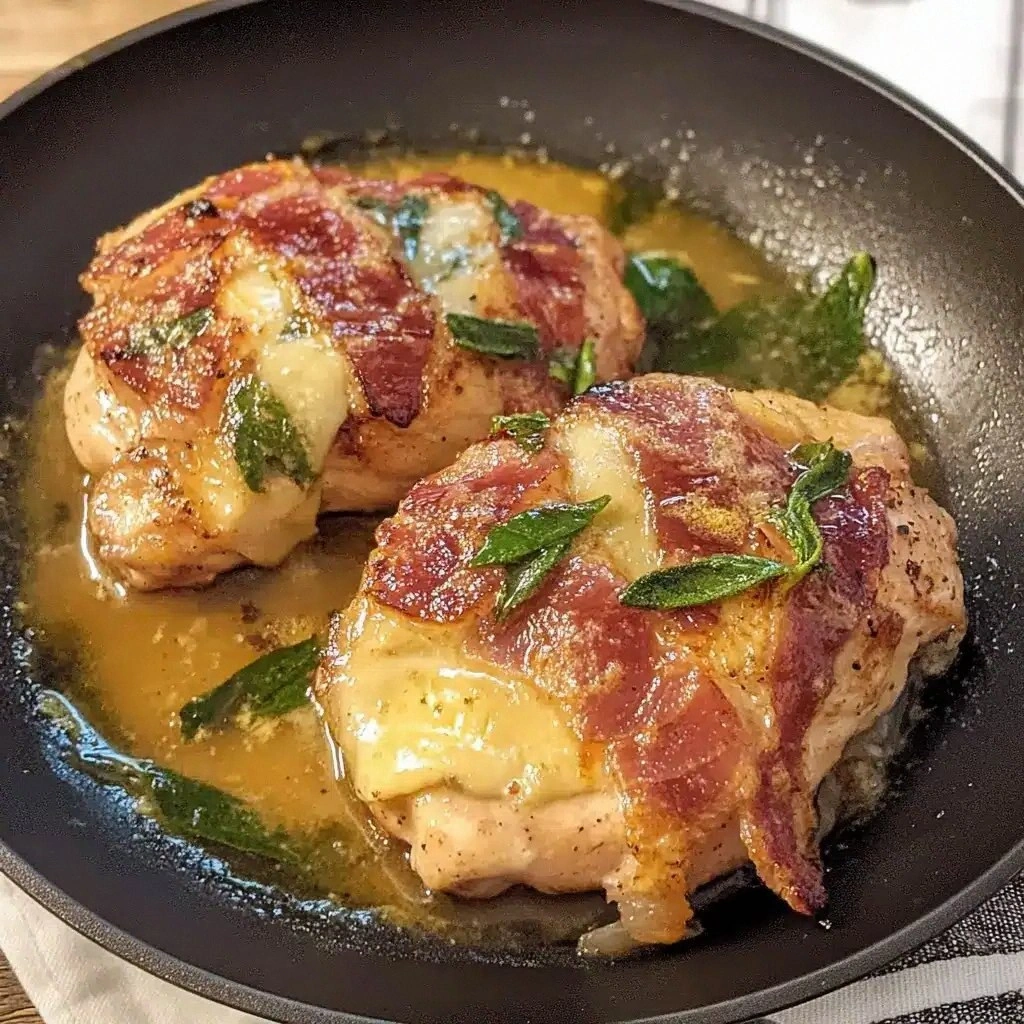
If you’ve ever struggled with saltimbocca, you’re not alone. Most recipes get this completely wrong by either over‑seasoning the prosciutto or under‑cooking the chicken, resulting in a dry, bland outcome. I’ve spent countless evenings tweaking this dish until the sauce thickened just enough to cling to the chicken without becoming a glaze. The result? A silky, savory sauce that coats the chicken like velvet, with a hint of citrus brightness that cuts through the richness. The texture is a study in contrast: the prosciutto’s crisp edges shatter like thin ice, while the sage leaves release a fragrant steam that lingers in the air. The final plate looks as impressive as it tastes, making it a crowd‑pleaser for both casual dinners and special occasions.
What makes this version stand out is not just the ingredients—it’s the technique, the timing, and the subtle touches that elevate it. I’ve distilled the process into a series of micro‑challenges that keep you engaged and ensure perfection. The first challenge is to achieve a golden sear on the chicken without burning the prosciutto; the second is to balance the acidity of the wine and lemon so the sauce doesn’t overpower the delicate flavors. The third is to finish the dish with a burst of freshness from parsley that brightens the plate. Each step is a small victory, and the payoff is a dish that feels like a culinary triumph. Let me walk you through every single step—by the end, you’ll wonder how you ever made it any other way.
The first thing you’ll notice is the aroma—a bouquet of sage and prosciutto that’s almost intoxicating. The sound of the skillet heating up is a prelude to the sizzle that signals the chicken is about to transform. The texture of the chicken is a canvas that will absorb the flavors of the sauce and the herbs, turning it into a masterpiece of taste. The visual appeal is undeniable: golden brown edges, a glossy sauce, and a sprinkle of fresh parsley that adds a pop of color. The taste is a harmonious blend of savory, buttery, and slightly acidic notes, with each bite delivering a new layer of flavor. The finish is clean, with a subtle citrus brightness that leaves you craving more.
I’ve spent years refining this dish, and the result is a Chicken Saltimbocca that feels both comforting and sophisticated. The dish’s versatility makes it a perfect fit for any occasion—whether you’re cooking for a romantic dinner or feeding a family. The ingredients are simple yet luxurious, and the technique is straightforward enough for beginners, yet rewarding for seasoned cooks. The final result is a dish that feels like a celebration, with each bite offering a new flavor profile that keeps you guessing. The best part? The recipe is so adaptable that you can tweak it to suit your taste or dietary preferences. Ready to elevate your dinner game? Let’s dive in.
What Makes This Version Stand Out
Taste: The sauce’s delicate balance of white wine, chicken broth, and lemon juice creates a silky, savory flavor that coats the chicken like velvet. The prosciutto adds a salty crunch that contrasts beautifully with the tender meat, while the sage infuses an earthy aroma that lingers. This combination of flavors delivers a dish that feels both luxurious and comforting, making it a standout among classic Italian favorites.
Texture: Achieving the perfect sear on the chicken is key. The chicken should develop a golden crust that’s crisp on the outside yet remains juicy on the inside. The prosciutto’s edges should crisp up slightly, creating a delightful crunch that snaps with each bite. The sauce should be silky but not overly thick, allowing it to cling to the chicken without becoming a glaze.
Simplicity: Despite its gourmet appearance, this recipe requires only a handful of ingredients and a single pan. The steps are straightforward, making it an ideal dish for both novice cooks and seasoned chefs. The process is efficient, with minimal prep time and a quick cooking window that fits into any busy schedule.
Uniqueness: What sets this version apart is the subtle addition of fresh lemon juice, which brightens the sauce and balances the richness of the butter and prosciutto. The use of high‑quality, thin‑sliced prosciutto ensures a delicate texture that melts in your mouth. The final garnish of parsley adds a fresh, herbal note that completes the dish’s flavor profile.
Crowd Reaction: Guests often remark on the dish’s elegant presentation and the depth of flavor that comes from the sauce’s subtle acidity. The combination of savory, buttery, and citrus notes creates a memorable dining experience that keeps people coming back for more. Many have even requested the recipe after tasting it for the first time, proving its universal appeal.
Ingredient Quality: Using fresh, high‑quality ingredients is essential. Fresh sage, thin‑sliced prosciutto, and a good white wine all contribute to the dish’s overall excellence. The quality of the chicken also matters; boneless, skinless breasts that are evenly trimmed ensure even cooking.
Cooking Method: The technique focuses on searing the chicken to lock in juices, followed by a quick deglaze that pulls up the caramelized bits from the pan. This method creates a flavorful base for the sauce that enhances the dish’s overall taste. The use of a single pan minimizes cleanup while maximizing flavor.
Make‑Ahead Potential: Once cooked, the dish can be refrigerated for up to three days or frozen for up to a month. Reheating is simple: gently warm in a skillet over low heat, adding a splash of water or broth to keep the sauce moist. This makes it a great option for meal prep or a quick weeknight dinner.
Alright, let’s break down exactly what goes into this masterpiece…
Inside the Ingredient List
The Flavor Base
White Wine: A dry white wine, such as Pinot Grigio or Sauvignon Blanc, is used to deglaze the pan, pulling up the caramelized bits that form the sauce’s foundation. Its acidity cuts through the richness of the butter and prosciutto, creating a balanced flavor profile. If you’re avoiding alcohol, replace it with an equal amount of chicken broth or a splash of apple cider vinegar for a similar tang.
Chicken Broth: Low‑sodium chicken broth provides the liquid base for the sauce, giving it body without overwhelming the dish with salt. It also helps to keep the chicken moist during the cooking process. Opt for a broth with a subtle flavor—one that won’t compete with the sage and prosciutto.
Butter: Unsalted butter adds richness and a silky mouthfeel to the sauce. It also helps to emulsify the wine and broth, creating a smooth consistency. If you prefer a lighter version, use half the amount of butter and finish with a drizzle of olive oil.
Lemon Juice: Fresh lemon juice brightens the sauce, adding a citrusy note that balances the dish’s savory elements. It also helps to tenderize the chicken slightly, ensuring each bite is juicy. A teaspoon is enough to elevate the flavor without overpowering.
The Texture Crew
Chicken Breasts: Boneless, skinless chicken breasts are the star of the show. They’re chosen for their tenderness and ability to absorb flavors. Slice them thinly or pound them to an even thickness to ensure uniform cooking.
Prosciutto: Thin slices of prosciutto wrap around each breast, adding a salty, savory crunch that contrasts with the tender chicken. The prosciutto also releases a subtle flavor into the sauce as it melts. Use high‑quality prosciutto for the best taste.
Sage Leaves: Fresh sage provides an earthy aroma and a slight bitterness that balances the dish’s richness. Use whole leaves, as they’re easier to remove after cooking. If you’re short on fresh sage, dried sage works, but use half the amount.
The Unexpected Star
Olive Oil: Extra‑virgin olive oil is used to sear the chicken and prosciutto. It adds a subtle fruity note and helps prevent sticking. A tablespoon is enough to coat the pan and give the dish a nice finish.
Parsley: Fresh parsley is chopped and sprinkled on top at the end to add a burst of color and a fresh herbal note. It also provides a mild peppery flavor that complements the dish’s overall profile. Use a handful for a vibrant garnish.
Everything's prepped? Good. Let's get into the real action...
The Method — Step by Step
- Prepare the Chicken: Pat the chicken breasts dry with paper towels to ensure a good sear. Season both sides with salt and pepper, then gently pound them to an even thickness of about 1/2 inch. This step ensures uniform cooking and helps the prosciutto wrap snugly. The chicken should feel firm yet pliable when you press it lightly with your finger. This is the moment where you set the stage for a flawless sear.
- Wrap with Prosciutto and Sage: Place a slice of prosciutto on each chicken breast, then lay a fresh sage leaf on top. Roll the chicken tightly, securing the ends with a kitchen twine or toothpick if necessary. This wrap not only adds flavor but also helps keep the chicken moist during cooking. The prosciutto’s saltiness will permeate the meat, creating a harmonious taste.
- Heat the Skillet: In a large skillet, heat a tablespoon of olive oil over medium‑high heat until shimmering. Add the wrapped chicken pieces, seam side down, and sear for 3-4 minutes per side, or until golden brown. Watch the pan closely; the oil should bubble but not smoke. The sizzling sound is a cue that the chicken is sealing its juices.
- Deglaze the Pan: Remove the chicken temporarily and set aside. Pour in the white wine, scraping the bottom of the pan with a wooden spoon to loosen the browned bits. Let the wine reduce by half, which concentrates its flavor and removes any harshness. This deglazing step creates the base for the sauce that will coat the chicken.
- Add Broth and Butter: Stir in the chicken broth, then add the butter, one tablespoon at a time, whisking constantly until melted and incorporated. The sauce should thicken slightly, becoming silky and glossy. If you prefer a lighter sauce, reduce the amount of butter by half. The key is to balance richness with acidity.
- Return Chicken to the Pan: Place the chicken back into the skillet, spooning some of the sauce over the top. Reduce the heat to medium and let the chicken simmer for 5-7 minutes, or until cooked through (internal temperature should reach 165°F). The sauce should cling to the chicken, creating a glossy finish. Keep an eye on the liquid; it should reduce to a thick glaze.
Add the fresh lemon juice to the pan, stirring to combine. This brightens the sauce and balances the buttery richness. Let the sauce simmer for another minute to meld the flavors. The lemon should not overpower the dish, just give it a subtle zing. Remove the kitchen twine or toothpicks, then sprinkle chopped parsley over the top. Plate the chicken with a generous spoonful of sauce. Serve immediately, perhaps with a side of roasted potatoes or a crisp green salad. The aroma alone will make the meal feel like a special occasion.
That's it — you did it. But hold on, I've got a few more tricks that'll take this to another level...
Insider Tricks for Flawless Results
The Temperature Rule Nobody Follows
Keep the heat steady. A common mistake is to start the chicken on high heat and then lower it, causing uneven cooking. Instead, maintain medium‑high heat throughout the searing phase to ensure a uniform crust. This also prevents the prosciutto from burning before the chicken is cooked. The result is a perfectly seared exterior with a juicy interior. Remember, consistency in temperature is the secret to a flawless sear.
Why Your Nose Knows Best
Trust the aroma. The first sign that the sauce is ready is the scent of caramelized bits mingling with the wine’s acidity. If the sauce smells burnt, it’s time to lower the heat. Your nose can guide you in real time, ensuring the sauce develops without scorching. This sensory checkpoint saves you from a ruined dish and keeps the flavors balanced.
The 5-Minute Rest That Changes Everything
Let the chicken rest. After cooking, allow the chicken to rest for five minutes before slicing. This helps the juices redistribute, keeping the meat moist and tender. A quick rest also lets the sauce thicken slightly, creating a richer coating. I once skipped this step and ended up with dry chicken—never again.
Use a Skillet with a Heavy Bottom
Heat distribution matters. A heavy‑bottom skillet retains heat better, giving you a more consistent sear. It also reduces the risk of hot spots that can burn the prosciutto. Stainless steel or cast iron pans work well. If you’re using a non‑stick pan, be cautious with the temperature to avoid sticking.
Finishing Touch: A Splash of Cream
Add a dash of cream. For an extra silky sauce, stir in a tablespoon of heavy cream after the sauce has thickened. The cream softens the acidity and adds a luxurious mouthfeel. This variation is great for a more indulgent version, but keep it light to preserve the dish’s balance.
Creative Twists and Variations
This recipe is a playground. Here are some of my favorite ways to switch things up:
Smoky Bacon Wrap
Swap prosciutto for bacon. Use thick‑cut bacon for a smoky, crispy alternative. The bacon’s fat will render beautifully, adding depth to the sauce. Pair with smoked sage or fresh thyme for an extra layer of flavor. This version is perfect for brunch or a casual dinner.
Herb‑Infused Chicken
Use a blend of herbs. Replace sage with rosemary, thyme, or a mix of Italian herbs. The different aromatic profiles will give the dish a new dimension. Combine with a splash of balsamic vinegar for a tangy twist. This variation works well with roasted root vegetables.
Vegan Saltimbocca
Go plant‑based. Replace chicken with thinly sliced seitan or marinated tofu. Use vegan prosciutto or thinly sliced sun‑dried tomatoes as a wrap. The sauce can be made with vegetable broth and vegan butter. This version is both hearty and flavorful, perfect for a meatless dinner.
Spicy Kick
Add heat. Incorporate crushed red pepper flakes or a dash of hot sauce into the sauce. The spice balances the richness and adds a lively note. Pair with a cool yogurt dip to cool the palate. This variation is great for those who love a little heat.
Grilled Version
Use a grill. Wrap the chicken with prosciutto and grill over medium heat for a smoky flavor. The prosciutto will crisp up nicely, while the chicken stays juicy. Finish the sauce on the grill to caramelize the sugars. This version is ideal for summer cookouts.
Storing and Bringing It Back to Life
Fridge Storage
Cool before storing. Let the dish cool completely before placing it in an airtight container. Store in the refrigerator for up to three days. When reheating, use a low‑heat skillet and add a splash of water or broth to keep the sauce from drying out. The chicken will remain juicy and the sauce will re‑emulsify. This method preserves the dish’s original texture and flavor.
Freezer Friendly
Freeze in portions. Divide the dish into individual servings and place each in a freezer‑safe bag or container. Label with the date and freeze for up to one month. Thaw overnight in the refrigerator before reheating. The chicken stays tender, and the sauce retains its silky quality. This makes it a convenient option for busy weeknights.
Best Reheating Method
Gentle heat is key. Reheat on low heat in a skillet, stirring frequently to prevent sticking. Add a small splash of water or broth to create steam, which keeps the chicken moist. Once the sauce is heated through, remove from heat and let it rest for a minute before serving. This simple technique brings the dish back to life, almost as if it were freshly made.
Remember the tiny splash of water trick. It steams the dish back to perfection, giving the sauce that silky finish and preventing the chicken from drying out. This little secret is what separates a reheated dish from a culinary masterpiece. Use it every time you bring this dish back to life.
Enjoy the process. Cooking is about joy and creativity. This recipe gives you the freedom to experiment while delivering consistent results. Whether you’re a beginner or a seasoned chef, the steps are simple enough to follow and the outcome is impressive. The best part? You can share this dish with friends and family, and watch their faces light up with delight.
Now that you have the recipe and the secrets, it’s time to get cooking. Grab your ingredients, set the table, and let the aroma of sage and prosciutto fill your home. Trust me, you’ll want to taste this and not go back for seconds. Let the flavors unfold, and enjoy the culinary adventure that is Chicken Saltimbocca.