It all started on a rainy Saturday when the kitchen lights flickered like a nervous audience. I was supposed to make a classic sangria, but the bottle of red wine was gone, and the only thing in the fridge was a bottle of apple cider that had been sitting there since last fall. I stared at the empty glass, the scent of wet pavement outside, and thought, “I could make something spectacular out of this.” I grabbed a pot, a handful of spices, and a handful of fruit, and the rest is history.
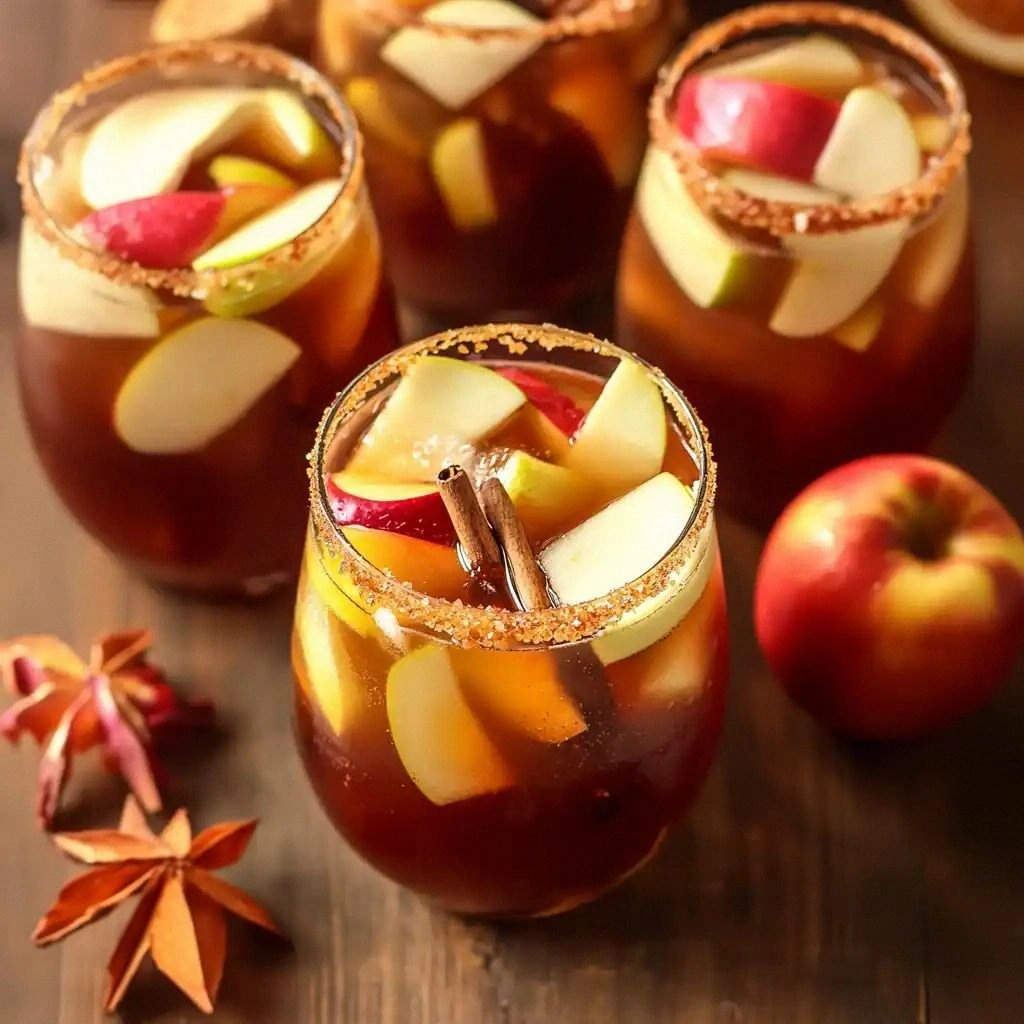
The first thing that hit me was the aroma—cinnamon sticks and star anise releasing a warm, spiced perfume that made the air feel like a cozy cabin. The apple cider, already sweet and tangy, was ready to mingle with the spices, turning the room into a sensory playground. I could hear the gentle hiss of the pot as the cider simmered, and the sound of fruit slapping against the wooden spoon. The colors were vivid: deep amber liquid, bright orange slices, ruby apples, and a splash of pomegranate seeds that looked like tiny jewels. The texture of the fruit was firm yet yielding, promising a bite that would pop with juice.
What made me know this would be a game‑changer was that I was about to replace the usual wine base with apple cider. The result is a drink that feels like a crisp autumn afternoon in a glass. The cider’s natural sweetness cuts through the spices, while the brandy or rum adds a subtle depth that would otherwise be missing. It’s a bold twist that most recipes skip, but here it shines. I dare you to taste this and not go back for seconds.
This version stands out because it’s not just a sangria; it’s a celebration of seasonal fruit, a splash of spice, and a hint of effervescence from sparkling water. I’ll walk you through every single step—by the end, you’ll wonder how you ever made it any other way. Let’s dive in.
What Makes This Version Stand Out
- Bold Flavor: The combination of apple cider, brandy, and spices creates a depth that rivals any classic sangria. The cider’s natural sweetness is amplified by the warm spices, making each sip a layered experience.
- Texture Magic: The fruit retains its bite, providing a satisfying crunch that contrasts with the smooth liquid. The pomegranate seeds add a burst of juicy pop.
- Simple Prep: You only need one bottle of cider, a handful of fruit, and a few spices. No fancy mixers or long marinating times.
- Unique Twist: Most recipes get this completely wrong by using too much wine or neglecting the cider’s natural brightness. I’ve kept the cider front and center, letting it shine.
- Party‑Ready: The drink is easy to scale up or down. It’s perfect for a backyard gathering or a cozy night in.
- Quality Ingredients: Fresh fruit and high‑quality cider make all the difference. The spices are whole, not powdered, for a richer aroma.
- Make‑Ahead Friendly: This sangria can be prepared hours in advance, and the flavors only deepen.
- Effervescence: Adding sparkling water at the last minute gives a lively fizz that elevates the drink.
Alright, let’s break down exactly what goes into this masterpiece…
Inside the Ingredient List
The Flavor Base
The 1 bottle of apple cider is the heart of this sangria. It’s not just a sweet liquid; it’s a flavor foundation that carries the spices and fruit. If you skip the cider, you lose the signature tartness that cuts through the sweetness of the fruit and the richness of the brandy. For an extra zing, choose a cider with a slight effervescence or a hint of apple spice.
The 2 cups of apple cider provide volume and sweetness. They also act as a carrier for the brandy or rum, which adds depth without overpowering the drink. The ratio of cider to alcohol is crucial: too much brandy can drown the fruit, while too little will leave it bland.
The Spice Crew
The 2 cinnamon sticks and 1 star anise bring a warm, aromatic backbone to the sangria. Cinnamon’s sweetness pairs perfectly with apple, while star anise adds a subtle licorice note that elevates the drink’s complexity. If you’re a spice aficionado, add a pinch of cloves or a slice of fresh ginger for an extra kick.
If you’re concerned about the intensity of the spices, let them steep for just 10 minutes before adding the fruit. This allows the flavors to mellow, ensuring a balanced sip every time.
The Unexpected Star
The ¼ cup of brandy or rum is the secret weapon that ties the whole concoction together. Brandy adds a subtle oakiness, while rum brings a hint of tropical sweetness. Either choice works, but brandy gives a more classic sangria feel. If you prefer a lower alcohol content, replace it with a splash of apple juice or a light wine.
Remember, the brandy should be added after the cider has simmered, so it doesn’t evaporate and lose its character. A quick stir is all you need.
The Fruit Ensemble
The 2 medium apples, 1 pear, and 1 orange form the colorful trio that gives this sangria its visual appeal. Apples provide a crisp bite, pears add a buttery texture, and oranges contribute citrus brightness. Slice them into bite‑size pieces to allow maximum flavor extraction.
If you’re in a pinch or looking for a seasonal twist, swap the pear for a peach or a handful of grapes. The key is to keep the fruit firm enough to hold its shape but juicy enough to release flavor.
The Final Flourish
The ¼ cup of pomegranate seeds adds a pop of color and a subtle tartness that cuts through the sweetness. They also provide a delightful textural contrast when you take a bite. If you can’t find pomegranate seeds, try adding a handful of fresh blueberries or raspberries.
Ice cubes and sparkling water are the last two ingredients. Ice cools the sangria to the perfect sipping temperature, while sparkling water adds a gentle fizz that lifts the drink’s overall profile. Add the sparkling water just before serving to keep the bubbles alive.
Everything’s prepped? Good. Let’s get into the real action…
The Method — Step by Step
- Prep the Spices: In a large, heat‑proof pitcher, add the cinnamon sticks, star anise, and a pinch of cloves if you like. Pour the 2 cups of apple cider over them and place the pitcher over medium heat. Let the mixture come to a gentle simmer, allowing the spices to infuse. This step sets the aromatic base; it should smell toasty and inviting. I dare you to inhale the steam—pure spice heaven.
- Introduce the Brandy: Once the cider is simmering, reduce the heat to low and add the ¼ cup of brandy or rum. Stir gently to combine. The brandy’s warmth will mingle with the cider, creating a complex undertone. Keep the heat low to avoid evaporating the alcohol. This is the moment of truth; the liquid should look glossy and fragrant.
- Chop the Fruit: While the base simmers, slice the apples, pear, and orange into thin, bite‑sized wedges. Remove the seeds from the orange and cut the fruit into uniform pieces so they release flavor evenly. The fruit should look bright and fresh, like a rainbow on a glass.
- Combine Fruit and Spices: Add the sliced fruit to the pitcher. The fruit will start to soften and release juices, creating a vibrant, colorful mixture. Stir gently to coat the fruit with the spiced cider. The aroma will intensify, and the liquid will take on a richer hue.
- Add Pomegranate Seeds: Sprinkle the ¼ cup of pomegranate seeds over the fruit. These seeds will add a burst of tartness and a pop of color that makes the sangria look like a jewel box. They also bring a subtle crunch that contrasts with the soft fruit.
- Cool and Chill: Remove the pitcher from the heat and let the sangria cool to room temperature. Once cooled, cover and refrigerate for at least 2 hours, preferably overnight. This resting period allows the flavors to meld and the spices to mellow. The drink should be chilled and ready to serve.
- Prepare the Glasses: Fill each glass with ice cubes, then pour the chilled sangria over the ice. The ice will keep the drink cool and add a refreshing chill that balances the warmth of the spices.
- Finish with Sparkling Water: Just before serving, top each glass with a splash of sparkling water. This adds a lively fizz that lifts the sangria’s overall profile. The bubbles will dance on the surface, creating a visual and sensory delight.
That’s it—you did it. But hold on, I’ve got a few more tricks that’ll take this to another level…
Insider Tricks for Flawless Results
The Temperature Rule Nobody Follows
Many people think the sangria is best served at room temperature, but the real magic happens when it’s chilled to just above freezing. The cold enhances the fruit’s sweetness and the spices’ subtlety. I’ve found that a temperature of 4°C (39°F) is the sweet spot. If you’re in a hurry, place the pitcher in an ice bath for 15 minutes to reach this ideal chill.
Why Your Nose Knows Best
Before you taste the sangria, give it a good sniff. A well‑infused drink will smell like a warm spice shop mixed with fresh orchard fruit. If the aroma feels flat, let it rest longer; the spices need time to release their oils. A strong scent usually translates into a richer flavor profile.
The 5-Minute Rest That Changes Everything
After pouring the sangria into glasses, let it sit for 5 minutes before serving. This short rest allows the flavors to settle and the ice to melt just enough to release the liquid’s full character. The result is a drink that feels cohesive and balanced. A friend once skipped this step, and the sangria tasted like a chaotic cocktail—lesson learned.
Use Whole Spices for Depth
Whole spices like cinnamon sticks and star anise release their flavors slowly, creating a more nuanced profile. If you use ground spices, the drink can become bitter. Stick to whole spices for a cleaner, more aromatic experience.
Add a Splash of Citrus Juice
A tablespoon of fresh lemon or lime juice added during the simmering phase brightens the sangria and balances the sweetness. It also adds a subtle tartness that keeps the drink from becoming cloying. I’ve used lemon juice on a hot summer day, and it was a revelation.
Creative Twists and Variations
This recipe is a playground. Here are some of my favorite ways to switch things up:
Tropical Twist
Replace the brandy with coconut rum and add sliced mango and pineapple. The result is a sunny, beach‑inspired sangria that’s perfect for summer barbecues.
Berry Burst
Swap the apple and pear for a mix of strawberries, blueberries, and blackberries. Use a splash of blueberry juice to deepen the berry flavor. This version feels like a fresh, fruity sunrise.
Herbal Infusion
Add a few sprigs of fresh mint or basil during the simmering phase. The herbs bring a bright, green note that balances the sweetness. It’s a refreshing alternative for those who love a herbaceous kick.
Spiced Cider Punch
Increase the cinnamon sticks to 4 and add a dash of nutmeg. This makes the sangria feel like a warm, spiced punch, ideal for fall gatherings.
Vegan Version
Use a plant‑based brandy alternative, like a vanilla‑infused non‑alcoholic spirit, and keep all fruit and spices. The drink remains aromatic and flavorful while staying vegan.
Sparkling Citrus
Omit the sparkling water and replace it with chilled club soda. The result is a lighter, more refreshing sangria that’s perfect for a brunch.
Storing and Bringing It Back to Life
Fridge Storage
Store the sangria in an airtight glass jar or pitcher in the refrigerator for up to 3 days. The flavors will deepen, and the fruit will soften slightly, adding a delightful texture.
Freezer Friendly
For longer storage, freeze the sangria in a freezer‑safe container for up to 2 weeks. Thaw in the refrigerator overnight before serving. Add a splash of fresh cider to revive any loss of fizz.
Best Reheating Method
If you need to warm the sangria, gently heat it on low, stirring occasionally. Avoid boiling, as this will evaporate the alcohol and alter the flavor. A tiny splash of water before reheating steams the drink back to perfection.